Overview
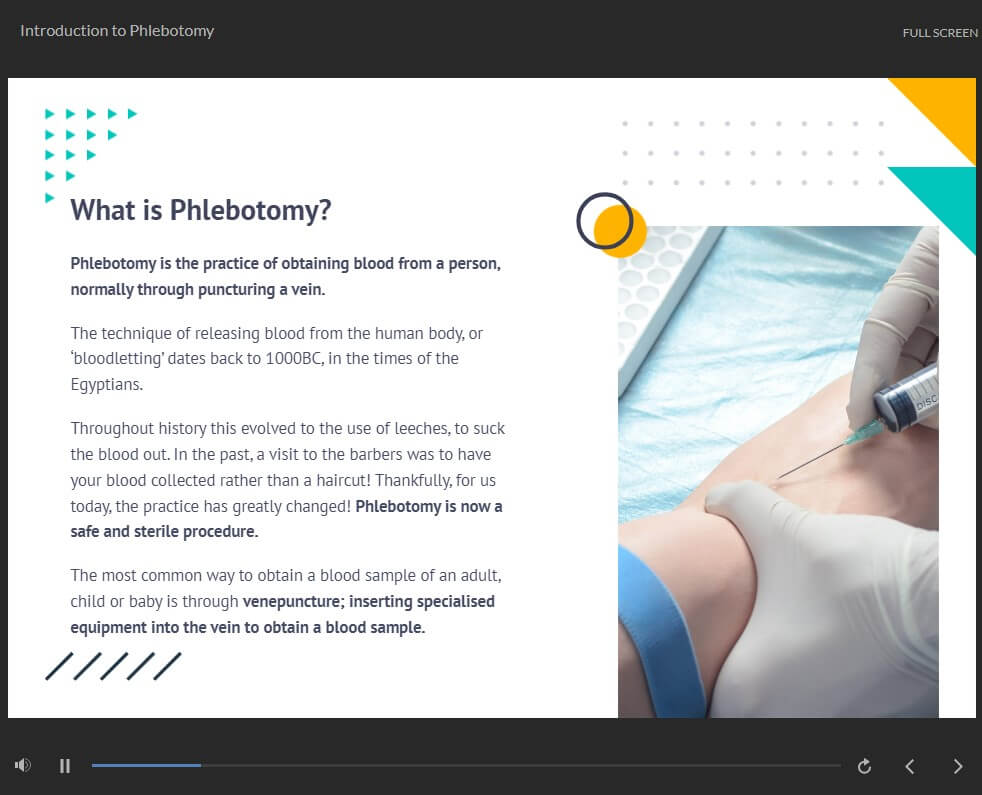
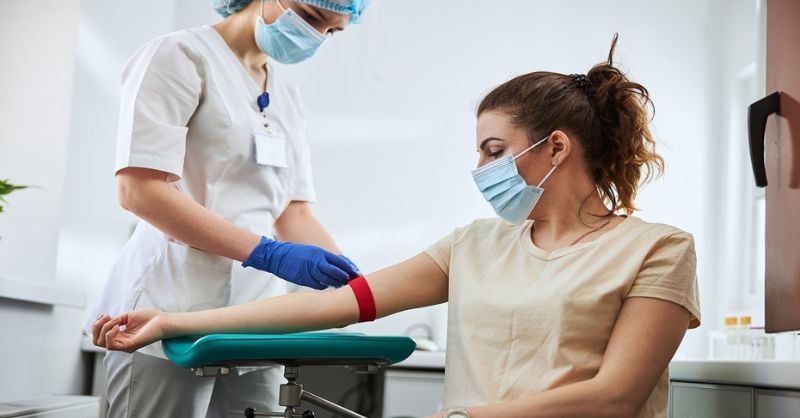
Phlebotomist Training is a course that teaches you how to collect blood safely and correctly in clinical settings. It covers essential venepuncture techniques, patient care skills, infection control procedures, and health and safety practices. This training helps learners build the confidence and knowledge needed to work professionally, ensuring patient comfort while meeting UK clinical standards.
Course Description
This Phlebotomy Training course teaches you the essential skills and safety steps needed to collect blood correctly and with care. You will learn how to identify veins, take blood safely, and support patients in a calm and respectful way.
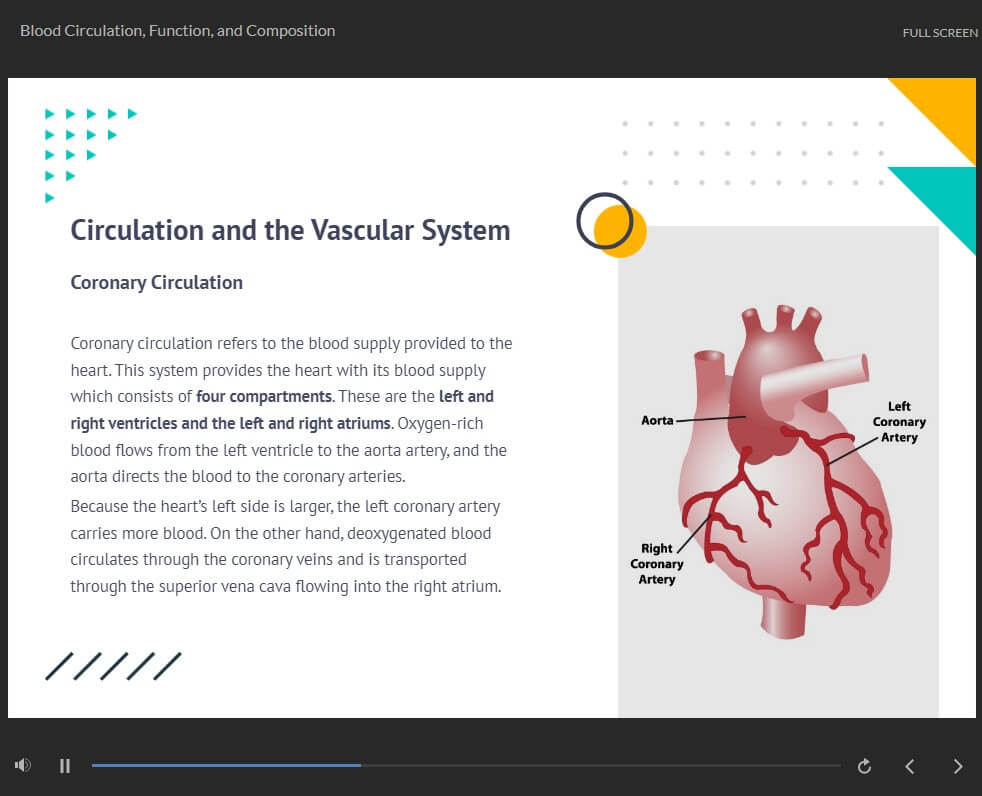
During the course, you will explore how blood circulates in the body, learn to use specialist phlebotomy equipment, and understand how to manage common issues that can occur during blood collection. You will also study advanced dermal puncture techniques, strict infection control measures, and more complex blood collection procedures. This training helps you build the confidence and knowledge needed for real clinical settings.
The course includes clear, structured modules such as Introduction to Phlebotomy, Blood Circulation, Phlebotomy Equipment, Routine Venepuncture, Complications, Dermal Puncture, Quality Management, Special Procedures, and Infection Control. Each module is designed to develop your skills step by step, from basic understanding to advanced clinical practice.
This training is ideal for anyone looking to become a phlebotomy technician or improve their clinical skills. Whether you plan to work in the NHS, a laboratory, or another healthcare environment, this Phlebotomy Training course provides a trusted and practical route towards a successful career in healthcare.
Learning Outcome
- Learn the basics of phlebotomy, including safe blood collection and caring for patients with confidence and compassion.
- Understand how blood circulates in the body and learn how to identify veins for accurate and successful venepuncture.
- Gain confidence in using phlebotomy equipment correctly, with clear guidance on proper use, cleaning, and maintenance.
- Perform routine venepuncture smoothly and precisely, while keeping patient discomfort to a minimum.
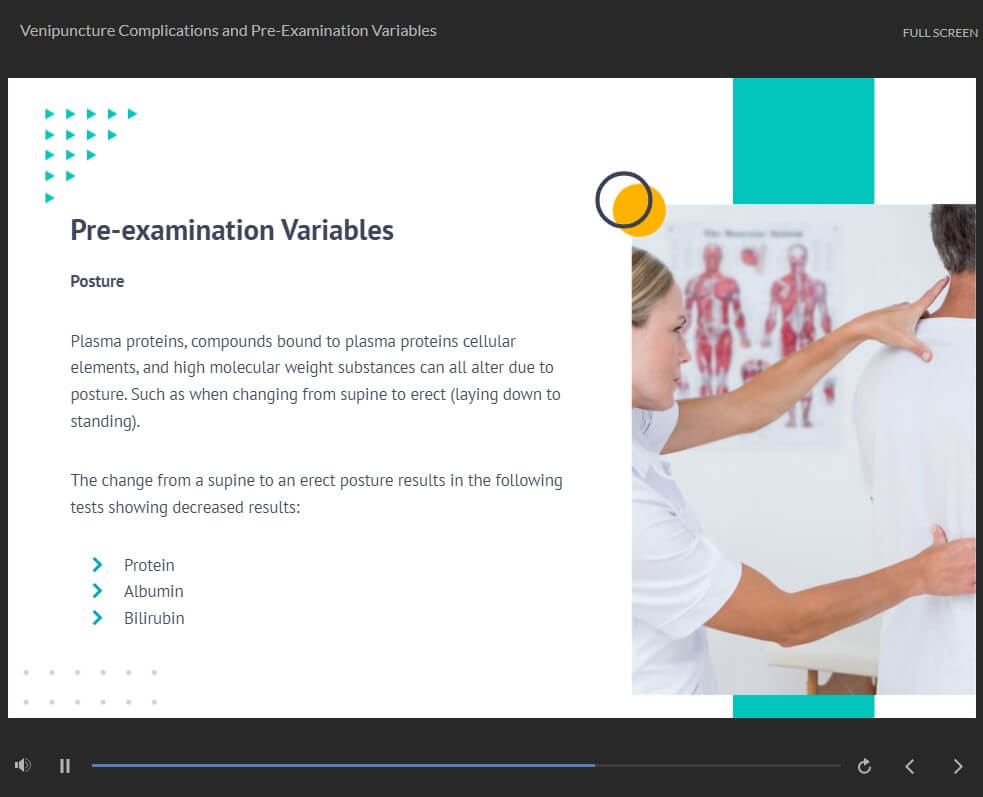
- Recognise common complications such as bruising, fainting, and swelling, and learn how to manage them safely and calmly.
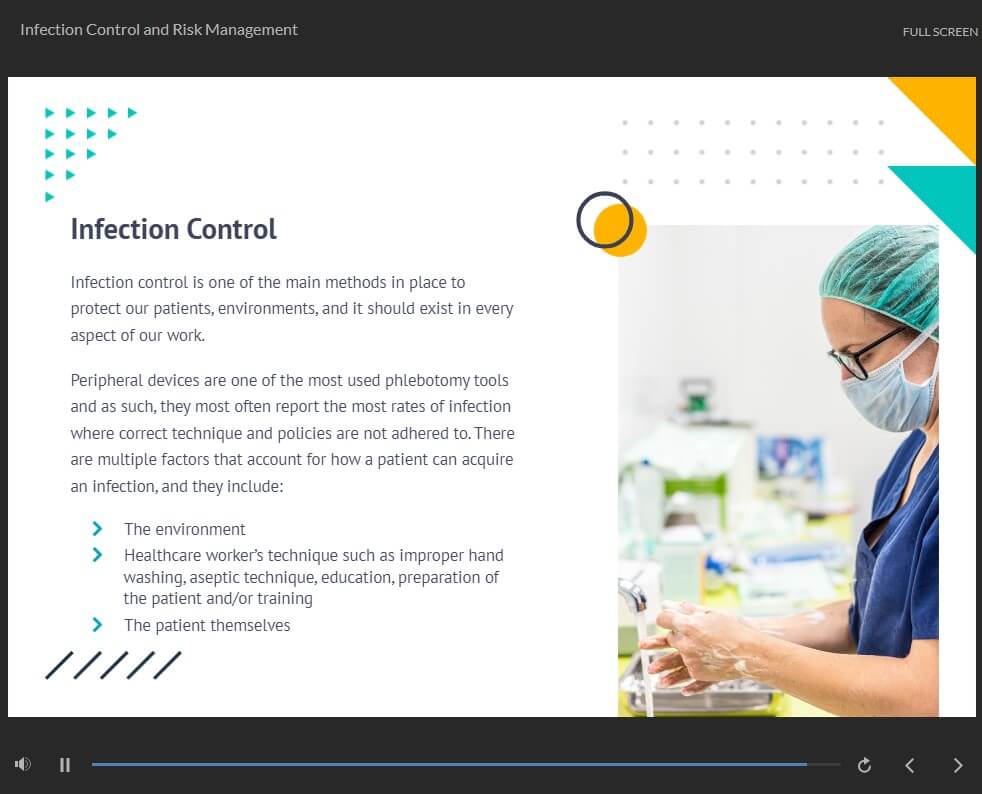
- Follow strict infection control procedures to maintain a clean, safe, and sterile working environment.
Who Is This Course For?
- Learn how blood moves around the body and why it is vital for good health.
- Carry out blood collection safely and correctly, following best practice at all times.
- Gain confidence in performing phlebotomy procedures with care and precision.
- Recognise common complications and respond quickly and effectively.
- Maintain high levels of hygiene to reduce the risk of infection during procedures.
- Deliver quality patient care while meeting professional and ethical standards.
Certificate of Achievement
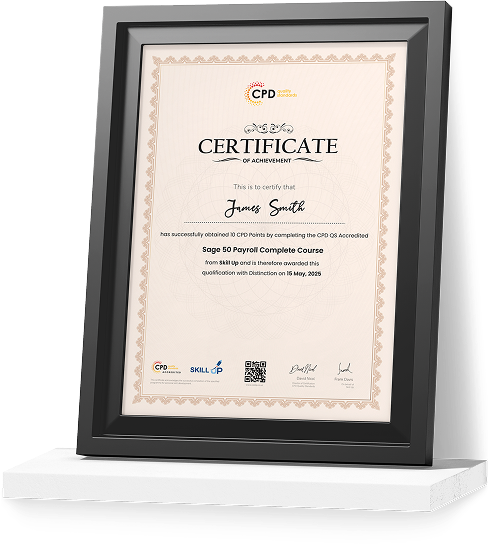
Earn Your Accredited Certificate with Transcript
Save 20% with the coupon code SKILL20
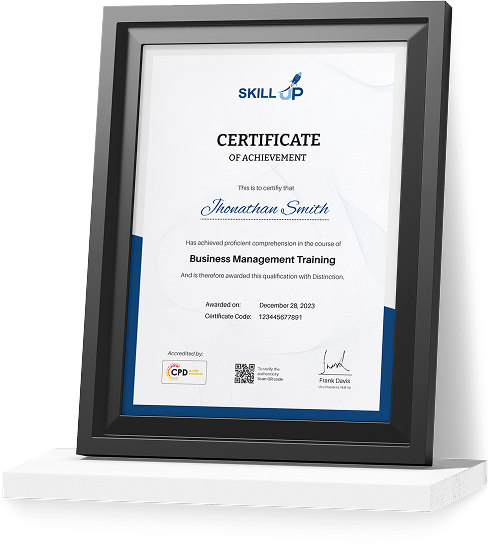
Show Your Certified Identity with a CPD-QS Certificate
Perfect for employers, clients, or academic verification.
Career Path
- Develop a strong understanding of the core concepts in [Course_Title].
- Gain valuable learning experience with exercises.
- Study [Course_Title] to gain an understanding of relevant job roles and associated duties.
- Add useful abilities and expertise to your CV to strengthen it.
- Gain proficiency in critical thinking and problem solving.
Frequestly Asked Questions
Phlebotomy (or venepuncture) is the procedure of taking blood from a vein — usually in the arm — for medical testing, diagnosis, monitoring treatment, or donation purposes. The samples are sent to a lab to assess health markers such as organ function, blood counts, or infection indicators.
Yes. Phlebotomists always use a brand-new sterile needle for each patient and dispose of it immediately after use into a sharps bin to prevent infection and ensure safety.
Sometimes. If your doctor has requested a fasting test, you’ll usually need to avoid food (and anything except plain water) for 10–12 hours before your appointment to ensure accurate results. Your healthcare team will let you know before the test if this applies to you.
A standard blood draw appointment typically takes about 10 minutes. Results are usually processed in the lab and made available to your clinician within a few days to a couple of weeks, depending on the tests requested.
It’s important to inform your phlebotomist if you:
Are allergic to plaster, tape, or adhesives.
Are taking medications (especially blood thinners).
Have had issues with blood draws before (e.g., fainting or hard-to-find veins).
This helps them adjust their technique and materials for your comfort and safety.
Completing this course can open up opportunities in various healthcare roles, such as Medical Coding Specialist, Health Information Technician, and Clinical Documentation Improvement Specialist. The skills acquired are valuable in both NHS and private healthcare settings.
Curriculum
-
Introduction to Phlebotomy
00:17:00
-
Blood Circulation, Function, and Composition
00:28:00
-
Phlebotomy Equipment
00:16:00
-
Routine Venepuncture
00:24:00
-
Venipuncture Complications and Pre-Examination Variables
00:26:00
-
Dermal Puncture
00:14:00
-
Quality Assessment and Management in Phlebotomy
00:19:00
-
Special Blood Collection Procedure
00:15:00
-
Infection Control and Risk Management
00:19:00
-
Feedback
00:01:00
-
Order Your Certificate
Offer Ends in
-
Duration:2 hours, 59 minutes
-
Access:1 Year
-
Units:11

8 Reviews
All
Courses for £49