Overview
Ecology explores relationships between organisms and the environments they occupy, examining how populations, communities and ecosystems interact and change. Through this Ecology Course, learners investigate classification of species, energy cycles within ecosystems, and the balance of natural resources. This field explains behavioural patterns such as migration, competition and habituation across diverse habitats. It also highlights the influence of external pressures like climate change and human activities on ecological stability. With a curriculum covering life’s hierarchy from individual organisms to global biomes, this Ecology Course equips participants with scientific insight essential for analysing environmental patterns and supporting ecosystem conservation efforts.
Course Description
Imagine a world where the web of life’s connections reveals patterns that shape our planet’s future. This Ecology Course invites inquiry into how species co-exist, adapt and influence one another. Beginning with foundational principles, learners survey the order of biodiversity, comparing how distinct life forms occupy niches within complex networks. From microscopic organisms to vast ecosystems, every component holds significance in maintaining environmental equilibrium.
Progressing through core modules, participants examine interactions among organisms and their surroundings, and how fluctuations in climate or resource availability trigger responses across populations. This Ecology Course highlights mechanisms such as competition for sustenance, migration triggered by seasonal shifts and habituation that alters behaviour. Focus on natural resources reveals both their significance and vulnerability when subjected to stressors. Then, attention moves to the human footprint, revealing how urban expansion, pollution and land-use change strain the subtle balance that supports life.
Finally, this course underscores contemporary challenges like climate change and conservation strategies. Students will reflect on how policy, community involvement and scientific research can mitigate detrimental impacts to habitats and species. With clear progression from basic concepts to pressing environmental issues, this Ecology Course provides a comprehensible route to appreciating the science behind ecological relationships, stewardship and sustainability. It is an invitation to think critically and participate in solutions that safeguard our shared world.
Learning Outcome
- Explain biological organisation through structured natural classification systems.
- Analyse ecosystem interactions across terrestrial and aquatic environments.
- Assess resource distribution effects on population behaviour.
- Interpret climate-driven ecological shifts using scientific models.
- Evaluate conservation frameworks addressing environmental challenges.
Who Is This Course For?
- Individuals pursuing environmental research roles
- Learners interested in biodiversity protection
- Policy-focused sustainability planners
- Climate analysis enthusiasts
- Conservation-driven academic candidates
Certificate of Achievement
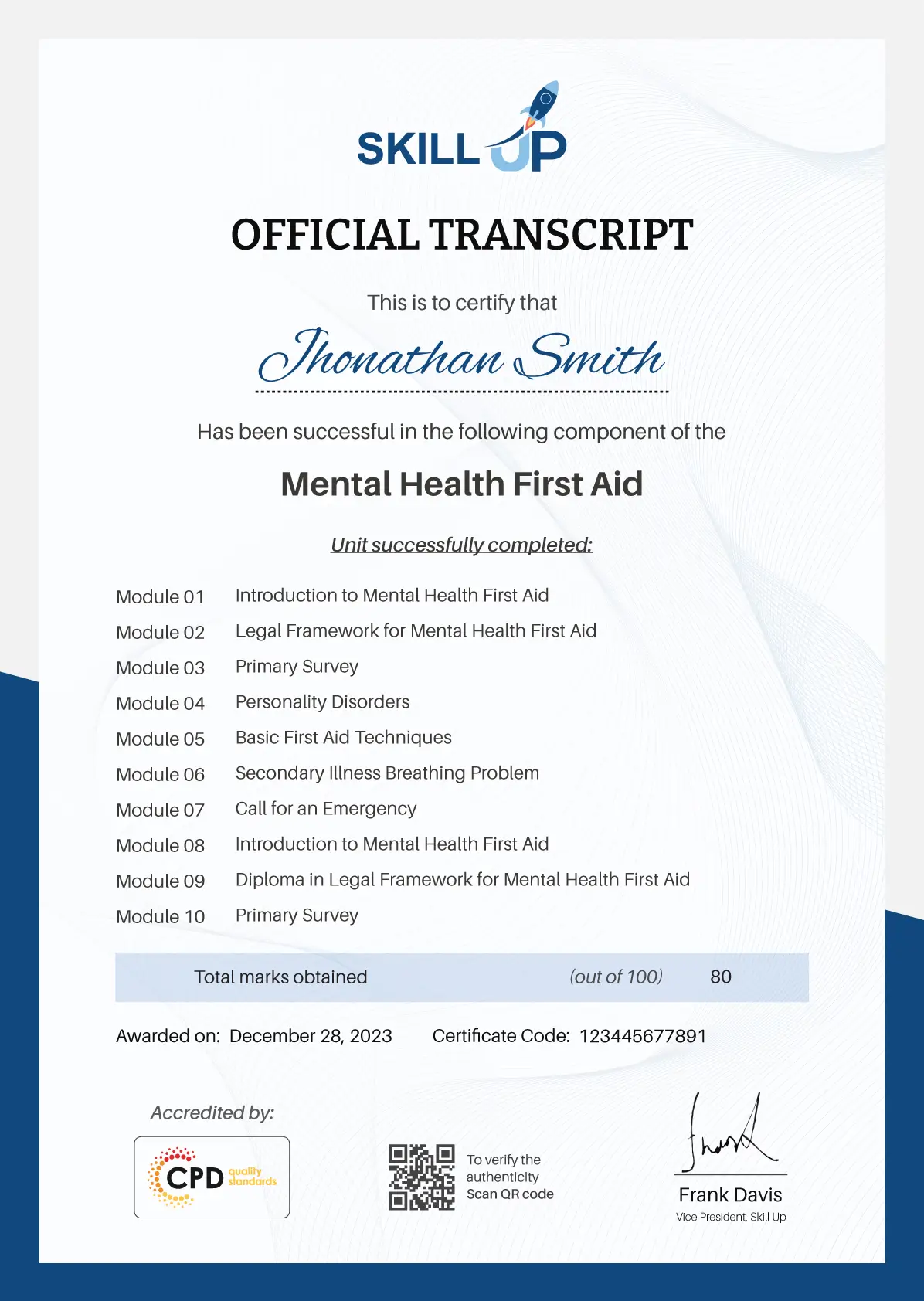
Earn Your Accredited Certificate with Transcript
Save 20% with the coupon code SKILL20
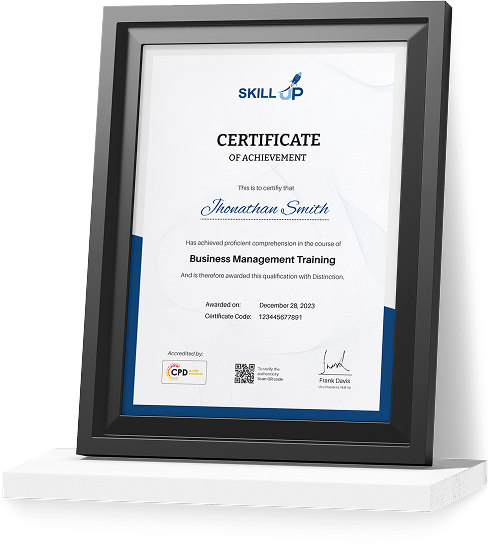
Show Your Certified Identity with a CPD-QS Certificate
Perfect for employers, clients, or academic verification.

Career Path
- Ecologist : Studies species distribution, habitats, and environmental change across regions. Average UK Salary: £42,000–£60,000 per year
- Environmental Policy Advisor : Supports government bodies through research-based environmental recommendations. Average UK Salary: £50,000–£75,000 per year
- Conservation Manager : Oversees wildlife protection projects and habitat restoration initiatives. Average UK Salary: £44,000–£62,000 per year
- Climate Change Analyst : Examines climate data to predict environmental trends and policy impacts. Average UK Salary: £48,000–£70,000 per year
- Sustainability Strategist : Designs long-term environmental strategies for organisations and communities. Average UK Salary: £46,000–£68,000 per year
Frequestly Asked Questions
UK ecology course includes ecosystems, biodiversity, climate impact, and conservation principles aligned with environmental standards.
Yes, ecology online course allows learners to study environmental science alongside work or education commitments.
Graduates progress into environmental consultancy, conservation leadership, climate analysis, and sustainability roles.
Absolutely; ecological knowledge supports environmental legislation, sustainability planning, and climate strategy development.
Yes, ecology course online builds analytical foundations required for wildlife protection and habitat management roles.
Curriculum
-
Introduction to Ecology
00:12:00
-
Ordering the Natural World
00:14:00
-
A Variety of Life
00:10:00
-
Ecosystem
00:12:00
-
Natural Resources
00:12:00
-
Habituation, Migration and Competition
00:10:00
-
Organism in a Changing Environment
00:12:00
-
The Human Factor
00:12:00
-
Climate Change
00:08:00
-
Environmentalism and Conservation
00:12:00
-
Order Your Certificate

Offer Ends in
-
Duration:1 hour, 54 minutes
-
Access:1 Year
-
Units:11

1 Reviews
All
Courses for £49