
The simulator is applied consistently across all modules to reinforce logic concepts.
GET THIS COURSE AND 3000+ OTHERS FOR ONLY £49. FIND OUT MORE
Overview
The PLC Programming Course: Logixpro Simulator introduces structured control logic through ladder diagrams using a virtual environment. It explains PLC behaviour, symbols, scan cycles, timers, counters, and simulated industrial tasks, therefore enabling learners to follow logical sequencing, control flow, and automation concepts aligned with modern manufacturing systems.
Course Description
Modern automation relies on precision, logic, and structured control systems. This plc programming course uk is designed to build conceptual clarity through simulation-based learning using LogixPro. From the earliest modules, learners explore PLC fundamentals, ladder logic symbols, and control components, while gradually progressing towards simulated industrial scenarios. Consequently, this approach supports clarity, consistency, and technical confidence within automation workflows.
As the course progresses, logixpro plc simulation is used extensively to demonstrate start–stop circuits, scan cycles, markers, latching logic, and timing functions. Moreover, multiple batch, door, I/O, and silo simulator tasks ensure learners observe how logic sequences respond to operational conditions. The plc programming course plc ladder programming using logixpro simulator therefore reinforces structured thinking across industrial control scenarios.
Furthermore, advanced sections introduce counters, timers, and multi-stage batch processes through repeated simulator exercises. The plc programming course logixpro simulator online supports analytical problem-solving while reflecting real industrial processes. As a result, learners completing this plc programming pro pathway can confidently interpret automation logic using the logixpro plc simulator program, while aligning knowledge with employer expectations across the UK automation sector. This plc programming course logixpro simulator emphasises accuracy, logic sequencing, and system behaviour interpretation throughout.
Learning Outcome
- Apply ladder logic structures using LogixPro simulation environments
- Interpret PLC scan cycles, markers, timers, and counters accurately
- Construct control logic for batch, door, I/O, and silo operations
- Analyse automation sequences through simulated industrial tasks
- Evaluate PLC-based control strategies for operational efficiency
Who Is This Course For?
- Automation engineering learners seeking PLC logic knowledge
- Electrical technicians transitioning into control systems
- Manufacturing personnel supporting automated production
- Engineering students pursuing industrial automation careers
- Technical learners aiming for UK automation roles
Certificate of Achievement
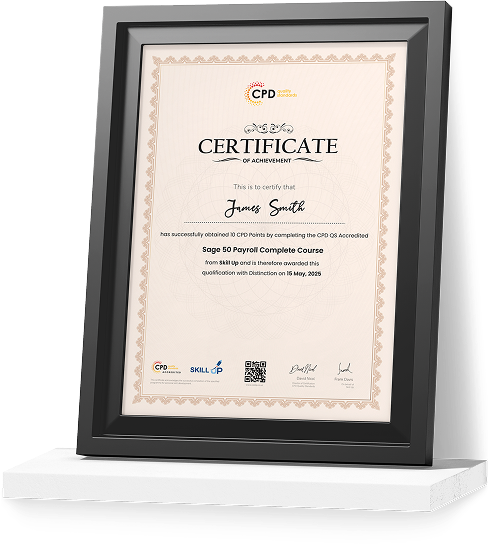
Earn Your Accredited Certificate with Transcript
Save 20% with the coupon code SKILL20
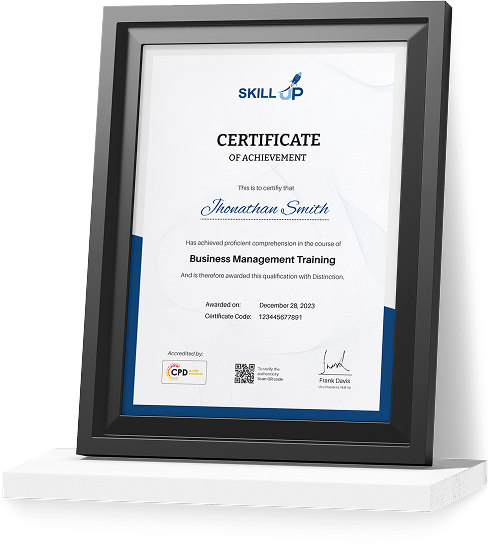
Show Your Certified Identity with a CPD-QS Certificate
Perfect for employers, clients, or academic verification.
Career Path
- PLC Programmer – Develops ladder logic programs for automated systems. Average UK Salary: £45,000–£60,000.
- Automation Engineer – Designs and maintains industrial automation solutions. Average UK Salary: £48,000–£65,000.
- Control Systems Engineer – Oversees PLC-based control architecture. Average UK Salary: £50,000–£70,000.
- Industrial Automation Consultant – Advises on PLC integration strategies. Average UK Salary: £55,000–£75,000.
- Maintenance Automation Engineer – Supports PLC-controlled machinery reliability. Average UK Salary: £42,000–£58,000.
Frequently Asked Questions
Yes, the structure starts with PLC basics before progressing into simulator-based control logic.
Yes, multiple batch, I/O, door, and silo simulations are included throughout.
Yes, ladder diagrams, symbols, and sequencing are explained progressively.
Yes, content aligns with UK automation and manufacturing requirements.
Curriculum
-
Module 1- Course Content
00:02:00
-
Module 2- What is LogixPro
00:04:00
-
Module 3- Overview on PLC
00:34:00
-
Module 4- Important Symbols
00:05:00
-
Module 5- Normally Opened, Normally Closed and Output Coils in Ladder Diagram
00:14:00
-
Module 6- Start Stop Circuit
00:17:00
-
Module 7- Task 1 in Batch Simulator
00:12:00
-
Module 8- Task 2 in Batch Simulator
00:12:00
-
Module 9- Task 1 in Door Simulator
00:13:00
-
Module 10- Scan Cycle and Markers
00:10:00
-
Module 11- Task 3 in Batch Simulator Part 1
00:14:00
-
Module 12- Task 3 in Batch Simulator Part 2
00:11:00
-
Module 13- Task 4 in Batch Simulator Part 1
00:13:00
-
Module 14- Task 4 in Batch Simulator Part 2
00:09:00
-
Module 15- Latched and Unlatched Output in Ladder Diagram
00:06:00
-
Module 16- Task 5 in Batch Simulatorc
00:15:00
-
Module 17- Task 6 in Batch Simulator Part 1
00:13:00
-
Module 18- Task 6 in Batch Simulator Part 2
00:12:00
-
Module 19- Timers in PLC
00:12:00
-
Module 20- Task 2 in Io Simulator
00:08:00
-
Module 21- Task 3 in Io Simulator
00:09:00
-
Module 22- Task 4 in Io Simulator
00:08:00
-
Module 23- Task 7 in Batch Simulator Part 1
00:27:00
-
Module 24- Task 7 in Batch Simulator Part 2
00:06:00
-
Module 25- Task 5 in Io Simulator
00:15:00
-
Module 26- Counters in PLC
00:05:00
-
Module 27- Task 1 in Silo Simulator
00:23:00
-
Module 28- Task 6 in Io Simulator
00:09:00
-
Module 29- Task 7 in Io Simulator
00:09:00
-
Module 30- Task 2 in Door Simulator
00:12:00
-
Module 31- Task 8 in Batch Simulator Part 1
00:25:00
-
Module 32- Task 8 in Batch Simulator Part 2
00:11:00
-
Get Your CPD Certificate
00:01:00

Save 92% - Grab Now!
Offer Ends in
This course includes:
-
Duration:6 hours, 36 minutes
-
Access:1 Year
-
Units:33

2 Reviews
All
Courses for £49