Overview: Addiction Psychology and Therapy Course
The Addiction Psychology and Therapy course introduces the psychological, social, and behavioural factors that influence addiction and recovery. Addiction affects individuals, families, workplaces, and communities, making it an important subject within psychology, counselling, and public health education. This training explains how addiction develops, the theories used to explain addictive behaviour, and the treatment approaches applied in modern therapy and support systems.
➽  Learn the main psychological and social theories that explain addictive behaviour, including moral, psychological, and socio-cultural models.
➽  Explore different addiction treatment approaches such as pharmacotherapy, counselling methods, and the Minnesota treatment model.
 Study harm reduction strategies and the role of therapy programmes used to support recovery.
➽   Examine how addiction affects society, including legislation, public health education, and workplace-related substance issues.
➽   Understand the impact of addiction on families, including codependency, parenting influences, and family dynamics.
➽   Review the role of counsellors and support workers involved in addiction recovery services.
This course explains how addiction is analysed within psychology and how treatment systems are organised to support individuals and families affected by substance use and behavioural dependency.
What Is Addiction Psychology and Therapy Course?
The Addiction Psychology and Therapy course focuses on the psychological foundations of addiction and the therapeutic approaches used to support recovery. It explains how addiction develops through behavioural, emotional, and social influences while also examining the models used by psychologists and treatment providers.
This training begins with an introduction to major addiction theories. Learners study the moral model, psychological explanations, and socio-cultural influences that shape addictive behaviours. These models help explain why individuals develop dependency patterns and how environmental factors contribute to substance use problems.
The programme also introduces treatment methods applied in addiction recovery. Participants examine pharmacotherapy, counselling strategies, harm reduction approaches, and rehabilitation models such as the Minnesota treatment system. These approaches explain how therapy programmes support individuals throughout the recovery process.
By completing this course, learners develop knowledge of addiction psychology, therapy approaches, and the social systems involved in addiction prevention, treatment, and recovery support.
Description: Comprehensive Addiction Psychology and Therapy Training
The Addiction Psychology and Therapy course begins with an introduction to addiction theories. Learners examine the moral model, psychological explanations, and socio-cultural influences that contribute to addictive behaviour. These theories provide a framework for analysing how addiction develops and how different factors influence dependency patterns.
The course then introduces the main treatment approaches used in addiction recovery programmes. Learners study pharmacotherapy and how medication can support treatment, as well as the Minnesota model, counselling techniques, and therapy strategies used by addiction support services. The programme also explains the harm reduction approach and how treatment providers balance recovery goals with risk reduction strategies.
Further modules explore the role of addiction within society. Learners review drug policies, legislation, and the debate surrounding decriminalisation. The training also examines alcohol and drug education programmes, community outreach initiatives, and the impact of substance misuse within workplace environments.
The course also addresses addiction within family systems. Learners study codependency, the experiences of children growing up in alcohol-affected households, parenting influences, and family relationship patterns. Topics such as relapse management, support organisations, and intervention approaches are discussed to highlight how families participate in recovery support.
The final section focuses on working within addiction support roles. Learners examine the motivations for becoming a helper, the attitudes required in counselling roles, and the communication techniques used in addiction support services. This structured training explains how psychological knowledge supports therapy programmes designed to address addiction challenges.
Learning Outcomes – Addiction Psychology and Therapy Course
- Understand major psychological and social theories that explain addiction
- Identify the moral, psychological, and socio-cultural models of addiction
- Recognise the treatment methods used in addiction recovery programmes
- Understand pharmacotherapy and therapy-based addiction treatment approaches
- Explain harm reduction strategies used in addiction support systems
- Identify the role of drug policies, legislation, and education programmes in society
- Recognise the impact of addiction on families and family relationships
Who Is This Course For?
- Students interested in psychology, counselling, and behavioural health education.
- Individuals interested in addiction recovery support and therapy systems.
- Community workers involved in drug education or public health outreach programmes.
- Professionals working in social support services and behavioural health environments.
- Learners seeking structured training in addiction psychology and therapy approaches.
Why Enrol in This Addiction Psychology and Therapy Course?
Addiction is a complex issue influenced by psychological, social, and environmental factors. Education in addiction psychology helps individuals understand the causes of dependency and the systems used to support recovery.
This course explains how addiction theories are applied in therapy and recovery programmes. It also highlights how treatment models such as counselling, pharmacotherapy, and harm reduction operate within modern support services.
Knowledge of addiction psychology also supports community awareness initiatives, workplace health programmes, and family support services. Many organisations rely on trained individuals who understand addiction behaviour and recovery systems.
Completing this course supports learning in psychology, behavioural health education, counselling theory, and addiction treatment systems.
Addiction Psychology and Therapy Course Career Path
Knowledge of addiction psychology and therapy systems supports several roles within counselling, social services, and behavioural health support.
Typical career pathways include:
➽  Addiction Support Worker — £24,000–£32,000
Provides assistance to individuals participating in addiction recovery programmes.
➽  Substance Misuse Practitioner — £28,000–£38,000
Supports treatment services that address alcohol and drug dependency issues.
➽  Behavioural Health Support Worker — £25,000–£35,000
Works with organisations that provide mental health and addiction recovery services.
➽  Community Outreach Worker — £24,000–£34,000
Supports drug education programmes and community health initiatives.
➽  Rehabilitation Support Assistant — £23,000–£30,000
Assists therapy programmes within rehabilitation centres and recovery facilities.
➽  Family Support Worker — £26,000–£36,000
Helps families affected by addiction through counselling guidance and social support.
Professionals with education in addiction psychology can continue learning in counselling training, social work programmes, and behavioural health support roles.
Enrol Today – Build Knowledge in Addiction Psychology and Therapy
By enrolling in this Addiction Psychology and Therapy course, you begin developing structured knowledge of how addiction develops and how therapy programmes support recovery.
Addiction affects individuals, families, and communities worldwide. Education in addiction psychology helps support prevention, treatment, and recovery systems designed to reduce the social impact of substance misuse.
Start building knowledge that supports counselling education, behavioural health awareness, and addiction recovery support services.
Certificate of Achievement
Upon successfully completing this Addiction Psychology and Therapy course, learners will receive an Accredited Certificate confirming their knowledge of addiction psychology theories, treatment approaches, and therapy support systems.
We provide two recognised certificate options:
CPD-QS Certificate
Learners can obtain a certificate accredited by CPD Quality Standards (CPD-QS). This accreditation confirms that the course meets recognised Continuing Professional Development standards and supports professional development in psychology, counselling education, and behavioural health training.
SKILL UP Brand Recognised Certificate
Learners will also receive a SKILL UP Certificate of Completion. This certificate verifies that you have successfully completed the training and achieved the learning outcomes related to addiction theories, treatment models, counselling methods, and support systems.
Both certificates demonstrate knowledge of addiction psychology principles and therapy approaches used in recovery support programmes.
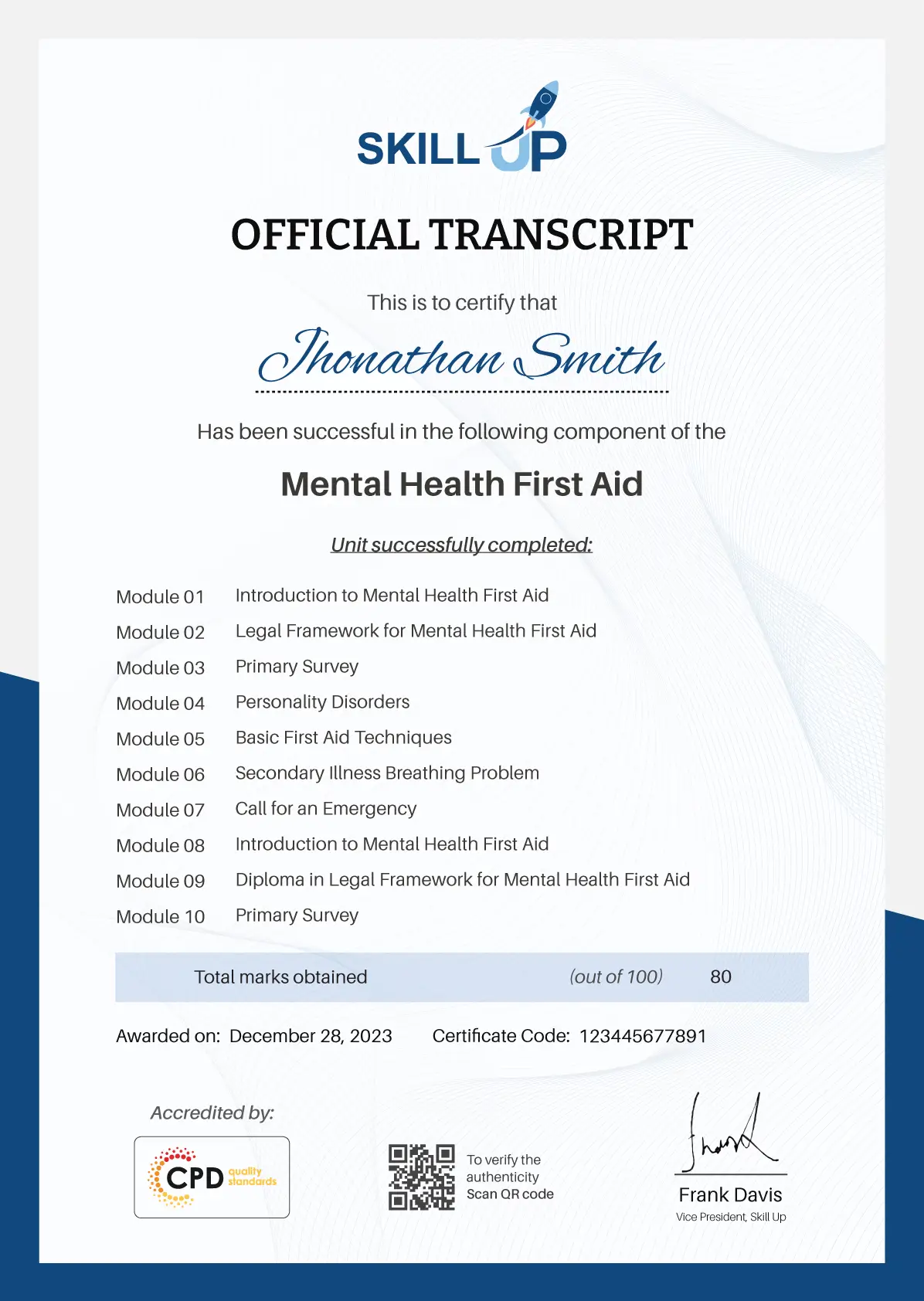
Earn Your Accredited Certificate with Transcript
Save 20% with the coupon code SKILL20
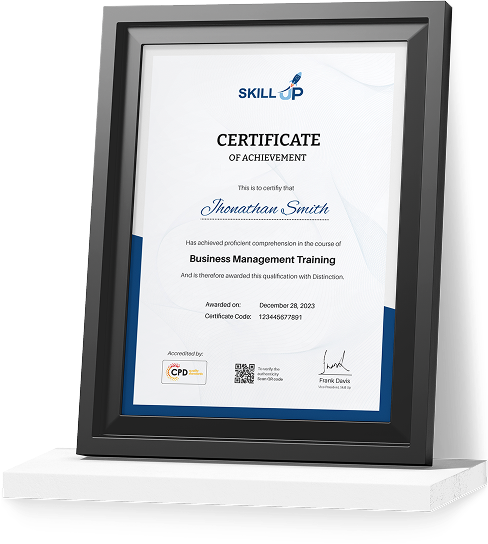
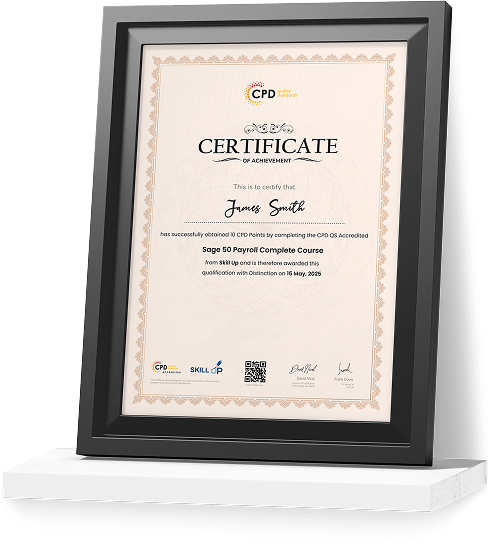
Show Your Certified Identity with a CPD-QS Certificate
Perfect for employers, clients, or academic verification.
Frequently Asked Questions
The course is delivered online and self-paced, allowing learners to complete the training within approximately 4–6 weeks.
No prior background is required. The course introduces addiction psychology theories and therapy approaches in a structured format.
Yes, learners receive a recognised certificate confirming completion of the addiction psychology and therapy training.
Yes, the programme explains several treatment approaches including pharmacotherapy, counselling methods, and harm reduction models.
Yes, the course supports roles in community outreach, behavioural health support, and addiction recovery services.
Yes, the programme examines family dynamics, codependency, relapse management, and intervention approaches related to addiction.
Addiction Psychology and Therapy Course Reviews
Excellent
98%
Would Recommend70
Certified Learners100%
Authentic Reviews
A well-organised and highly valuable course with clear, easy-to-understand guidance throughout. I’ve gained knowledge that’s directly relevant to my day-to-day responsibilities. It’s given me greater confidence in applying these skills professionally.
Engaging content delivered in a straightforward and structured format. The examples were realistic and helped reinforce key concepts effectively. I would certainly recommend it to colleagues looking to upskill
Comprehensive, insightful and professionally presented from start to finish. The course materials were clear and well supported. A worthwhile investment for anyone serious about career development
Curriculum
-
Introduction: About instructor & the course
00:02:00
-
The Moral Model
00:06:00
-
The Psychological Model
00:07:00
-
The Psychological Model
00:09:00
-
The Socio-Cultural Model
00:05:00
-
Pharmacotherapy
00:03:00
-
The Minnesota Model
00:04:00
-
Counselling and Therapy
00:07:00
-
Harm Reduction Model
00:05:00
-
Treatments in Practice
00:05:00
-
Drug policies, Legislation and Decriminalisation
00:09:00
-
Community change, Outreach, Harm Reduction or Abstinence
00:06:00
-
Alcohol and Drug education
00:06:00
-
Alcohol- and drug related issues in the workplace
00:05:00
-
Codependency, Children of alcoholic families, parenting styles, family factors
00:08:00
-
Relapse for families, ‘letting go’, dependent attitudes and dependent behaviours
00:05:00
-
Al-Anon
00:05:00
-
The Intervention Approach
00:05:00
-
Why be a ‘helper’
00:03:00
-
‘Helper’ qualities and attitudes
00:04:00
-
Counselling / ‘helping’ skills
00:04:00
Offer Ends in
-
Duration:1 hour, 53 minutes
-
Access:1 Year
-
Units:21

3 Reviews

TAKE ALL COURSES FOR £99