Overview
Certificate in Cognitive Behavioural Therapy at QLS Level 3 | CPD Accredited
Certificate in Cognitive Behavioural Therapy at QLS Level 3. Develop knowledge of CBT models, therapeutic principles, eating disorders, assessment, anxiety, and behavioural techniques.
Explore how cognitive behavioural therapy examines the links between thoughts, emotions and behaviour, starting with the CBT model, NICE guidelines and the therapeutic alliance. The curriculum then moves into the psychology of eating disorders, covering categorisation, core psychopathology, co-morbid psychiatric illness, and the cognitive, emotional, social and family factors that can shape these conditions.
The learning sequence covers:Â
✓ The CBT model, NICE guidelines, trust, empathy and therapy ethics
✓ Eating disorder categorisation, psychopathology and contributing factors
✓ First-session assessment, dietary issues, goal setting and motivation
✓ Anxiety work, Socratic questioning, psychoeducation, exposure and behavioural experiments
The later sections bring these areas together through action planning, reviewing progress, concluding therapy and relapse prevention. This Cognitive Behavioural Therapy Course Online therefore follows a defined learning sequence from CBT principles and psychological factors through to assessment, therapeutic techniques and follow-up.
Course Description
The curriculum moves from the CBT model and therapeutic principles into the psychological factors linked to eating disorders, before progressing to assessment, goal setting and CBT techniques. You will examine how cognitive, emotional, social and family factors relate to eating disorders, then explore anxiety, Socratic questioning, psychoeducation, exposure and behavioural experiments.
Key learning areas covered in this Cognitive Behavioural Therapy Course include:
✓ The CBT model, NICE guidelines, therapeutic alliance, trust, empathy and ethical principles of therapy.
✓ Eating disorder categorisations and core psychopathology, followed by co-morbid psychiatric illness and the role of social, family, cognitive and emotional factors.
✓ First-session assessment, dietary and nutritional issues, client goal setting and motivational factors.
✓ CBT techniques for anxiety, including the Socratic approach, psychoeducation, exposure and behavioural experiments.
✓ Beliefs relating to shape, weight and food, examining these areas within the CBT approach to eating disorders.
✓ Designing and reviewing action plans, concluding therapy, follow-up and relapse prevention.
✓ Course resources, assessment and certification, completing the learning sequence from CBT principles through to reviewing and wrapping up therapy.
The curriculum therefore moves from the CBT model and therapeutic principles into specific psychological factors, assessment and planning, before examining techniques used in CBT and the later stages of therapy. This cognitive behavioural therapy online training keeps the learning focused on the actual subject areas covered, including eating disorders, anxiety, therapeutic communication, behavioural experiments and relapse prevention
Note: Skill-up is a Janets-approved resale partner for Quality Licence Scheme Endorsed courses.
Key Benefits of This Course
When evaluating cognitive behavioural therapy courses, the real value lies in how effectively they strengthen understanding, confidence and real-world relevance.
- Develop a structured understanding of CBT and how it supports mental health and behavioural change.
- Strengthen your CV with a CBT course with certificate that supports professional development in healthcare, education and support roles.
- Gain insight into anxiety, behavioural patterns and emotional responses.
- Understand how assessment, goal setting and planning contribute to better outcomes.
- Learn how CBT techniques such as exposure and behavioural experiments are applied, while developing practical CBT skills training through the course content.
- Build confidence in communication, empathy and understanding of individual behaviour.
- Study through flexible online CBT training designed for career and personal development.
As a result, this course helps you move from general awareness to a more confident and structured understanding of CBT.
Learning Outcome
By the end of this psychology and CBT course, you will be able to:
- Understand how Cognitive Behavioural Therapy models explain behaviour and thinking patterns.
- Analyse how thoughts, emotions and behaviours interact in mental health contexts.
- Develop structured approaches to assessment, goal setting and planning.
- Apply CBT techniques such as Socratic questioning and exposure methods.
- Evaluate behavioural patterns and their impact on emotional wellbeing.
- Demonstrate knowledge of ethical practice and therapeutic communication.
- Implement CBT-informed approaches in support, care or personal contexts.
Who Is This Course For?
- Support workers who want to better understand behaviour and emotional wellbeing in care settings.
- Healthcare professionals seeking cognitive behavioural therapy online training for skill development and further professional learning.
- Teachers and education staff supporting student mental health and behaviour.
- Students interested in psychology, counselling or mental health pathways.
- Career changers looking to move into mental health or wellbeing roles.
- Individuals exploring a CBT for anxiety course for personal development.
- Learners seeking CBT training courses to develop foundational knowledge before progressing to further CBT therapist training.
Certificate of Achievement
Quality Licence Scheme Endorsed CertificateÂ
Upon completing the final assessment, you can apply for the Quality Licence Scheme Endorsed Certificate of Achievement. Endorsed certificates can be ordered and delivered to your home by post for only £79.
Order Your QLS CertificateÂ
An extra £10 postage charge will be required for students living overseas.Â
Skill Up Recognised Certificate
Upon successful completion of the CBT (Cognitive Behavioural Therapy) course, you have the opportunity to request a Skill Up Recognised Certificate. This certificate holds significant value, and its validation will endure throughout your lifetime.
- 1. PDF Certificate + PDF Transcript: £14.99
- 2. Hardcopy Certificate + Hardcopy Transcript: £19.99
- 3. Delivery Charge: £10.00 (Applicable for International Students)
CPD Quality Standards Accredited Certificate
After successfully completing the CBT (Cognitive Behavioural Therapy) course, you can apply for the CPD Quality Standards Accredited Certificate of Achievement.Â
1. PDF Certificate: £25.00
2. Hardcopy Certificate: £35.00
3. Delivery Charge: £10.00 (Applicable for International Students)
Earn Your Accredited Certificate with Transcript
Save 20% with the coupon code SKILL20
Show Your Certified Identity with a CPD-QS Certificate
Perfect for employers, clients, or academic verification.
Get a QLS Certificate to Showcase Your Skills
Detailed record of your completed modules and qualifications.
Career Path
CBT knowledge can support care, education, wellbeing and mental health support roles. However, salaries vary by employer, location, experience and required qualifications.
- Mental Health Support Worker: £20,000–£30,000 per year.|Mental Health Support Workers provide emotional and behavioural support in care or community settings. Therefore, CBT knowledge can improve understanding of client behaviour.
- Counselling Assistant: £22,000–£32,000 per year.|Counselling Assistants support therapy settings while building knowledge of therapeutic approaches. As a result, this course can support early awareness of CBT principles.
- Wellbeing Practitioner: £25,000–£38,000 per year.|Wellbeing Practitioners support mental health and wellbeing in workplaces or community programmes. In addition, CBT awareness can support structured wellbeing conversations.
- Teaching Assistant Pastoral Support: £19,000–£28,000 per year.|Pastoral support staff help students with emotional and behavioural needs. Therefore, CBT knowledge can support better understanding of thinking patterns and coping strategies.
- Healthcare Assistant: £20,000–£28,000 per year.|Healthcare Assistants support patient wellbeing and communication in care or hospital settings. CBT awareness can help with empathy and behaviour-focused support.
- HR or Wellbeing Coordinator: £25,000–£40,000 per year.|These roles support employee wellbeing and mental health awareness. As a result, CBT-informed knowledge can strengthen workplace wellbeing support.
- Progression into Counselling or Therapy Roles: This course can support further study. However, regulated counselling or therapy roles require recognised training and supervised practice.
Frequently Asked Questions
This Cognitive Behavioural Therapy Course Online UK is suitable for beginners, support workers, healthcare staff, teachers and learners interested in mental health. It provides a structured introduction to CBT for those looking to develop knowledge for care, education, wellbeing or further study.
Some advanced CBT training courses are accredited by organisations such as BABCP. However, this CBT course online UK focuses on foundational knowledge for professional development or preparation for further study. Learners interested in CBT certification courses should check the accreditation, entry requirements and supervised-practice requirements of the specific programme.
This CBT course with certificate provides essential CBT knowledge. However, becoming a qualified CBT therapist in the UK usually requires further accredited training and supervised clinical experience. Learners considering CBT practitioner training or a pathway towards professional CBT practice should investigate the appropriate recognised qualifications and clinical requirements.
Cognitive behavioural therapy training usually covers the CBT model, therapeutic principles, behavioural patterns, assessment methods and techniques such as exposure and cognitive restructuring. Depending on the programme, CBT therapist training can also involve supervised practice and more advanced clinical development. This course introduces the foundational areas clearly.
Yes. CBT courses online provide a flexible way to develop knowledge alongside work, study or personal commitments. This online CBT training introduces the CBT model, therapeutic principles, assessment approaches and practical techniques without requiring learners to attend traditional classroom sessions.
Yes. Cognitive behavioural therapy concepts can support healthcare, education, social care, workplace wellbeing and everyday communication. Understanding cognitive therapy and behavioural approaches can help learners recognise patterns in thinking and behaviour across wider personal and professional contexts.
CBT (Cognitive Behavioural Therapy) Reviews
Excellent
98%
Would Recommend567
Certified Learners100%
Authentic ReviewsReally clear CBT introduction. Helped me understand thought patterns in my support work. Highly recommended.
Very useful for my teaching role. I feel more confident supporting student wellbeing now.
Excellent course for beginners. The examples made CBT concepts easy to understand.
Curriculum
-
About the Tutor
00:01:00
-
About the Course
00:02:00
-
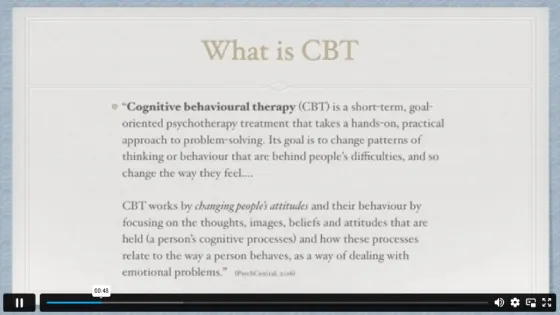
What is CBT (the CBT model)
00:06:00
-
NICE guidelines
00:04:00
-
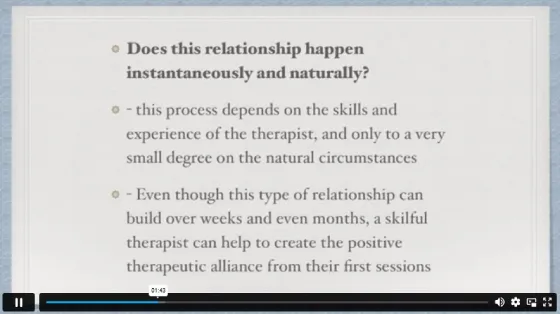
The therapeutic alliance, Trust and Empathy
00:07:00
-
Ethics of the therapy
00:05:00
-
Eating disorders: Categorisations
00:07:00
-
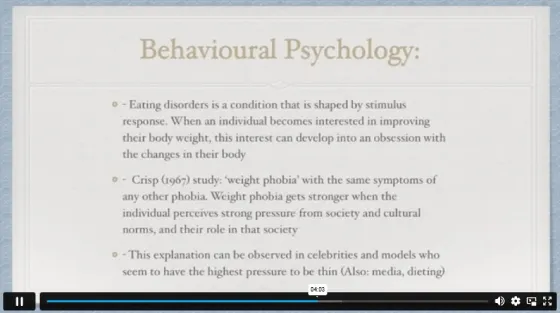
Core Psychopathology of Eating Disorders
00:07:00
-
Co-morbid psychiatric illness
00:07:00
-
Social and Family factors
00:08:00
-
Cognitive factors
00:07:00
-
Emotional factors
00:09:00
-
First session – Assessment
00:08:00
-
Dietary and Nutritional issues
00:06:00
-
Setting Goals with the client
00:07:00
-
Motivational factors
00:07:00
-
Working with Anxiety
00:05:00
-
The Socratic approach (Socratic questioning)
00:06:00
-
Psychoeducation
00:04:00
-
The ‘Exposure’ technique
00:07:00
-
Working with Beliefs (shape, weight, food)
00:07:00
-
Behavioural Experiments
00:07:00
-
Designing and Reviewing Action plans
00:06:00
-
Concluding therapy successfully
00:04:00
-
Follow up and Relapse Prevention
00:05:00
-
Thank You and Good Bye!
00:04:00
-
Resources – Cognitive Behavioural Therapy (CBT)
-
Submit Your Assignment & Order QLS Certificate
-
Skill Up Recognised Certificate
-
Order CPDQS Certificate

-
Feedback
00:01:00
Offer Ends in
-
Duration:2 hours, 34 minutes
-
Access:1 Year
-
Units:31

7 Reviews

TAKE ALL COURSES FOR £99