Electronic & Electrical Devices - Maintenance & Troubleshooting
Modern industries depend on efficient systems, where even minor faults can disrupt operations. This Electrical maintenance course UK introduces clear, structured methods to maintain performance, starting with core principles and progressing to electrical repair, testing, and fault identification. Learners explore essential tools, components, and diagnostic approaches used in real working environments, supporting those aiming for roles such as an electrical technician or career growth within electrical engineering. In addition, the programme combines electronics maintenance training with electronic devices, creating a balanced mix of theory and application. It also reflects current industry expectations through a recognised CPD electrical course UK framework, helping learners build confidence in resolving issues, improving system reliability, and applying effective troubleshooting techniques across various sectors in the UK.
Course Description
Reliable systems are the backbone of every modern workplace; however, faults can arise at any moment. Therefore, this Electrical maintenance course UK is designed to prepare learners for diagnosing and resolving issues efficiently. Throughout the programme, topics such as electrical repair, electrical troubleshooting methods, and electrical fault finding are explored in a structured and engaging format.
In addition, the course integrates electronic devices with electronics maintenance training online, ensuring learners develop a broad technical perspective. Moreover, it supports career progression within electrical engineering by focusing on tools, testing procedures, and systematic diagnostics. As a result, those aiming to become an electrical technician can strengthen their technical approach through consistent electrical skills training and a recognised CPD electrical course UK structure.
Key Benefits:
- Comprehensive electrical troubleshooting techniques
- Strong focus on electrical fault finding accuracy
- Industry-relevant electronics maintenance training
- Career-focused electrical skills training pathway
- Recognised CPD electrical course UK framework
Furthermore, learners engage with lessons involving electrical repair, component identification, and testing strategies. Consequently, this electronic devices training UK programme prepares individuals for technical roles, while strengthening knowledge aligned with electrical engineering standards.
Learning Outcome
- Identify faults using structured electrical fault finding techniques
- Apply electrical troubleshooting strategies for system issues
- Analyse components through electronics maintenance principles
- Perform accurate testing within electrical engineering frameworks
- Develop technical confidence as an electrical technician
Who Is This Course For?
- Individuals aiming to become an electrical technician
- Learners interested in electronic devices training UK
- Professionals seeking a CPD electrical course UK qualification
- Those building careers in electrical engineering sectors
- Anyone improving electrical skills training for job readiness
Certificate of Achievement
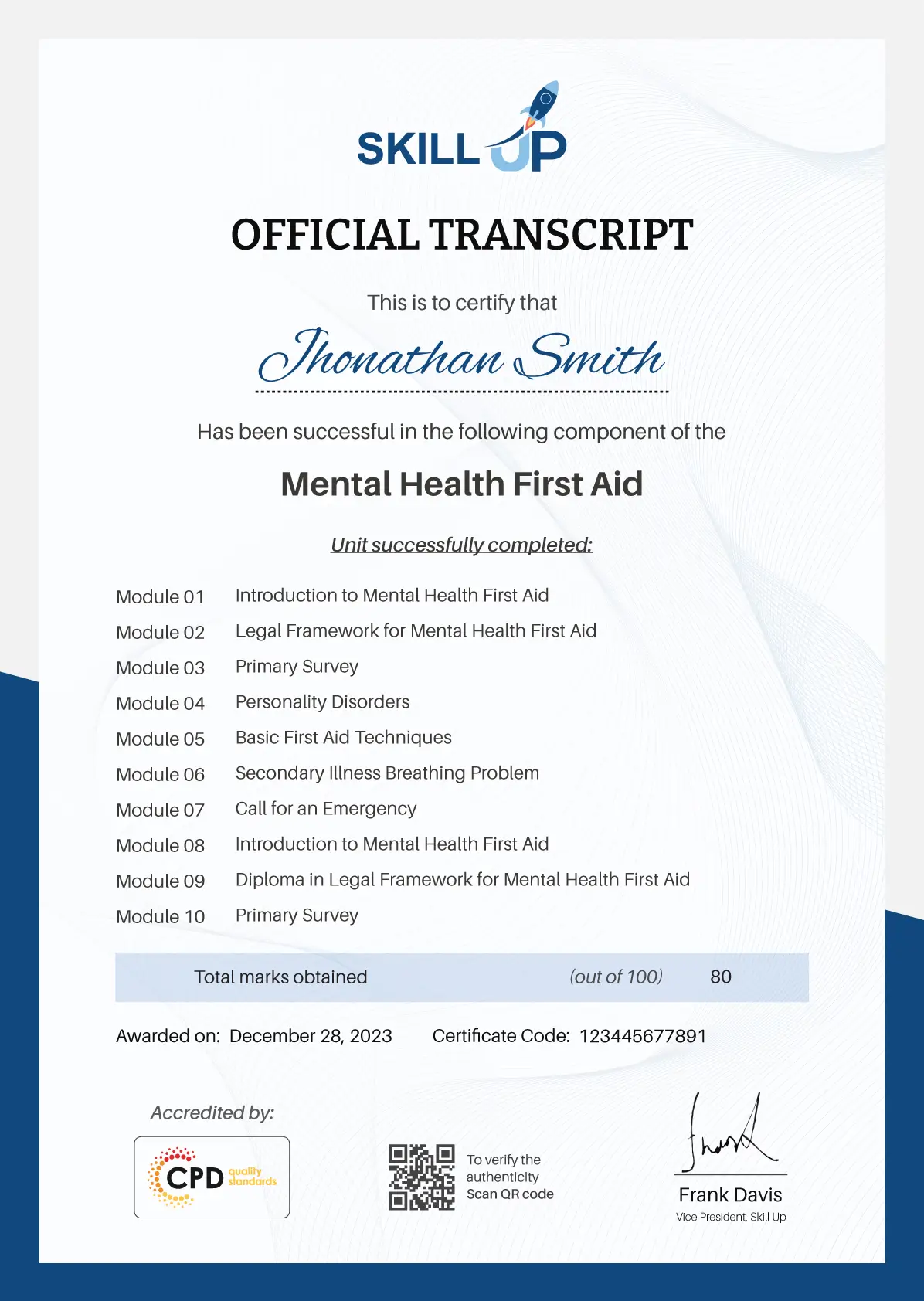
Earn Your Accredited Certificate with Transcript
Save 20% with the coupon code SKILL20

Show Your Certified Identity with a CPD-QS Certificate
Perfect for employers, clients, or academic verification.

Career Path
- Electrical Technician - Handles system installation, testing, and electrical repair tasks | Average Salary: £40,000 – £48,000 per year
- Maintenance Engineer - Oversees equipment performance and applies electronics maintenance training for system upkeep | Average Salary: £42,000 – £55,000 per year
- Electrical Engineer - Designs, manages, and improves systems within electrical engineering environments | Average Salary: £45,000 – £65,000 per year
- Field Service Engineer - Conducts on-site diagnostics and applies electrical troubleshooting methods | Average Salary: £40,000 – £50,000 per year
- Control Systems Engineer - Manages automated systems and performs advanced electrical fault finding | Average Salary: £50,000 – £70,000 per year
- Technical Support Engineer - Provides system support and resolves issues using electrical skills training expertise | Average Salary: £40,000 – £52,000 per year
Frequently Asked Questions
This course covers electrical repair, testing, tools, and electrical fault finding techniques aligned with UK standards.
Yes, it follows a recognised CPD electrical course UK structure suitable for professional development.
Yes, it starts with fundamentals and gradually introduces advanced electrical troubleshooting course methods.
You can become an electrical technician, maintenance engineer, or progress within electrical engineering roles.
It enhances diagnostics, testing, and electronics maintenance training, preparing learners for real-world challenges.
Electronic & Electrical Devices – Maintenance & Troubleshooting Reviews

Excellent
98%
Would Recommend79
Certified Learners100%
Authentic ReviewsThis Electronic & Electrical Devices course was clear and structured; improved my electrical fault finding ability significantly.
I found the electronic devices course content very useful. The Electronic Components: A Step by Step Guide was explained brilliantly.
A great electrical course! It strengthened my electrical skills and helped me progress towards becoming an electrical technician.
Curriculum
-
Unit 1: Introduction
00:02:00
-
Unit 2: Instructor’s Introduction
00:03:00
-
Unit 1: Becoming a Troubleshooter
00:02:00
-
Unit 1: Tools Needed
00:01:00
-
Unit 2: Multimeters
00:07:00
-
Unit 3: Wire Cutter and Stripper
00:03:00
-
Unit 4: Wiring Tools Soldering Iron
00:02:00
-
Unit 5: Screw Drivers
00:03:00
-
Unit 6: Pliers
00:02:00
-
Unit 7: Wrench
00:02:00
-
Unit 8: Oscilloscope and Function Generator
00:03:00
-
Unit 1: Passive Electronic Components
00:03:00
-
Unit 2: Active Electronic Component Diode
00:03:00
-
Unit 3: Active Electronic Component Transistor
00:03:00
-
Unit 4: Common Electronic and Electrical Components
00:05:00
-
Unit 1: Testing a Fuse
00:03:00
-
Unit 2: Testing a Bulb or Lamp
00:02:00
-
Unit 3: Testing a Switch
00:01:00
-
Unit 4: Testing a Transformer
00:04:00
-
Unit 5: Testing a Resistance
00:08:00
-
Unit 1: Safety Concerns
00:05:00
-
Unit 2: Main Concerns – Maintenance
00:02:00
-
Unit 3: Main Concerns – Servicing
00:02:00
-
Unit 4: Troubleshooting Part – 1
00:03:00
-
Unit 5: Troubleshooting Part – 2
00:04:00
-
Unit 1: Introduction
00:05:00
-
Unit 2: Voltage Current and Resistance
00:06:00
-
Unit 3: Types of Current
00:03:00
-
Unit 4: Types of Circuits
00:02:00
-
Unit 5: Practical: Introduction to Digital Multimeter DMM
00:07:00
-
Unit 6: Volt Ohm Meter Basics
00:05:00
-
Unit 7: Measuring Voltage
00:13:00
-
Unit 8: Practical: How to Measure DC Voltage
00:03:00
-
Unit 9: Measuring Current
00:05:00
-
Unit 10: Measuring Currents – Lab Experiment Explained
00:11:00
-
Unit 11: Practical 1: How to Measure Current
00:04:00
-
Unit 12: Practical 2: How to Measure Current
00:01:00
-
Unit 13: Measuring Resistance
00:08:00
-
Unit 14: Practical: How to Test Resistors
00:05:00
-
Unit 15: Circuit Diagram Basics and Basic Symbols
00:12:00
-
Unit 16: Introduction to Resistor and Color Band Coding
00:09:00
-
Unit 17: Power Dissipation + Parallel and Series Resistors
00:12:00
-
Unit 18: Ohm’s Law
00:14:00
-
Unit 19: Introduction to Capacitors
00:11:00
-
Unit 20: Capacitors Behavior + Capacitors in Series and Parallel
00:07:00
-
Unit 21: Practical 1: How to Test a Capacitor
00:03:00
-
Unit 22: Practical 2: How to Test A Capacitor
00:02:00
-
Unit 23: Introduction to Inductors
00:07:00
-
Unit 24: Practical: How to Test and Measure Coils
00:06:00
-
Unit 25: Introduction to Diode + Zener Diode and LED
00:08:00
-
Unit 26: Practical 1: How to Test a Diode
00:02:00
-
Unit 27: Practical 2: How to Test a Diode
00:02:00
-
Unit 28: Introduction to Transistors
00:10:00
-
Unit 29: Practical 1: How to Test a Transistor
00:04:00
-
Unit 30: Practical 2: How to Test a Transistor
00:04:00
-
Unit 31: Practical 3: How to Test a Transistor
00:03:00
-
Order Your Certificate

Offer Ends in
-
Duration:4 hours, 32 minutes
-
Access:1 Year
-
Units:57

14 Reviews

TAKE ALL COURSES FOR £99