.png) 7 Reviews
7 Reviews 5 Students
 EYFS Teaching Diploma Level 3
Course Description
 Learning Outcome
Course media
 Who Is This Course For?
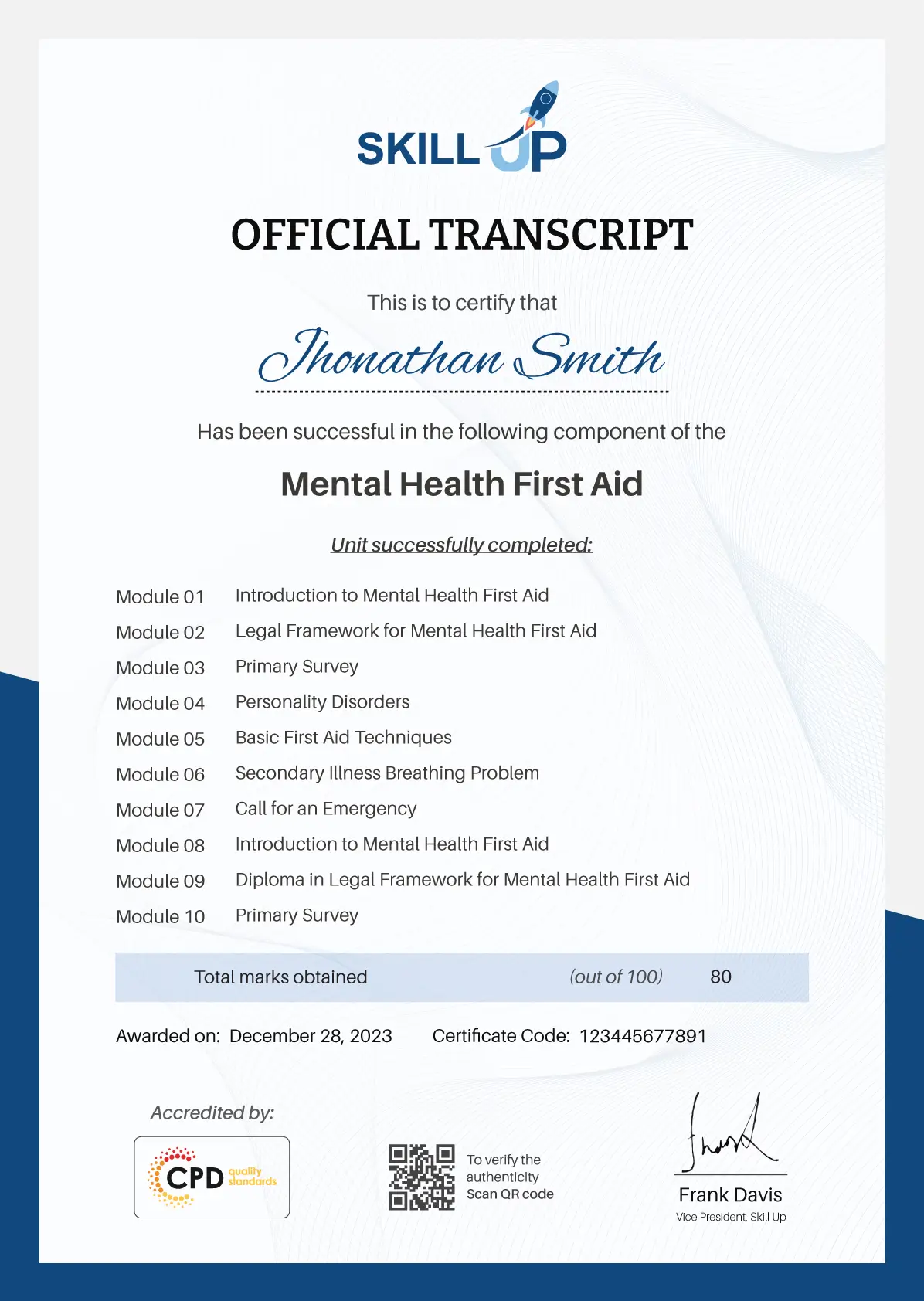
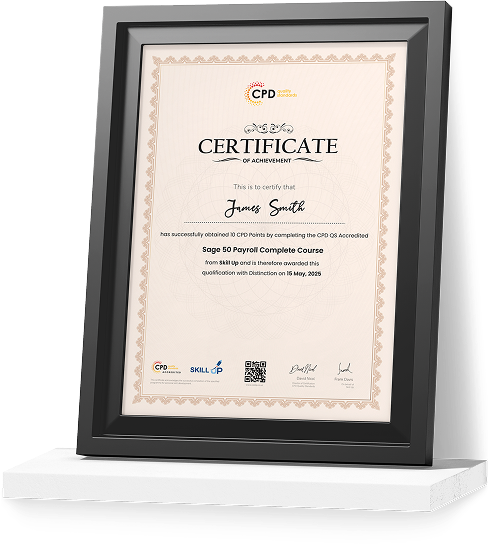
Certificate of Achievement
Earn Your Accredited Certificate with Transcript
Save 20% with the coupon code SKILL20
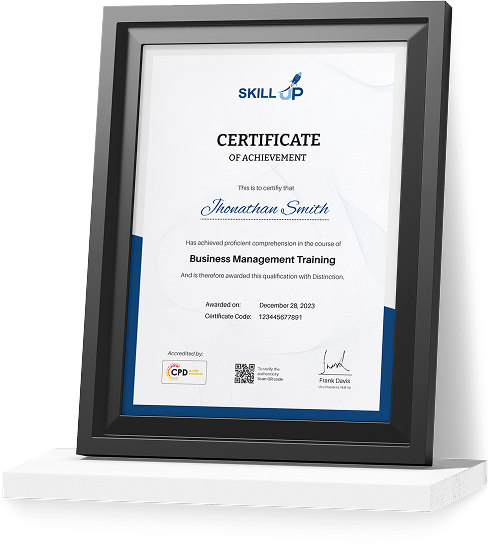
Show Your Certified Identity with a CPD-QS Certificate
Perfect for employers, clients, or academic verification.
 Career Path
Frequestly Asked Questions
Curriculum
-
 The Importance of Education in Early Childhood
 00:15:00
 -
Why is Education Important?
00:15:00
-
Key Benefits of Early Childhood Education
00:15:00
-
The Importance of Parent Involvement in Early Childhood Education
00:05:00
-
How Education Affects Early Childhood Development
00:15:00
-
Qualities of a Good Early Childhood Teacher
00:05:00
-
The Role of the Early Years Teacher
00:15:00
-
Working with Young Children
00:45:00
-
Teaching Kids Life Skills at an Early Age
00:15:00
-
Teach Preschool Kids to Count
00:15:00
-
Set Up a Reward System for Children
00:15:00
-
Teach New Skills by Acting out Scenes
00:05:00
-
Teach Kids About Their Feelings
00:05:00
-
Teach Self-Care Skills to Children with Special Needs
00:15:00
-
Teach Your Kids Time Management Skills
00:30:00
-
Requirements, Qualifications and Useful Skills
00:05:00
-
The Early Years Framework
00:30:00
-
Understanding the EYFS Framework
00:05:00
-
A Fair and Flexible Framework
00:05:00
-
Regulation of Learning and Development
00:15:00
-
The Learning and Development Requirements
00:30:00
-
The Early Learning Goals
00:15:00
-
The Characteristics of Effective Learning
00:30:00
-
The EYFS Curriculum Design
00:05:00
-
Learning and Teaching Through Play
00:30:00
-
Playful Learning and Playful Teaching
00:15:00
-
Teaching Methods
00:15:00
-
Strategies for 21st Century Early Childhood Teachers
00:15:00
-
Creating an Enabling Environment
00:30:00
-
Innovative Ideas to Make Your Teaching Methods More Effective
00:15:00
-
SEN support
00:11:00
-
High Quality Teaching for Pupils with SEN
00:06:00
-
SEN Teaching Methodologies
00:17:00
-
Communication and Interaction
00:13:00
-
Cognition and Learning
00:16:00
-
Social, Emotional and Mental Health Difficulties
00:09:00
-
Montessori and the EYFS
00:05:00
-
The Montessori Approach
00:15:00
-
Exemptions from EYFS Learning and Development Requirements
00:15:00
-
Welfare Requirements Become Safeguarding and Welfare Requirements
00:05:00
-
Staffing Roles and Responsibilities
00:05:00
-
Early Years Teacher
00:30:00
-
Teaching Jobs: Where to Find Them and When to Apply
00:15:00
-
How to write a Must-Read CV
00:15:00
-
Get Your CPD Certificate
00:01:00

£25
Save 92% - Grab Now!

Offer Ends in
 All
Courses for £49
All
Courses for £49
This course includes:
-
Duration:11 hours, 8 minutes
-
Access:1 Year
-
Units:45