
.png) 45 Reviews
45 Reviews 1 Students
 Overview
 Overview
 Course Description
Learning Outcome
 Learning Outcome
 Who Is This Course For?
 Who Is This Course For?
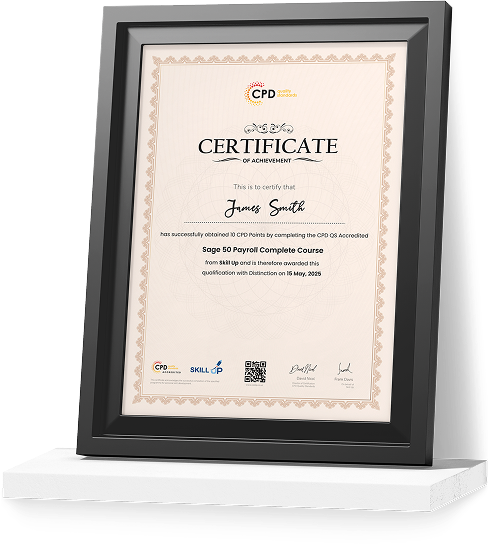
Certificate of Achievement
Earn Your Accredited Certificate with Transcript
Save 20% with the coupon code SKILL20
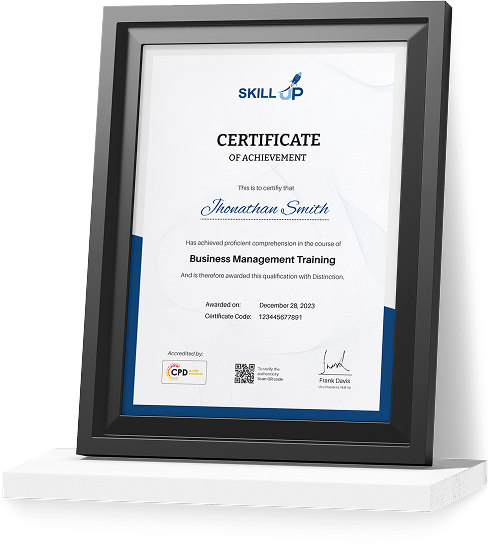
Show Your Certified Identity with a CPD-QS Certificate
Perfect for employers, clients, or academic verification.
Career Path
 Career Path
 Frequently Asked Questions
Safeguarding Level 4 Reviews

A well-organised and highly valuable course with clear, easy-to-understand guidance throughout. I’ve gained knowledge that’s directly relevant to my day-to-day responsibilities. It’s given me greater confidence in applying these skills professionally.

Engaging content delivered in a straightforward and structured format. The examples were realistic and helped reinforce key concepts effectively. I would certainly recommend it to colleagues looking to upskill

Comprehensive, insightful and professionally presented from start to finish. The course materials were clear and well supported. A worthwhile investment for anyone serious about career development
Curriculum
-
Introduction to Safeguarding
00:22:00

 00:22:00
 -
Laws and Guidance
00:42:00
-
Child Abuse
00:48:00
-
Sexual Abuse
00:39:00
-
The Impact of Domestic Violence and Abuse on Children
00:48:00
-
Risks and Risk Assessment
00:16:00
-
Social and Emotional Development
00:41:00
-
Personality and Intellectual Development of Children
00:32:00
-
Responding to Disclosure and Reporting
00:32:00
-
Things to Do after Referral
00:24:00
-
Record Keeping
00:18:00
-
An Introduction to Safeguarding of Vulnerable Adults
00:18:00
-
Safeguarding Legislations
00:27:00
-
Understanding Abuse and Neglect
00:29:00
-
Safeguarding Vulnerable Adults: Policy, Roles and Responsibilities
00:31:00
-
Understanding the Importance of Communication in Care
00:22:00
-
Sharing Information and Responding To a Disclosure
00:36:00
-
Reporting Your Concern
00:29:00
-
Safeguarding Trafficked Children
00:30:00
-
Infant Mental Health and Early Attachment
00:29:00
-
Assessing Need and Providing Early Help
00:23:00
-
The Mental Capacity Act
00:14:00
-
Deprivation of Liberty Safeguards (DoLS)
00:17:00
-
Legal Background to DOLS
00:15:00
-
Liberty Protection Safeguards (LPS)
00:24:00
-
Introduction to Duty of Candour
00:05:00
-
Duty of the Candour Process
00:05:00
-
Rights and Responsibilities as a Health and Social Care Worker
00:40:00
-
Role as A Caregiver and Healthcare Professional
00:24:00
Offer Ends in

 TAKE ALL COURSES FOR £99
-
Duration:13 hours
-
Access:1 Year
-
Units:29