Login

Level 3 Diploma in Occupational Therapy

Certificate in Occupational Therapy at QLS Level 3 | Appodable Course Pricing | 24/7 Tutor Support
5
25 Reviews

stds545 Students

GET THIS COURSE AND 3000+ OTHERS FOR ONLY £49. FIND OUT MORE

Level 3 Diploma in Occupational Therapy

Level 3 Diploma in Occupational Therapy introduces learners to the vital principles of promoting health, independence, and well-being through therapeutic practice. This diploma in occupational therapy blends essential theory with applied techniques, preparing learners to support clients in regaining confidence and functionality in their daily lives. Covering topics from anatomy and physiology to client development, this diploma in occupational therapy online builds a foundation for those pursuing a rewarding profession in health and social care across the UK. Whether aiming to enter healthcare or enhance current knowledge, this occupational therapy course provides the right balance of academic and professional growth.

Following Courses are Included With This Course (For Free) - Limited Time!

Art Therapy GIFT
Counselling and Therapy

Art Therapy

5.0
Play Therapy Diploma GIFT
Counselling and Therapy

Play Therapy Diploma

5.0

Course Description

Discover how to make a real impact through the diploma in occupational therapy. This qualification explores how occupational therapists empower individuals to overcome barriers and enhance their quality of life. Learners explore the human body’s structure in Anatomy & Physiology, understand creative therapeutic methods, and develop essential management and interpersonal skills to support client needs effectively.

Throughout this level 3 diploma in occupational therapy, learners study how therapeutic practices can restore independence and dignity. The course also encourages innovation and emotional intelligence, preparing participants to manage varied cases with professionalism and empathy.

Designed for UK learners, this diploma in occupational therapy online provides flexibility, enabling participants to learn at their own pace while gaining the expertise to build a rewarding healthcare career. By completing this occupational therapy course, students unlock the opportunity to join one of the UK’s most compassionate and essential professions.

Note: Skill-up is a Janets-approved resale partner for Quality Licence Scheme Endorsed courses.

Learning Outcome

Who Is This Course For?

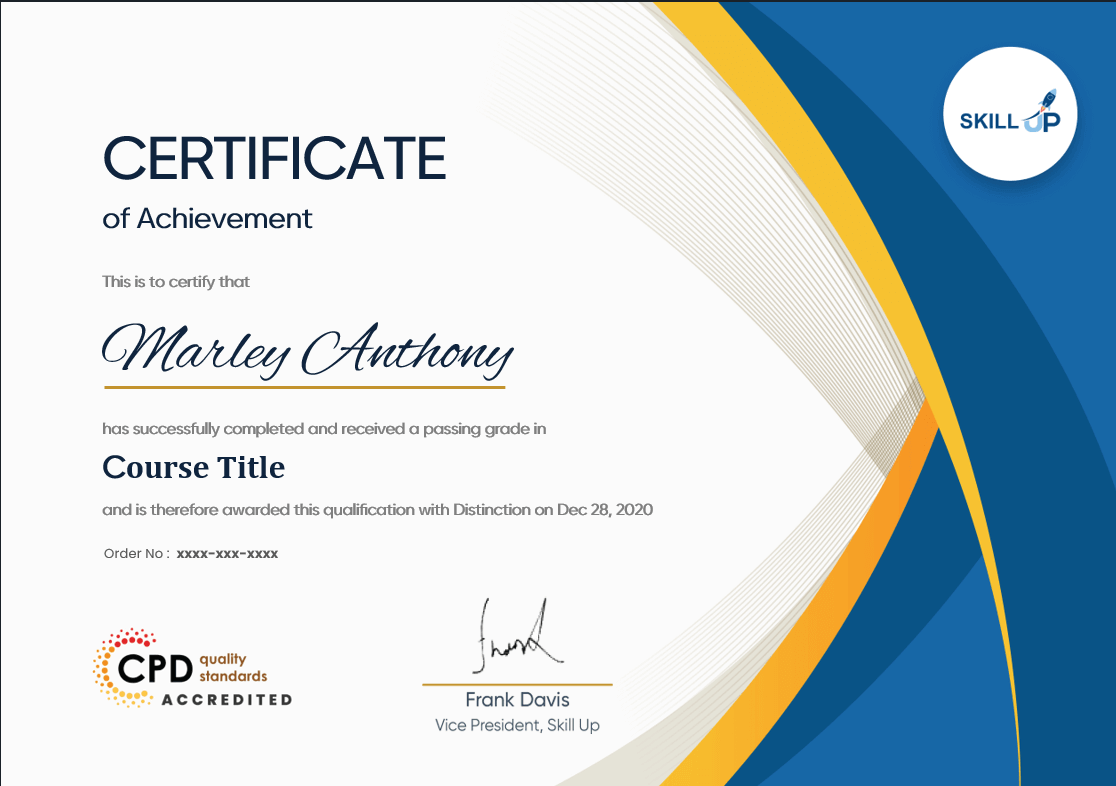
Certificate of Achievement

Quality Licence Scheme Endorsed Certificate 

Upon completing the final assessment, you can apply for the Quality Licence Scheme Endorsed Certificate of Achievement. Endorsed certificates can be ordered and delivered to your home by post for only £79.

Earn Your Accredited Certificate with Transcript

Save 20% with the coupon code SKILL20

Show Your Certified Identity with a CPD-QS Certificate

Perfect for employers, clients, or academic verification.

Get a QLS Certificate to Showcase Your Skills

Detailed record of your completed modules and qualifications.

Career Path

Frequestly Asked Questions

Occupational therapy helps individuals of all ages overcome physical, emotional, or cognitive challenges that affect their daily lives. Occupational therapists (OTs) support people in performing essential activities such as self-care, work, and leisure. They assess each person’s abilities and environment to create tailored rehabilitation plans that promote independence and well-being. Occupational therapy focuses on enabling people to live fuller, more meaningful lives through practical solutions and adaptive techniques.

A person may be referred to an occupational therapist when illness, injury, or disability affects their ability to manage daily tasks. This could include difficulty dressing, cooking, moving safely at home, or coping with sensory or cognitive issues. Doctors, social workers, or other healthcare professionals often refer patients to OTs for rehabilitation, home adaptations, or support with returning to work. Occupational therapists play a key role in helping individuals regain independence and confidence in their everyday activities.

No, you cannot practise as an occupational therapist in the UK without a degree. To become a registered OT, you must complete an approved occupational therapy degree or degree apprenticeship accredited by the Health and Care Professions Council (HCPC). However, if you want to work in the field without qualifying as an OT, you could consider becoming an occupational therapy assistant or support worker, which does not require a university degree.

The main role of an occupational therapist is to help people improve their ability to perform daily activities safely and independently. OTs assess physical, psychological, and environmental barriers, then design strategies or interventions to overcome them. This might involve teaching new techniques, recommending assistive devices, or modifying a person’s environment. The ultimate goal of occupational therapy is to empower individuals to lead productive and satisfying lives despite any limitations.

Occupational therapy and physiotherapy are both valuable but serve different purposes. Physiotherapists primarily focus on restoring physical movement, strength, and function after an injury or illness. Occupational therapists, on the other hand, concentrate on helping people carry out daily activities by adapting tasks or environments. Neither is “better” — they often work together as part of a multidisciplinary team. While physiotherapy improves physical ability, occupational therapy enhances practical independence in everyday life.

You can get an occupational therapy assessment through the NHS, your local council, or privately. If you’re seeking NHS support, ask your GP, social worker, or healthcare provider for a referral. Local councils also offer free assessments for home adaptations or support equipment. Alternatively, you can book a private OT assessment for faster access. An OT assessment evaluates your needs and recommends solutions to help you live more independently and safely.

In the UK, occupational therapists and nurses generally earn similar salaries, though this can vary depending on experience and location. Entry-level NHS OTs typically start on Band 5, earning around £28,000–£34,000 per year, while experienced practitioners can earn up to £50,000 or more at senior levels. Nurses on comparable NHS bands may have similar pay scales, though specialisms and overtime can influence earnings. Overall, both careers offer rewarding pay and strong progression opportunities within the NHS.

Becoming a qualified occupational therapist in the UK usually takes three years of full-time study to complete a bachelor’s degree in occupational therapy. Alternatively, those with a relevant undergraduate degree can pursue a two-year accelerated master’s programme. Degree apprenticeships may take around four years, combining study with paid work experience. Whichever route you choose, registration with the HCPC is required to practise legally as an occupational therapist in the UK.

In the UK, occupational therapists earn between £28,000 and £50,000 per year, depending on experience, location, and role. Newly qualified OTs on NHS Band 5 typically start around £28,000, while senior or specialist OTs on Bands 6 and 7 can earn between £35,000 and £50,000 annually. Private practice or management roles may offer even higher salaries. Occupational therapy is a stable and fulfilling career path with strong earning potential and job satisfaction.

Curriculum

  • play About the Course & Instructor
    play 00:04:00
  • play What is Occupational Therapy?
    play 00:06:00
  • play Knowledge & Skills for Occupational Therapy
    play 00:09:00
  • play Working with Adults
    play 00:07:00
  • play Working with Children
    play 00:06:00
top