Cart
No products in the basket.
Log In Sign Up

Login

Physiotherapy Assistant

Diploma in Physiotherapy Training at QLS Level 5 | CPD Certified | 24/7 Learner Support
4.8
8 Reviews

stds98 Students

Accreditation Icon
Accreditation Icon

Overview: Physiotherapy Assistant Course

If you want to develop knowledge of rehabilitation support, movement therapy, and patient care within healthcare environments, the Physiotherapy Assistant course is designed to build your knowledge of physiotherapy practices and clinical support procedures. In today’s healthcare sector, physiotherapy assistants play an important role in supporting physiotherapists, helping patients improve mobility, manage physical conditions, and support recovery processes.

Physiotherapy services are essential within hospitals, rehabilitation centres, sports clinics, care homes, and community healthcare settings. Healthcare organisations rely on physiotherapy support staff to assist with therapeutic programmes, patient mobility, rehabilitation planning, and recovery support across a wide range of physical conditions.

This training provides a structured introduction to physiotherapy principles, rehabilitation methods, patient support systems, and specialist physiotherapy areas. Learners will explore how physiotherapy assistants contribute to patient wellbeing, recovery management, and healthcare support services.

  • Learn the foundations of physiotherapy and rehabilitation support
  • Understand physiotherapy standards and healthcare responsibilities
  • Explore neurological, respiratory, musculoskeletal, and sports physiotherapy
  • Identify evidence-based physiotherapy approaches and interventions
  • Recognise career pathways within physiotherapy and rehabilitation services

What Is Physiotherapy Assistant Course?

The Physiotherapy Assistant course focuses on how physiotherapy support services help patients improve movement, mobility, and physical wellbeing. It introduces learners to physiotherapy principles, therapeutic interventions, rehabilitation methods, and patient support procedures used within healthcare settings.

In this course, learners explore the responsibilities of physiotherapy assistants while examining physiotherapy standards, treatment approaches, and specialist rehabilitation areas. The programme explains sports physiotherapy, neurological physiotherapy, musculoskeletal rehabilitation, respiratory physiotherapy, and paediatric physiotherapy support systems.

The training also covers evidence-based physiotherapy practices and professional development within healthcare environments. Learners develop knowledge of how physiotherapy interventions support patient recovery, mobility improvement, and long-term rehabilitation planning.

By the end of the course, learners develop a clear understanding of physiotherapy services, rehabilitation procedures, patient support methods, and professional healthcare responsibilities.

Course Description

The Physiotherapy Assistant course begins with an introduction to physiotherapy and its role within modern healthcare systems. Learners explore how physiotherapy services support mobility improvement, rehabilitation management, injury recovery, and patient wellbeing across different healthcare settings.

As the course progresses, learners examine professional standards for physiotherapists and healthcare support staff. This section explains professional conduct, patient care responsibilities, ethical practices, and healthcare standards relevant to physiotherapy environments.

The curriculum then focuses on physiotherapy interventions and rehabilitation techniques. Learners study how therapeutic exercises, rehabilitation plans, and mobility support programmes assist patients recovering from injuries, illnesses, and physical limitations.

Further modules introduce specialist physiotherapy areas, including sports physiotherapy, neurological physiotherapy, musculoskeletal physiotherapy, respiratory physiotherapy, and paediatric physiotherapy. Learners explore how different physiotherapy approaches support patient recovery within specific healthcare and rehabilitation environments.

The course also provides detailed coverage of evidence-based physiotherapy practices. Learners examine how physiotherapy professionals use research, clinical guidelines, and healthcare evidence to support treatment planning and rehabilitation decisions.

The training concludes with guidance on building a career within physiotherapy and rehabilitation services. Learners explore professional development opportunities, healthcare career pathways, and the growing importance of physiotherapy support roles within modern healthcare systems.

By completing this course, learners develop structured knowledge of physiotherapy support systems, rehabilitation procedures, patient care responsibilities, and healthcare service operations.

Learning Outcome

Who Is This Course For?

Why Enrol in This Physiotherapy Assistant Course?

Healthcare organisations increasingly rely on physiotherapy services to support rehabilitation, mobility improvement, and patient recovery. Physiotherapy assistants contribute significantly to healthcare teams by supporting therapeutic programmes and patient care activities.

This course provides structured knowledge of physiotherapy principles, rehabilitation systems, patient support procedures, and specialist physiotherapy areas. Instead of focusing only on theory, the training explains how physiotherapy services operate within healthcare environments and how rehabilitation support contributes to patient wellbeing.

Professionals with physiotherapy support knowledge contribute significantly to rehabilitation services and patient care quality. Their ability to support mobility programmes and therapeutic activities helps healthcare organisations improve patient recovery outcomes.

Whether you are preparing for a healthcare support role or improving rehabilitation knowledge, this course strengthens your ability to support physiotherapy services and patient care environments.

Physiotherapy Assistant Course Career Path

Knowledge of physiotherapy support systems supports several professional roles within healthcare, rehabilitation, and patient care services.

Typical career pathways include:

Physiotherapy Assistant — £22,000–£32,000
Supports physiotherapists with rehabilitation programmes and patient care activities.

Rehabilitation Support Worker — £23,000–£34,000
Assists patients with recovery and mobility improvement programmes.

Healthcare Assistant — £21,000–£30,000
Supports patient wellbeing within hospitals and healthcare environments.

Sports Rehabilitation Assistant — £24,000–£36,000
Supports rehabilitation programmes within sports and fitness settings.

Care Support Worker — £22,000–£31,000
Provides mobility and rehabilitation assistance within care environments.

Therapy Support Assistant — £24,000–£35,000
Supports therapy teams with rehabilitation planning and patient services.

Professionals with physiotherapy support knowledge can progress into rehabilitation coordination, healthcare support, therapy assistance, and advanced physiotherapy education pathways.

Enrol Today – Build Rehabilitation and Physiotherapy Knowledge

By enrolling in this Physiotherapy Assistant course, you begin developing knowledge that supports rehabilitation services, patient mobility improvement, and physiotherapy support systems.

Physiotherapy services play an essential role in helping individuals recover from injuries, manage physical conditions, and improve quality of life. Individuals who understand rehabilitation systems contribute significantly to patient wellbeing and healthcare support services.

Start building the knowledge that supports physiotherapy assistance, rehabilitation planning, patient mobility support, and healthcare service operations.

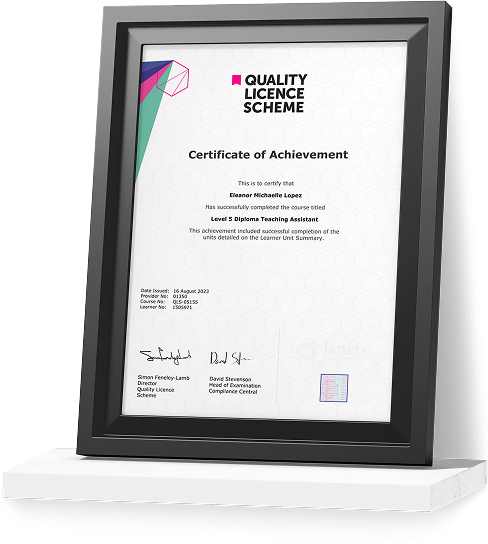
Certificate of Achievement

Quality Licence Scheme Endorsed Certificate 

Upon completing the final assessment, you can apply for the Quality Licence Scheme Endorsed Certificate of Achievement. Endorsed certificates can be ordered and delivered to your home by post for only £109.

Earn Your Accredited Certificate with Transcript

Save 20% with the coupon code SKILL20
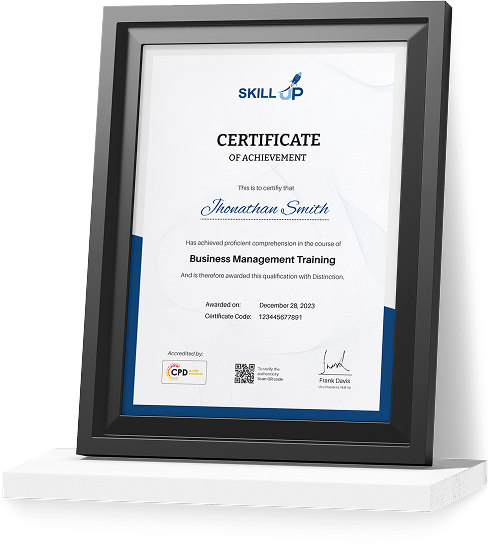
Get a QLS Certificate to Showcase Your Skills

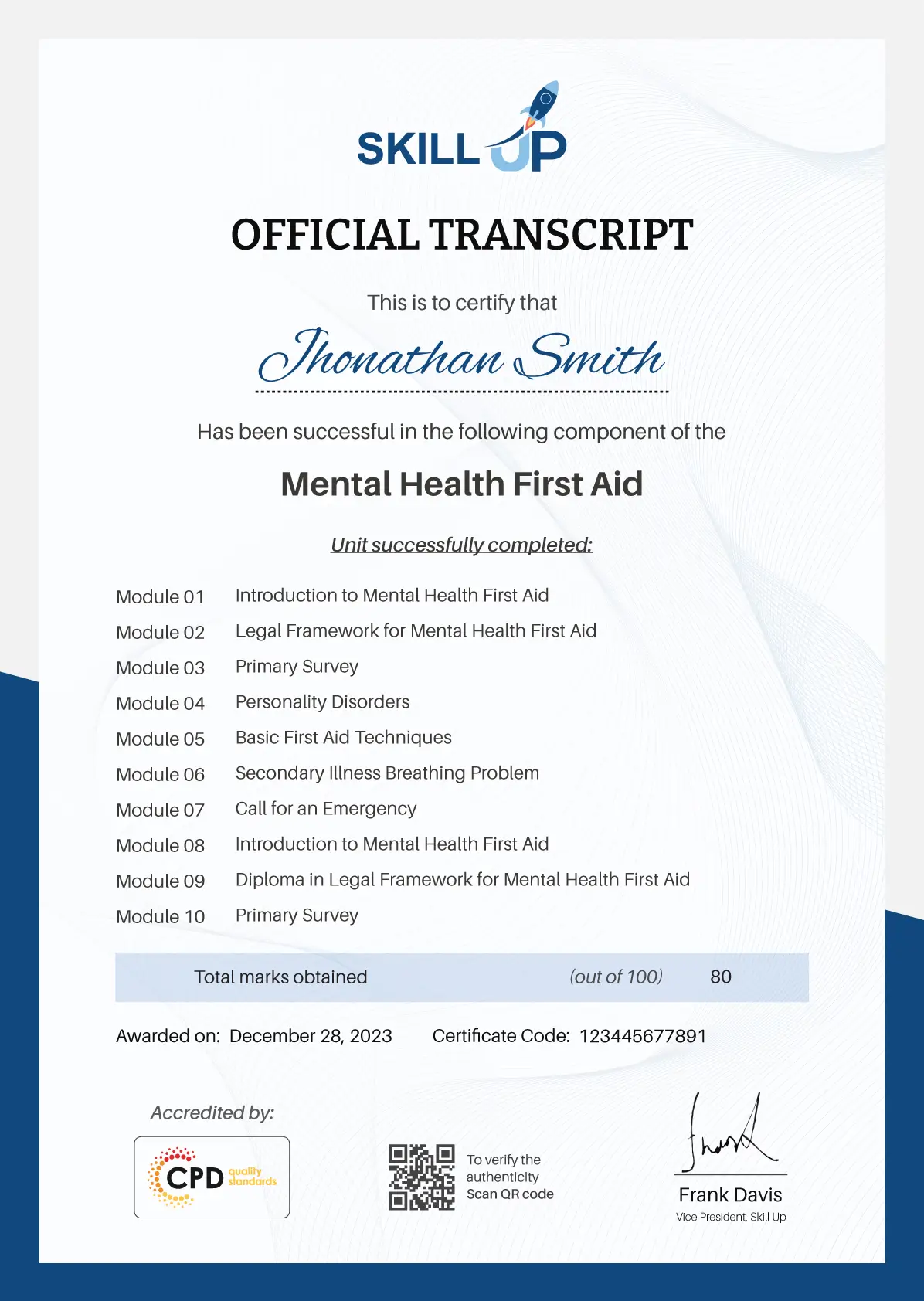
Detailed record of your completed modules and qualifications.
Frequently Asked Questions

To become a Physiotherapy Assistant in the UK, you typically do not need a university degree. Most employers look for relevant training, practical knowledge, and an understanding of patient care. Completing a recognised Physiotherapy Assistant course provides the foundational skills required to enter the role and work alongside qualified physiotherapists.

No previous healthcare experience is required. This Physiotherapy Assistant course is designed for beginners as well as those already working in healthcare. All key concepts, terminology, and physiotherapy principles are explained clearly from the ground up.

A Physiotherapist is a fully qualified healthcare professional responsible for diagnosing conditions and creating treatment plans. A Physiotherapy Assistant supports physiotherapists by helping deliver treatments, assisting patients during exercises, preparing equipment, and contributing to rehabilitation programmes under supervision.

Musculoskeletal physiotherapy focuses on treating injuries and conditions affecting muscles, joints, ligaments, and bones. This includes back pain, sports injuries, joint stiffness, and mobility issues. Physiotherapy Assistants help support treatment sessions and patient recovery in this area.

Yes, Physiotherapy Assistants are employed across the NHS and private healthcare settings. While specific employers may have additional requirements, completing a Physiotherapy Assistant course strengthens your eligibility for entry-level and support roles in hospitals, clinics, and rehabilitation centres.

Physiotherapy Assistant Reviews

Excellent

4.8 / 5
Based on 8 reviews

98%

Would Recommend

98

Certified Learners

100%

Authentic Reviews

A well-organised and highly valuable course with clear, easy-to-understand guidance throughout. I’ve gained knowledge that’s directly relevant to my day-to-day responsibilities. It’s given me greater confidence in applying these skills professionally.

Engaging content delivered in a straightforward and structured format. The examples were realistic and helped reinforce key concepts effectively. I would certainly recommend it to colleagues looking to upskill

Comprehensive, insightful and professionally presented from start to finish. The course materials were clear and well supported. A worthwhile investment for anyone serious about career development

Curriculum

  • play Introduction to Physiotherapy
    play 00:12:00