
.png) 6 Reviews
6 Reviews 125 Students
 Overview: Caregiver Diploma Course
 Overview: Caregiver Diploma Course
Course Description
Learning Outcome
 Learning Outcome
 Course media
Who Is This Course For?
 Who Is This Course For?
 Why Enrol in This Caregiver Diploma Course?
Caregiver Diploma Course Career Path
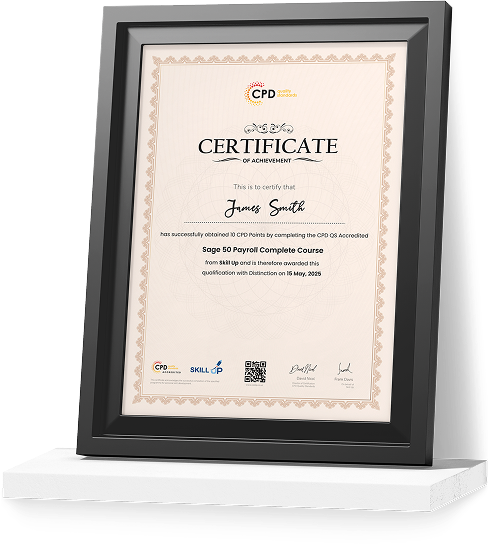
Certificate of Achievement
Earn Your Accredited Certificate with Transcript
Save 20% with the coupon code SKILL20
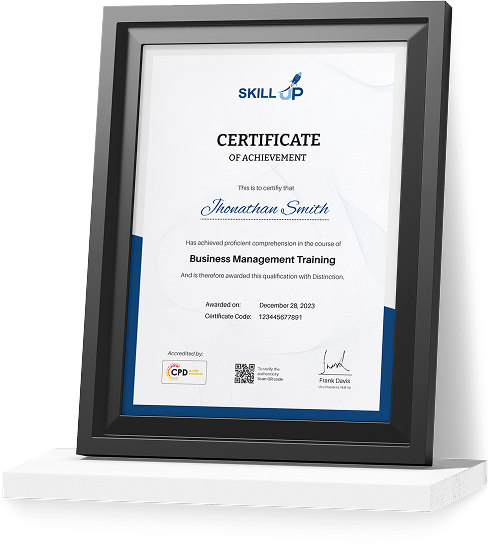
Show Your Certified Identity with a CPD-QS Certificate
Perfect for employers, clients, or academic verification.
Frequently Asked Questions
Caregiver Diploma Reviews

A well-organised and highly valuable course with clear, easy-to-understand guidance throughout. I’ve gained knowledge that’s directly relevant to my day-to-day responsibilities. It’s given me greater confidence in applying these skills professionally.

Engaging content delivered in a straightforward and structured format. The examples were realistic and helped reinforce key concepts effectively. I would certainly recommend it to colleagues looking to upskill

Comprehensive, insightful and professionally presented from start to finish. The course materials were clear and well supported. A worthwhile investment for anyone serious about career development
Curriculum
-
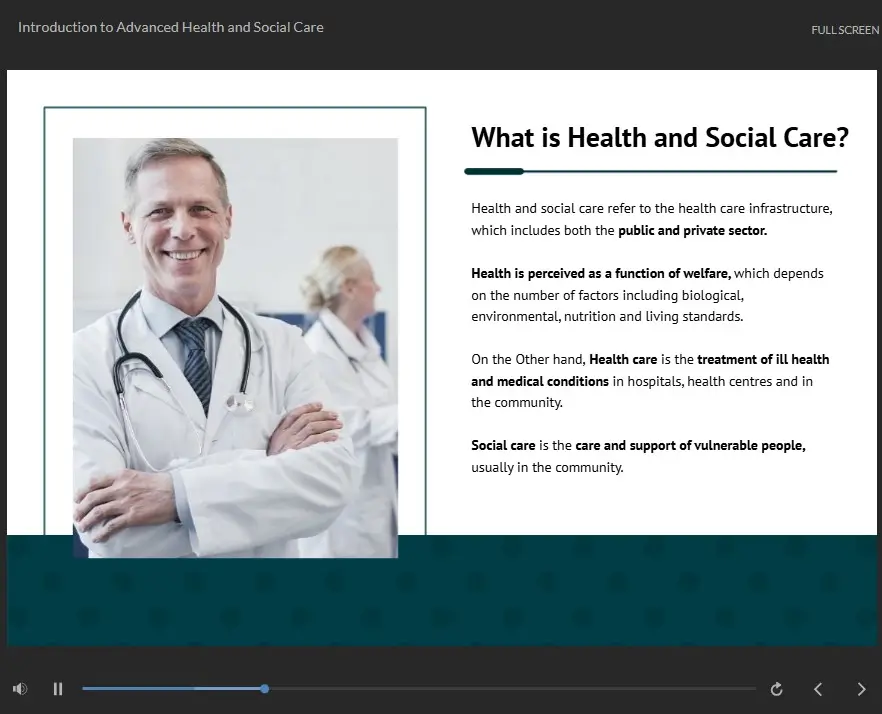
Introduction to Advanced Health and Social Care
00:24:00
-
Introduction to the UK Health System
00:29:00
-
Introduction to Healthcare Assistant
00:17:00
-
An Introduction to Social Care
00:21:00
-
An Introduction to Consent
00:12:00
-
Introduction to Emergency Care Worker
00:11:00

 00:24:00
 -
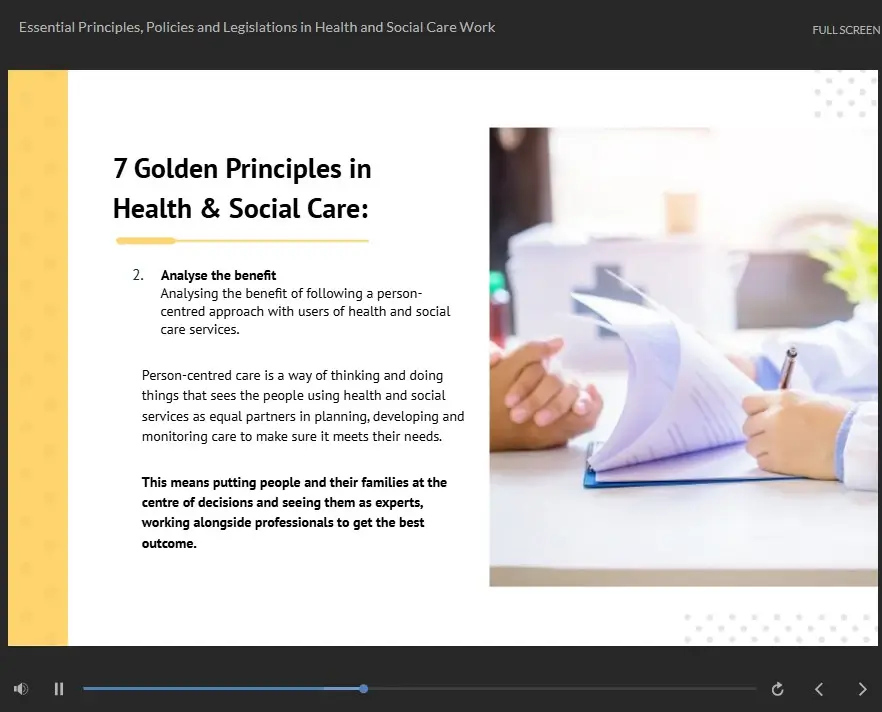
Essential Principles, Policies and Legislations in Health and Social Care Work
00:42:00
-
The Principles and Policies of Social Care
00:24:00
-
UK Legislations Regarding Social Care
00:28:00
-
Legal, Standards and Professional Aspects of Ethical Practice: Part – 1
00:52:00
-
Legal, Standards and Professional Aspects of Ethical Practice Part – 2
00:48:00
-
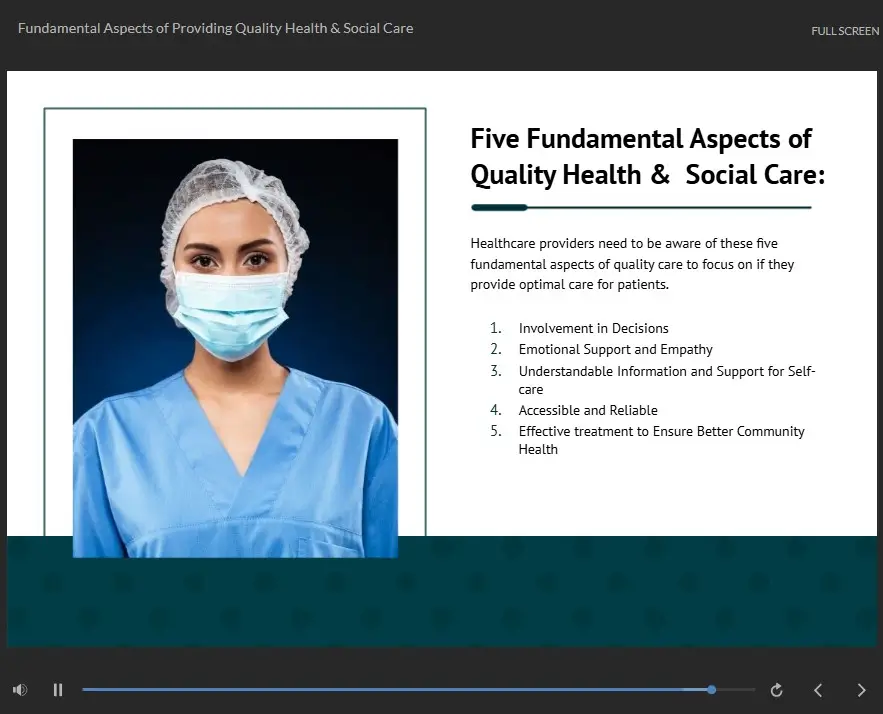
Fundamental Aspects of Providing Quality Health & Social Care
00:20:00
-
Person-centred Care
00:18:00
-
Equality, Diversity and Inclusion in Social Care
00:18:00
-
Safeguarding Vulnerable Individuals
00:52:00
-
Working with People with Disabilities, Dementia and Diabetes
00:16:00
-
UK Acts in Relation to Consent
00:26:00
-
Information Regarding Consent
00:11:00
-
Consenting for Someone Else
00:15:00
-
Best Interest Decision Making
00:20:00
-
Assessing Capacity
00:13:00
-
Providing Care or Treatment to People Who Lack Capacity
00:12:00
-
Importance of Communication in Healthcare
00:33:00
-
Professional Communication and Behaviour
00:20:00
-
Adapting Communication to a Patient’s Ability to Understand
00:19:00
-
Confidentiality in a Medical Environment
00:14:00
-
Medical Jargon and Terminology
00:46:00
-
Health and Safety in Nursing
00:46:00
-
Hygiene in Nursing
00:29:00
-
Infection Control
00:30:00
-
Emergency Care Assistant Driving and Assisting the Clinician
00:11:00
-
Primary Survey
00:11:00
-
Secondary Survey
00:14:00
-
Dealing with Minor Injuries at the Workplace
00:40:00
-
Basic First-Aid Techniques
00:27:00
-
Risk Management in Health and Social Care
00:03:00
-
Career Prospects in Health and Social Care
00:24:00
-
Trauma Emergencies
00:20:00
-
Order Your Certificate

Offer Ends in

 TAKE ALL COURSES FOR £99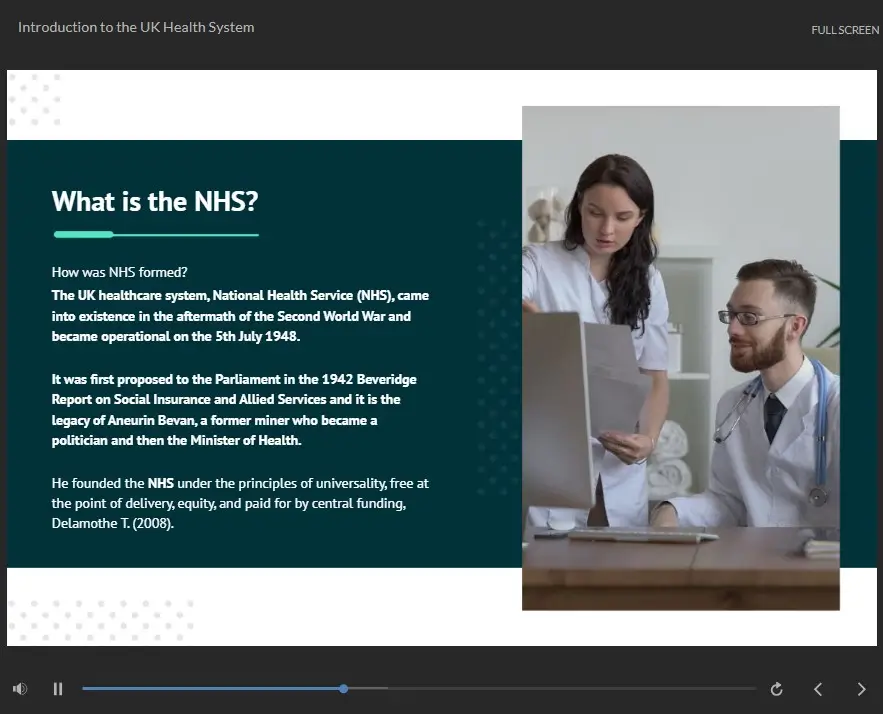
-
Duration:15 hours, 16 minutes
-
Access:1 Year
-
Units:39