 GIFT
GIFT
Healthcare

.png) 8 Reviews
8 Reviews
 614 Students

 Overview: Diploma in Care Certificate (Standards 1 to 16)
GIFT
Overview: Diploma in Care Certificate (Standards 1 to 16)
GIFT
 GIFT
Course Description
GIFT
Course Description Learning Outcome Course media
 Who Is This Course For? Why Enrol in This Course ? Diploma in Care Certificate Career PathCertificate of Achievement
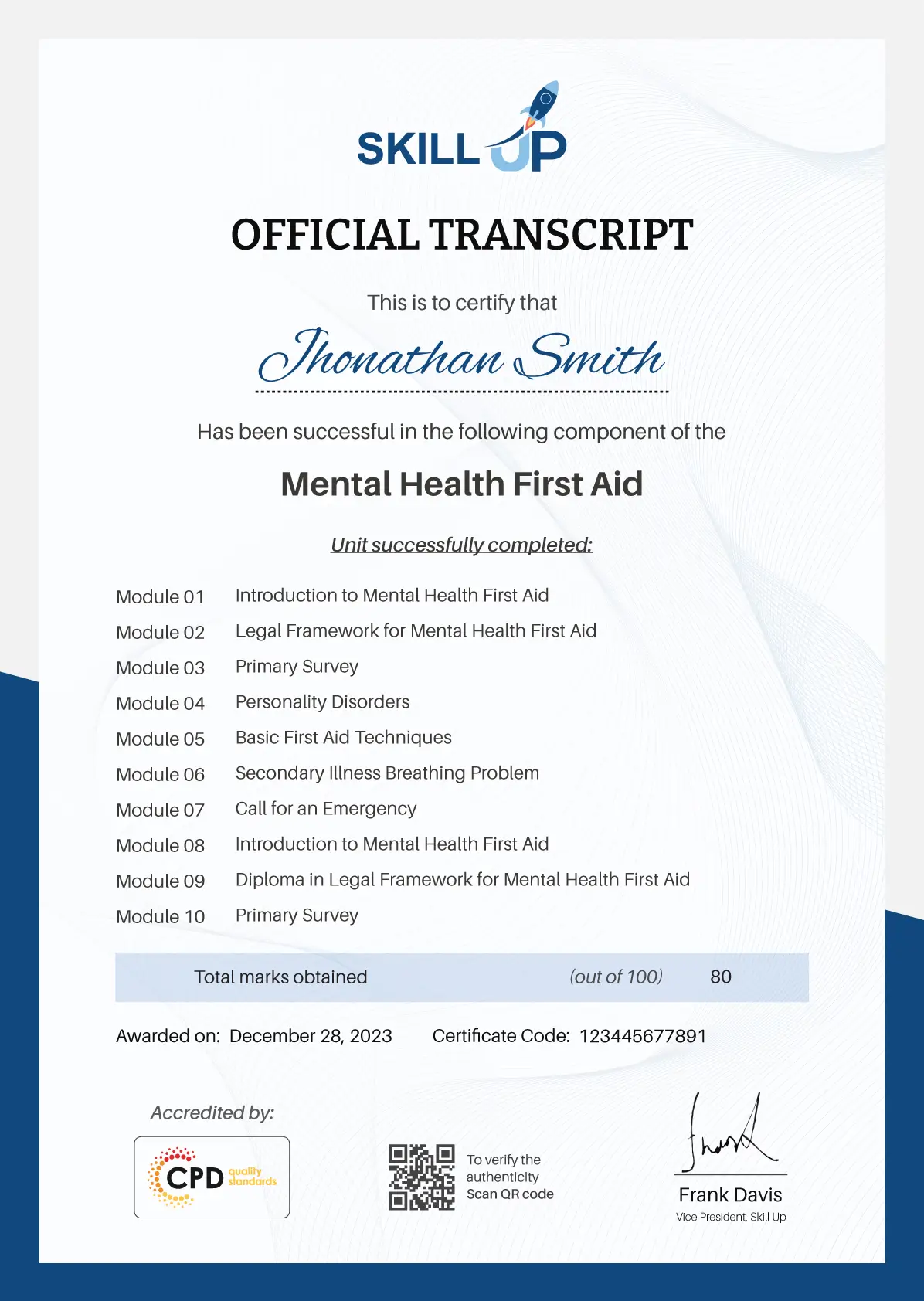
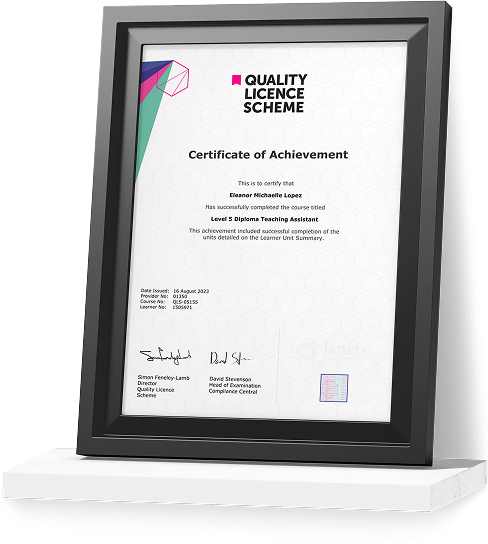
Earn Your Accredited Certificate with Transcript
Save 20% with the coupon code SKILL20
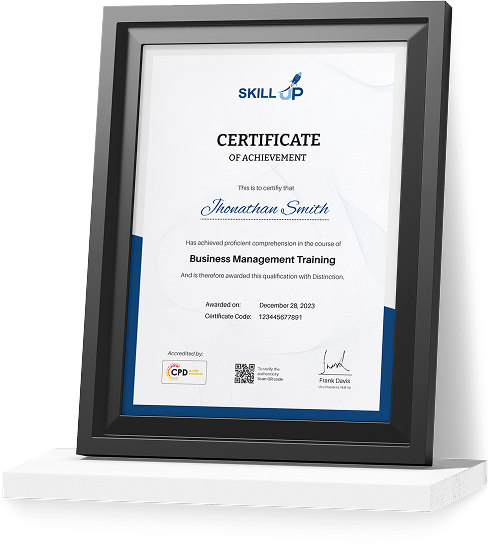
Show Your Certified Identity with a CPD-QS Certificate
Perfect for employers, clients, or academic verification.
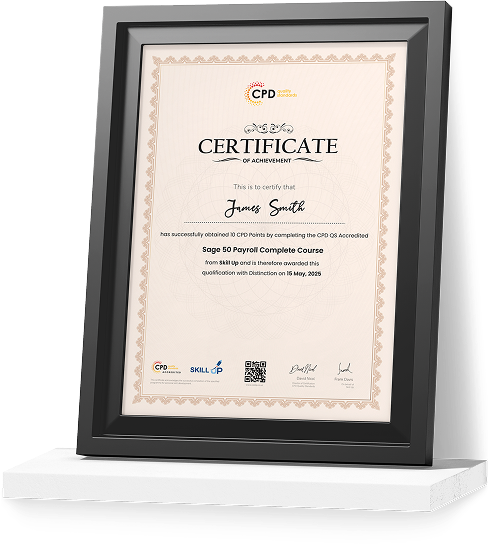
Get a QLS Certificate to Showcase Your Skills
Detailed record of your completed modules and qualifications.
 Frequently Asked Questions
 The Duties and Responsibilities of a Care Worker
 00:22:00
Employment Rights and Responsibilities
00:21:00
Aims, objectives and values of the service
00:12:00
Responsibilities to the Individuals
00:22:00
Different Working Relationships in Care Settings
00:09:00
The Importance of Partnership Working
00:15:00
Skills That Healthcare Professionals Need
00:18:00
Identify Sources of Support for Own Learning and Development
00:20:00
What Is Duty of Care
00:35:00
Dilemmas That may Arise Between the Duty of Care and an Individual’s Rights
00:25:00
Procedures for Responding to Complaints
00:35:00
Recognising Adverse Events, Incidents, Errors and Near Misses
00:20:00
Factors and Difficult Situations That may Cause Confrontation
00:23:00
Understanding Diversity
00:12:00
Discrimination that can be Deliberately or Unintentional
00:16:00
Legislation and codes of practice relating to equality
00:12:00
Respecting individuals’ beliefs, culture, values and preferences
00:09:00
Sources of Information for Diversity, Equality, and Inclusion
00:12:00
Putting Person-Centred Values into Practice
00:12:00
The Importance of Finding out the History, Preferences, Wishes and Needs
00:17:00
Environmental Factors that may cause Discomfort or Distress
00:08:00
Raising concerns directly with the individual concerned
00:10:00
Caregiving is more than just monitoring medicines and driving to doctor
00:16:00
Ensuring the comfort of individuals where they have restricted movement
00:15:00
Promoting person centred values
00:06:00
Recognising the signs of pain or discomfort
00:09:00
Different Ways that People Communicate
00:24:00
Why it is important to observe and be receptive to an individual
00:07:00
Establishing an Individual’s Communication and Language Needs, Wishes ans Preferences
00:09:00
Barriers to Effective Communication
00:14:00
How to Check whether the Health Care Support Worker and Adult Social Care
00:05:00
What Is Confidentiality
00:08:00
The Use of Appropriate Verbal and Non-Verbal Communication
00:16:00
Communication Aids
00:07:00
What is meant by privacy and dignity
00:17:00
Maintaining the Privacy of the Individual
00:27:00
Ways of Helping Individuals to Make Informed Choices
00:30:00
How Valuing People Contributes to Active Participation
00:22:00
Supporting the Active Participation of Individuals in Their Care
00:09:00
The Importance of Food Safety, including Hygiene, in the Preparation and Handling of Food
00:20:00
Ensuring That Drinks Are within Reach of Those That Have Restrictions on Their Movement
00:10:00
How someone may feel if they have mental health conditions
00:20:00
How Conditions Influence a Person’s Needs in Relation to Care
00:25:00
How Positive Attitudes towards those with mental health conditions
00:18:00
Adjustments which may be Necessary in Care Delivery
00:29:00
Importance of Early Detection of Mental Health Needs, Dementia or Learning Disability
00:14:00
Requirements of Legislation and Policies
00:28:00
Effect of listed legislation and policies
00:11:00
Capacity
00:20:00
Safeguarding adults
00:10:00
Types of Abuse
00:18:00
Defining “Harm”
00:11:00
Indicators of Abuse
00:13:00
Factors Which have Featured in Adult Abuse and Neglect
00:17:00
How Care Environments can Promote and Undermine People’s Dignity and Rights
00:14:00
Reducing the Likelihood of Abuse with Risk Enablement and Management
00:10:00
Appropriate Actions to take When Abuse is Suspected
00:15:00
Legislation, Local and National Policies and Procedures Related to Safeguarding Adults
00:12:00
The Importance of Sharing Information with the Relevant Agencies
00:13:00
Safeguarding Children at Level 1
00:09:00
Actions to Take If a Child, Young Person (Met in Any Circumstances) Is Suspected to Be Abused
00:09:00
Basic Life Support (BLS)
00:19:00
Legislation Relating to General Health and Safety in a Health or Social Care Work Setting
00:12:00
Health and Safety Policies and Procedures
00:16:00
How to Access Additional Support and Information Relating to Health and Safety
00:12:00
The Importance of Risk Assessment for Health and Safety Standards
00:11:00
Legislation Relating to Moving and Assisting
00:13:00
Procedures to Follow When Accidents or Illness Occur
00:21:00
Protecting Security
00:12:00
Identifying Common Signs of Stress in a Work Setting
00:15:00
Agreed Ways of Working regarding the Recording, Storing and Sharing of Information
00:25:00
Importance to Have Secure Systems for Recording, Storing and Sharing Information
00:17:00
How to Keep Records That Are Up to Date, Complete, Accurate and Legible
00:20:00
The Main Ways an Infection Can Get into the Body
00:11:00
Effective Hand Hygiene
00:11:00
Risk to the individuals
00:10:00
Common types of personal protective clothing, equipment and procedures
00:10:00
Understanding Learning Disability and Autism
00:10:00
Diagnosing Learning Disabilities and Autism
00:05:00
Characteristics and Diversity of Needs
00:13:00
Prevalence and Impact
00:10:00
Legislation and Human Rights
00:13:00
Communication and Interaction Support
00:10:00
Reasonable Adjustments and Workplace Responsibilities
00:12:00
Embedding Accountability and Promoting Inclusive Practice
00:07:00
Order Your Certificate
00:22:00
Employment Rights and Responsibilities
00:21:00
Aims, objectives and values of the service
00:12:00
Responsibilities to the Individuals
00:22:00
Different Working Relationships in Care Settings
00:09:00
The Importance of Partnership Working
00:15:00
Skills That Healthcare Professionals Need
00:18:00
Identify Sources of Support for Own Learning and Development
00:20:00
What Is Duty of Care
00:35:00
Dilemmas That may Arise Between the Duty of Care and an Individual’s Rights
00:25:00
Procedures for Responding to Complaints
00:35:00
Recognising Adverse Events, Incidents, Errors and Near Misses
00:20:00
Factors and Difficult Situations That may Cause Confrontation
00:23:00
Understanding Diversity
00:12:00
Discrimination that can be Deliberately or Unintentional
00:16:00
Legislation and codes of practice relating to equality
00:12:00
Respecting individuals’ beliefs, culture, values and preferences
00:09:00
Sources of Information for Diversity, Equality, and Inclusion
00:12:00
Putting Person-Centred Values into Practice
00:12:00
The Importance of Finding out the History, Preferences, Wishes and Needs
00:17:00
Environmental Factors that may cause Discomfort or Distress
00:08:00
Raising concerns directly with the individual concerned
00:10:00
Caregiving is more than just monitoring medicines and driving to doctor
00:16:00
Ensuring the comfort of individuals where they have restricted movement
00:15:00
Promoting person centred values
00:06:00
Recognising the signs of pain or discomfort
00:09:00
Different Ways that People Communicate
00:24:00
Why it is important to observe and be receptive to an individual
00:07:00
Establishing an Individual’s Communication and Language Needs, Wishes ans Preferences
00:09:00
Barriers to Effective Communication
00:14:00
How to Check whether the Health Care Support Worker and Adult Social Care
00:05:00
What Is Confidentiality
00:08:00
The Use of Appropriate Verbal and Non-Verbal Communication
00:16:00
Communication Aids
00:07:00
What is meant by privacy and dignity
00:17:00
Maintaining the Privacy of the Individual
00:27:00
Ways of Helping Individuals to Make Informed Choices
00:30:00
How Valuing People Contributes to Active Participation
00:22:00
Supporting the Active Participation of Individuals in Their Care
00:09:00
The Importance of Food Safety, including Hygiene, in the Preparation and Handling of Food
00:20:00
Ensuring That Drinks Are within Reach of Those That Have Restrictions on Their Movement
00:10:00
How someone may feel if they have mental health conditions
00:20:00
How Conditions Influence a Person’s Needs in Relation to Care
00:25:00
How Positive Attitudes towards those with mental health conditions
00:18:00
Adjustments which may be Necessary in Care Delivery
00:29:00
Importance of Early Detection of Mental Health Needs, Dementia or Learning Disability
00:14:00
Requirements of Legislation and Policies
00:28:00
Effect of listed legislation and policies
00:11:00
Capacity
00:20:00
Safeguarding adults
00:10:00
Types of Abuse
00:18:00
Defining “Harm”
00:11:00
Indicators of Abuse
00:13:00
Factors Which have Featured in Adult Abuse and Neglect
00:17:00
How Care Environments can Promote and Undermine People’s Dignity and Rights
00:14:00
Reducing the Likelihood of Abuse with Risk Enablement and Management
00:10:00
Appropriate Actions to take When Abuse is Suspected
00:15:00
Legislation, Local and National Policies and Procedures Related to Safeguarding Adults
00:12:00
The Importance of Sharing Information with the Relevant Agencies
00:13:00
Safeguarding Children at Level 1
00:09:00
Actions to Take If a Child, Young Person (Met in Any Circumstances) Is Suspected to Be Abused
00:09:00
Basic Life Support (BLS)
00:19:00
Legislation Relating to General Health and Safety in a Health or Social Care Work Setting
00:12:00
Health and Safety Policies and Procedures
00:16:00
How to Access Additional Support and Information Relating to Health and Safety
00:12:00
The Importance of Risk Assessment for Health and Safety Standards
00:11:00
Legislation Relating to Moving and Assisting
00:13:00
Procedures to Follow When Accidents or Illness Occur
00:21:00
Protecting Security
00:12:00
Identifying Common Signs of Stress in a Work Setting
00:15:00
Agreed Ways of Working regarding the Recording, Storing and Sharing of Information
00:25:00
Importance to Have Secure Systems for Recording, Storing and Sharing Information
00:17:00
How to Keep Records That Are Up to Date, Complete, Accurate and Legible
00:20:00
The Main Ways an Infection Can Get into the Body
00:11:00
Effective Hand Hygiene
00:11:00
Risk to the individuals
00:10:00
Common types of personal protective clothing, equipment and procedures
00:10:00
Understanding Learning Disability and Autism
00:10:00
Diagnosing Learning Disabilities and Autism
00:05:00
Characteristics and Diversity of Needs
00:13:00
Prevalence and Impact
00:10:00
Legislation and Human Rights
00:13:00
Communication and Interaction Support
00:10:00
Reasonable Adjustments and Workplace Responsibilities
00:12:00
Embedding Accountability and Promoting Inclusive Practice
00:07:00
Order Your Certificate
Offer Ends in




 TAKE ALL COURSES FOR £99