Login

School Administration and SENCO Training

📅 Last Updated: April 30, 2026 🌐 Language: English
5
16 Reviews

stds1465 Students

Accreditation Icon
Accreditation Icon

School Administration and SENCO Training

SENCO training equips educators and school administrators with the essential knowledge to support students with special educational needs while enhancing overall school operations. This School Administration and SENCO Training UK course offers a comprehensive pathway for those looking to develop expertise in SEND administration, policy, and inclusive leadership. Through a structured curriculum covering school operations and SEN support, safeguarding, behavioural management, and leadership strategies, learners are prepared to lead positive change in educational settings. By combining SEND training for education professionals with effective strategies for school culture, this course ensures participants can effectively manage complex challenges, collaborate with staff and families, and implement inclusive practices.

Whether you are pursuing SENCO certification online UK or aiming to strengthen your role in school administration, this course is a gateway to advanced professional development in both school administration and SEND leadership.

Following Courses are Included With This Course (For Free) - Limited Time!

SEN Teaching Assistant Training GIFT
Teaching & Child Care Training

SEN Teaching Assistant Training

5.0
EYFS Teaching Diploma GIFT
Teach & Education

EYFS Teaching Diploma

5.0

Course Description

Lead the way in inclusive education through our School Administration and SENCO Training UK course. Designed for those passionate about creating supportive environments for all students, this programme combines essential principles of school administration with specialised SENCO training UK online, preparing you to navigate the complexities of SEND policy and practice. From understanding different school types to safeguarding students and managing behaviour, each module equips you to enhance operational efficiency and promote an inclusive school culture.

The course also delves deeply into SEND administration, exploring the SENCO role in policy, teaching support, and collaboration with senior leadership and external professionals. Learners will examine effective strategies to foster relationships with pupils and parents, while leading SEND administration with confidence. By integrating inclusive school leadership course techniques and SEND leadership training online, this training positions participants to implement progressive, evidence-based approaches that positively impact students and staff alike.

Key Benefits:

  • Achieve SENCO certification online UK, recognised across the UK.
  • Learn to manage school operations with school administration and SENCO training UK insights.
  • Develop skills in SEND policy and practice implementation and leadership.
  • Enhance abilities in SEND training for education professionals and SEND administration.
  • Strengthen inclusive leadership through online Special Educational Needs Coordinator strategies.

With a curriculum spanning child development, behavioural management, school safety, and leadership, this course ensures you can confidently tackle challenges in any educational setting. Transitioning from foundational school administration to advanced SEND coordination, you’ll be well-prepared to make meaningful contributions to student outcomes and institutional growth.

Learning Outcome

Who Is This Course For?

Certificate of Achievement

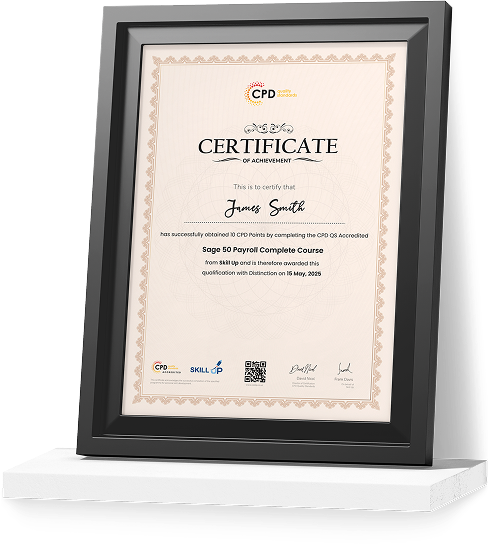
Earn Your Accredited Certificate with Transcript

Save 20% with the coupon code SKILL20
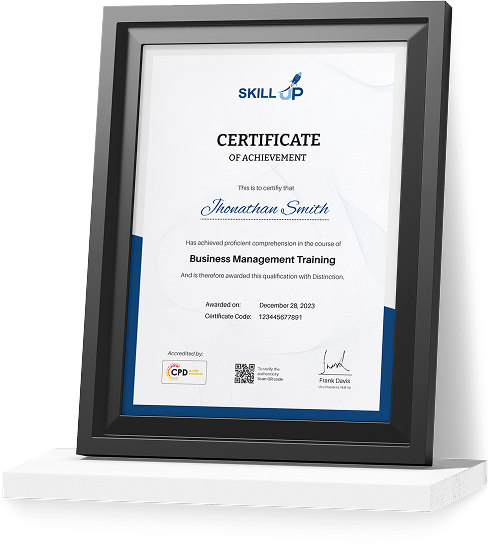
Show Your Certified Identity with a CPD-QS Certificate

Perfect for employers, clients, or academic verification.
Career Path

Frequently Asked Questions

A school administrator is responsible for the smooth running of a school’s day-to-day operations, including managing attendance records, handling communications with staff, pupils and parents, organising timetables and supporting teaching staff with administrative tasks. They also handle data entry, maintain school systems, and keep accurate records.

Most schools look for strong organisational, communication and IT skills (e.g., proficiency with management information systems and office software). Qualifications often include GCSEs in English and Maths and may include a Level 2 or 3 qualification in Business Administration or a related field, though exact requirements vary by school and local authority.

Typical responsibilities include:

– Liaising with staff, parents, pupils and external agencies

– Managing data and school records

– Preparing reports and correspondence

– Handling financial and budget records

– Supporting events and school activities

– General office duties (phones, emails, filing)

School administrators focus mainly on operational and clerical tasks that keep the school functioning efficiently, while senior leadership roles (like headteachers or school business managers) involve strategic planning, decision-making, and high-level management of school performance and policy.

With experience and additional training, a school administrator can progress to senior administrative positions, specialise in areas (e.g., data management or exams officer), or move into broader support roles such as School Business Manager, HR support, or other leadership functions within the education sector.

A School Administrator manages daily school operations such as attendance, safeguarding records, admissions and communication with parents, while the SENCO (Special Educational Needs Coordinator) oversees SEND provision, EHCPs, interventions and compliance with the SEND Code of Practice. AI-powered school management systems now support data tracking, pupil progress monitoring and automated reporting.

Yes. In UK state schools, SENCOs must achieve the National Award for SEN Coordination (NASENCO) within three years of appointment. Many roles also require experience in education, safeguarding training and knowledge of SEND legislation. AI-assisted learning platforms can help with CPD, compliance tracking and inclusive education planning.

AI tools are increasingly used for attendance analytics, behaviour tracking, SEND data management, personalised learning plans, and early identification of learning needs. SENCOs benefit from AI-driven assessment insights, while administrators use automation for timetabling, reporting and communication across UK school systems.

Yes. These roles are in high demand across UK primary, secondary and academy schools. Career progression includes Senior Administrator, Inclusion Manager, Lead SENCO or roles within local authorities. AI-supported professional development and online training courses make upskilling more accessible than ever.

Key skills include organisation, communication, safeguarding awareness, SEND knowledge, data handling and collaboration with external agencies. Digital literacy is also essential, as AI-enabled MIS systems, cloud-based documentation and automated compliance tools are now standard in UK schools.

In the UK, mainstream schools are legally required to have a Special Educational Needs Coordinator (SENCO). A school cannot operate effectively without one, as the SENCO is central to planning and supporting pupils with additional needs. While smaller schools may allow a headteacher to temporarily fulfil the role, dedicated SENCO training for early years or SENCO courses UK ensures schools comply with SEND Code of Practice.

A SEN administrator assists the SENCO by managing records, coordinating communication with parents, and supporting the delivery of inclusive learning. They handle documentation, timetabling, and safeguarding processes, ensuring compliance with legislation. SEN administrators often complete SENCO qualification online or SENCO training online to strengthen their contribution within school systems.

Yes, a teaching assistant can progress towards becoming a SENCO if they meet qualification requirements. While the statutory role requires Qualified Teacher Status (QTS), those in support positions may start with SENCO training for non teachers or assistant SENCO responsibilities. Many schools encourage progression through SENCO training online, giving assistants a pathway into leadership roles.

The school administrator manages the operational side of a school, including staff records, pupil admissions, safeguarding procedures, and financial administration. They also coordinate communication between leadership, teachers, and external agencies. A school administration and SENCO training course online helps individuals develop the expertise needed to balance organisational tasks with educational responsibilities.

No, a school administrator is not the same as a principal. In UK schools, the principal (or headteacher) is the senior leader responsible for overall academic performance and vision. The administrator, however, focuses on operations, compliance, and administration. Both roles are vital, and SENCO training courses UK often highlight how administrators support leadership teams.

The five key roles of a school administrator in the UK are:

1. Organising – managing timetables, records, and communication.

2. Supervising – supporting staff in administrative processes.

3. Safeguarding – ensuring pupil safety and compliance with regulations.

4. Managing resources – overseeing school premises and budgets.

5. Supporting inclusion – working alongside the SENCO to embed inclusive policies.

School administration and SENCO training courses provide comprehensive guidance to carry out these responsibilities effectively.

School Administration and SENCO Training Reviews

Excellent

5 / 5
Based on 16 reviews

98%

Would Recommend

1465

Certified Learners

100%

Authentic Reviews
Brendon

This SENCO training completely transformed my approach to SEND administration. Highly recommend for any school professional.

Sophie

A comprehensive and engaging course, added great value to my career progression.

Thompson

The course content was clear and very relevant. I feel confident leading inclusive practices at my school.

Curriculum