Overview
What makes FMCG brands grow faster than most industries? It comes down to speed, strategy, and consumer demand. The fast-moving consumer goods sector drives global retail across supermarkets, e-commerce, and international markets.
This fast moving consumer goods course is designed for learners entering the FMCG industry. It suits aspiring marketers, retail staff, and business learners. In addition, it supports anyone exploring an FMCG course or FMCG industry course for career growth and practical market understanding.
Through this FMCG training course online in the UK, you gain structured knowledge of how FMCG businesses operate. You will explore:
 ✓ FMCG marketing strategies.
✓ Sales and distribution systems.
✓ Retail and e-commerce operations.
✓ Global FMCG market trends
As a result, this FMCG marketing course builds strong industry awareness and job-ready understanding.
Course Description
This FMCG industry course explains how global consumer goods companies manage marketing, sales, and distribution in highly competitive environments. It focuses on how brands maintain visibility and demand in fast-moving markets.
The programme begins with FMCG fundamentals. In addition, it explains how companies position products and build strong consumer connections. This foundation is essential for anyone taking an FMCG marketing course or entering retail-focused roles.
Next, learners explore sales and distribution systems. These systems ensure products reach retailers, supermarkets, and online platforms efficiently. Consequently, you also understand core FMCG supply chain basics course principles that support product movement and availability.
Furthermore, the course examines retailing and e-commerce. This helps learners understand how digital platforms influence FMCG growth. It also highlights how consumer purchasing behaviour is changing across global markets.
In addition, international FMCG markets are covered to show how brands expand across borders. A dedicated case study on Coca-Cola demonstrates how global brands use marketing strategies to maintain dominance.
Finally, learners explore industry trends and future developments. Therefore, this FMCG business course prepares you for evolving market demands while strengthening long-term industry awareness. It also supports progression into an online FMCG training course pathway.
Learning Outcome
- Understand FMCG industry structure and global operations clearly.
- Analyse FMCG marketing course strategies and consumer behaviour patterns.
- Apply FMCG sales and distribution principles in real business contexts.
- Evaluate retail and e-commerce systems in FMCG environments.
- Demonstrate awareness of international FMCG market operations.
- Interpret FMCG supply chain basics and logistics flow effectively.
- Assess real-world FMCG branding strategies using case studies.
Who Is This Course For?
- Individuals starting a career in FMCG who need structured industry knowledge.
- Marketing learners seeking FMCG marketing course understanding.
- Retail professionals wanting to improve FMCG retail systems awareness.
- Sales staff aiming to build FMCG sales and distribution course skills.
- Business students exploring FMCG industry course pathways.
- Career changers entering retail and FMCG course opportunities
- Professionals aiming for FMCG certification course progression.
Certificate of Achievement
Earn Your Accredited Certificate with Transcript
Save 20% with the coupon code SKILL20
Show Your Certified Identity with a CPD-QS Certificate
Perfect for employers, clients, or academic verification.
Career Path
- FMCG Sales Executive (£22,000–£35,000) – Works closely with retailers, distributors, and suppliers to grow product sales within the fast moving consumer goods course sector. In addition, they track customer demand and support revenue growth through daily market insights.
- FMCG Marketing Executive (£25,000–£40,000) – Builds and executes FMCG marketing course campaigns across digital and retail channels. Moreover, they strengthen brand visibility, improve customer engagement, and support product positioning in competitive markets.
- Retail Category Assistant (£24,000–£38,000) – Focuses on pricing, shelf placement, and retail performance analysis. As a result, organisations improve product visibility and increase conversion at the point of sale within FMCG retail environments.
- Supply Chain Coordinator (£28,000–£45,000) – Supports FMCG supply chain basics course operations by managing stock movement, logistics planning, and distribution flow. Consequently, businesses maintain consistent product availability across retail and wholesale channels.
- Brand Executive (£30,000–£50,000) – Develops and supports FMCG business course strategies focused on brand identity, customer loyalty, and market positioning. Furthermore, they ensure consistent messaging across all consumer touchpoints.
- Export/Import FMCG Coordinator (£32,000–£55,000) – Handles international FMCG industry course operations, including documentation, compliance, and cross-border trade coordination. In addition, they support smooth global product distribution.
- FMCG Business Analyst (£35,000–£60,000+) – Analyses FMCG industry course data, consumer behaviour, and market trends. Therefore, businesses use their insights to refine strategy, improve efficiency, and strengthen long-term growth.
Frequently Asked Questions
Fast moving consumer goods include everyday products such as food, beverages, toiletries, cleaning supplies, and personal care items. These FMCG products are sold quickly and repeatedly, making them a core focus of any fast moving consumer goods course or FMCG industry course.
In the UK, FMCG refers to high-demand consumer products sold through retail and online channels. The FMCG sector is one of the largest employment areas. A structured FMCG course helps learners understand FMCG marketing, retail systems, and global distribution.
An FMCG training course online UK develops skills in FMCG marketing course strategies, FMCG sales and distribution course operations, retail management, and FMCG supply chain basics course knowledge. It also supports FMCG business course understanding for real-world industry roles.
Major FMCG companies include Nestlé, Unilever, Coca-Cola, and Procter & Gamble. These brands dominate international markets and are commonly studied in FMCG certification course programmes and FMCG industry course case studies.
Yes, FMCG is one of the most stable global industries. Careers in FMCG marketing, sales, and retail and FMCG course pathways offer strong job demand, long-term growth, and international opportunities across supply chains and brand management.
FMCG careers require skills in marketing, sales strategy, consumer behaviour, supply chain management, and retail analysis. A professional FMCG course builds these skills for entry into FMCG business course and industry roles.
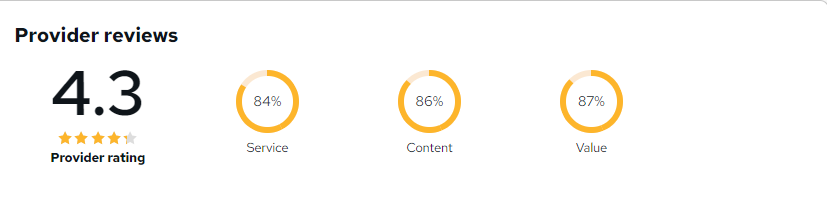
Fast-Moving Consumer Goods Reviews
Excellent
98%
Would Recommend145
Certified Learners100%
Authentic ReviewsA very informative course that gave me a clear understanding of how the FMCG industry operates.
Excellent content and easy to follow. The marketing strategy modules were particularly insightful.
Great introduction to FMCG. I now understand retail, distribution, and consumer behaviour much better.
Curriculum
-
Module 01: Introduction to FMCG Industry
00:07:00
-
Module 02: FMCG Marketing Strategies
00:08:00
-
Module 03: Sales and Distribution in FMCG
00:07:00
-
Module 04: Retailing and E-commerce in FMCG
00:06:00
-
Module 05: International FMCG Market
00:07:00
-
Module 06: FMCG Industry Trends and Future
00:09:00
-
Module 07: Case Study – Coca-Cola’s Marketing Strategy
00:07:00
-
Order Your Certificate

Offer Ends in
-
Duration:51 minutes
-
Access:1 Year
-
Units:8

9 Reviews

TAKE ALL COURSES FOR £99