
.png) 6 Reviews
6 Reviews 13 Students
 Financial Modelling Course Overview
 Financial Modelling Course Overview
 Course Description
Learning Outcome
 Learning Outcome
 Who Is This Course For?
 Who Is This Course For?
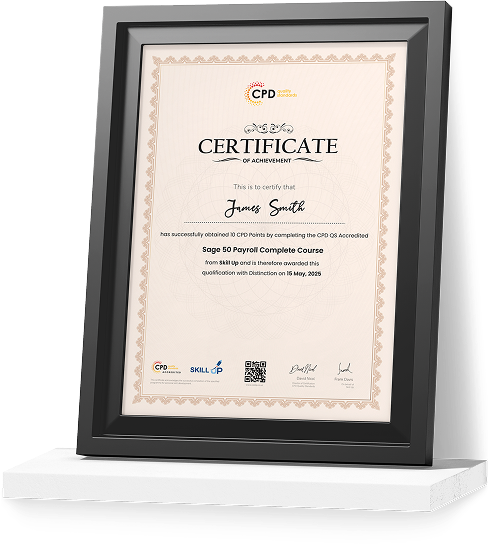
Certificate of Achievement
Earn Your Accredited Certificate with Transcript
Save 20% with the coupon code SKILL20
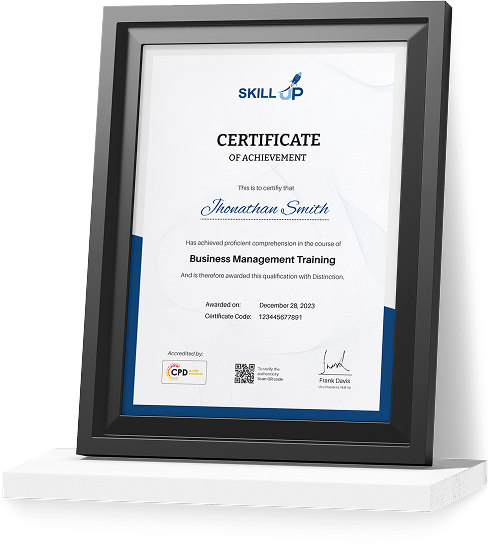
Show Your Certified Identity with a CPD-QS Certificate
Perfect for employers, clients, or academic verification.
Career Path
 Career Path
Financial Modelling for Decision Making and Business plan Reviews

A well-organised and highly valuable course with clear, easy-to-understand guidance throughout. I’ve gained knowledge that’s directly relevant to my day-to-day responsibilities. It’s given me greater confidence in applying these skills professionally.

Engaging content delivered in a straightforward and structured format. The examples were realistic and helped reinforce key concepts effectively. I would certainly recommend it to colleagues looking to upskill

Comprehensive, insightful and professionally presented from start to finish. The course materials were clear and well supported. A worthwhile investment for anyone serious about career development
Curriculum
-
Introduction to the course
00:02:00
-
Introducton to the Business Priocess
00:03:00
-
What is Financial Modelling
00:08:00
-
Starting Point of a Financial Model
00:04:00
-
First Steps before Starting to create Financial Model and Linking Business Model
00:07:00

 00:02:00
 -
Starting with End in Mind-Comparative P&L
00:13:00
-
Customer Acquisition Model
00:16:00
-
Revenue and Cost Models
00:22:00
-
Adding Product and Modelling Labour and Other Costs
00:21:00
-
Modelling Capital Investments and ROI Calc
00:10:00
-
Detailed Customer Acquisition Model and Revenue Model
00:17:00
-
Cost of Sale Model
00:08:00
-
Modelling Labour Cost
00:07:00
-
Modelling Other Operating Expenses
00:14:00
-
Modelling Income Statement and Cash Flows
00:27:00
-
Modelling Balance Sheet
00:14:00
-
Fixing the Error in Financial Model and Brief of RR
00:07:00
-
Financial Model for Business plan for New Business
-
Assignment – Financial Modelling for Decision Making and Business plan
-
Order Your Certificate

Offer Ends in

 TAKE ALL COURSES FOR £99
-
Duration:3 hours, 20 minutes
-
Access:1 Year
-
Units:20