Overview
Fire Warden (Marshal) Training course leads you to the heart of fire marshal training, equipping you with essential knowledge from fundamentals to advanced protocols. Beginning with fire safety basics and moving through regulation and evacuation strategies, this training ensures you become a capable fire warden marshal. Through this fire warden training, delegates acquire both theoretical insight and procedural awareness, enabling them to fulfil fire marshal training requirements UK, whether for construction, workplace or public settings.
Course Description
Picture a workplace where every employee knows exactly what to do in the face of fire—calm, coordinated, and confident. That’s the environment this Fire Warden (Marshal) Training course helps you create. Designed for those seeking accredited fire warden training, this comprehensive learning journey goes far beyond theory. From understanding the origins of fire to mastering prevention and evacuation, it prepares you to protect both people and property with assurance.
Through seven structured modules, this fire marshal training online course covers every essential element—from the basics of fire safety to regulations and risk assessment. You’ll explore the crucial role of a fire warden marshal, develop preventive and emergency response duties, and study effective evacuation strategies that meet fire marshal training requirements UK. This progression ensures you are fully equipped to manage emergencies and implement fire safety measures in diverse settings, including offices, warehouses, and fire marshal training construction environments.
Whether you’re stepping into safety management or enhancing existing responsibilities, this fire warden marshal training online ensures you’re prepared for real-life situations. The course empowers you to take swift, decisive action, minimising hazards and leading others to safety. By the end, you’ll not only meet fire marshal training requirements UK, but exceed them—earning respect as a trusted safety leader capable of upholding the highest fire protection standards.
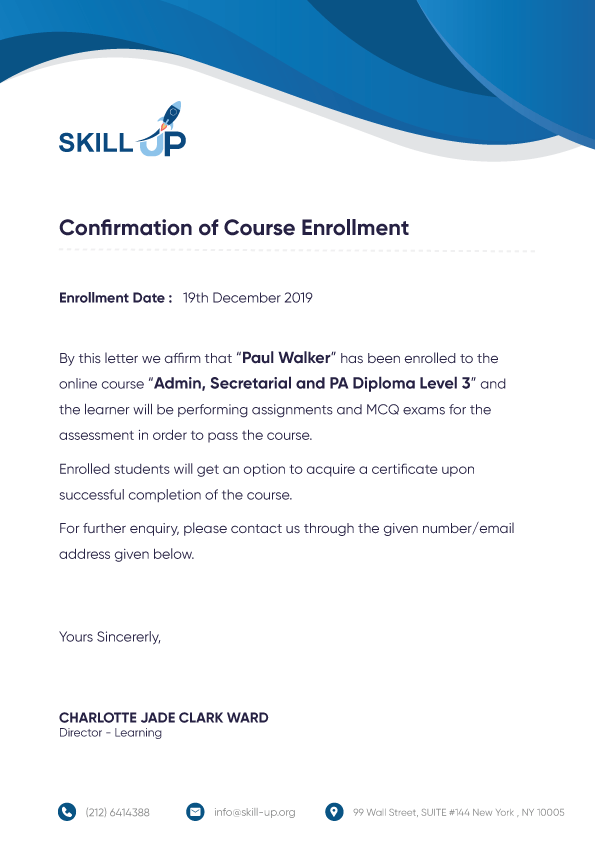
Free Enrolment Letter Included
Learning Outcome
- Demonstrate the duties and responsibilities associated with fire warden training roles.
- Apply risk assessment and regulatory standards in realistic scenarios.
- Design evacuation plans and execute safe egress in emergencies.
- Enforce preventive strategies to reduce ignition and spread.
- Coordinate with emergency services and oversee fire safety measures.
Who Is This Course For?
- Personnel required to complete fire marshal training requirements UK in their organisation
- Site workers on construction or industrial projects needing fire marshal training construction
- Office administrators or facility staff seeking fire warden marshal training certification
- Health and safety teams mandated to complete fire warden marshal training online
- Individuals responsible for routine fire safety inspections under fire marshal training mandates
Career Path
- Fire Safety Officer: Oversees compliance, audits, training; £45,000 – £55,000
- Fire Warden Coordinator: Manages multiple wardens, scheduling; £42,000 – £50,000
- Emergency Planning Officer: Drafts plans, drills, crisis response; £48,000 – £60,000
- Health & Safety Manager: Integrates fire with broader safety; £50,000 – £65,000
- Compliance Advisor: Fire Advises enterprises on fire law adherence; £45,000 – £58,000
Frequestly Asked Questions
A Fire Warden, also known as a Fire Marshal, plays a vital role in workplace fire safety. Their main duties include identifying fire hazards, ensuring fire exits are clear, maintaining fire equipment, and leading safe evacuations during emergencies. They also conduct fire drills, assist with risk assessments, and educate staff about fire safety procedures. In the UK, every workplace is legally required to have designated Fire Wardens to comply with the Regulatory Reform (Fire Safety) Order 2005.
No, a Fire Warden is not a firefighter. Fire Wardens are trained employees responsible for managing fire safety within a workplace, not for extinguishing fires. Their role focuses on prevention, evacuation, and ensuring everyone’s safety until the emergency services arrive. Firefighters, on the other hand, are professionally trained and equipped to combat fires and perform rescues.
During a fire emergency, a fire warden plays a vital leadership role in guiding people to safety. They issue clear and calm instructions such as:
– “The fire alarm has sounded. Please evacuate the building immediately via the nearest available fire exit.”
– “Please remain calm and walk to the designated fire assembly point.”
– “Do not use the lifts.”
– “Leave all your personal belongings behind.”
– “Close doors and windows as you leave, if safe to do so.”
Their duty is to ensure an orderly evacuation, assist those who need help, and make sure no one re-enters until authorised by the fire service or a senior manager.
A fire warden’s calm communication is the key to a safe and efficient evacuation.
At the fire assembly point, the fire warden or marshal must report the evacuation status.
Typical statements include:
– “All clear from [Floor/Area Name]. Everyone is accounted for.”
– “We have [number] people missing from [Area Name]. Last known location was [location].”
They also remind everyone to stay back from the building and keep roads clear for emergency services. This ensures accurate reporting and swift coordination with the UK Fire and Rescue Service.
Outside emergencies, fire wardens have ongoing duties to maintain workplace fire safety.
Examples of proactive communication include:
– “Please ensure this fire door is not wedged open.”
– “The escape route here is blocked; please move these items immediately.”
– “Remember, fire safety is everyone’s responsibility.”
– “We’ll be conducting a fire drill next Tuesday at 10 AM. Please familiarise yourselves with the evacuation plan.”
They also monitor fire safety equipment, such as fire extinguishers, and report any issues to management. This approach supports compliance with the UK Fire Safety Order 2005.
Yes. In many UK organisations, the fire warden and fire marshal roles are combined. Both positions share similar responsibilities—ensuring evacuation, assisting staff, performing area sweeps, and communicating with the fire and rescue team.
What matters most is that the appointed person has received approved fire safety training and can act confidently and responsibly in emergencies.
A fire marshal (sometimes called a senior fire warden) takes charge of overall fire safety coordination. They supervise evacuation drills, monitor fire hazards, ensure fire equipment is maintained, and liaise with emergency services.
They are also responsible for accountability at the assembly point and maintaining evacuation checklists.
As Sir Ken Knight, former Chief Fire and Rescue Adviser, stated: “Calm leadership saves lives in chaos.” This quote reflects the essence of the fire marshal’s leadership role.
Yes — anyone can become a fire warden or fire marshal, provided they receive recognised fire safety training.
Employers are legally required to appoint and train competent people to assist in fire safety and evacuation.
Fire warden training courses in the UK are open to staff from all departments and usually include evacuation procedures, fire prevention awareness, and use of fire extinguishers.
In the UK, the average salary for a fire marshal or fire safety officer typically ranges from £25,000 to £40,000 per year, depending on experience, location, and the size of the organisation.
Senior or specialist roles within local authorities or corporate environments can exceed £45,000 annually.
Those working in fire safety management or consultancy often earn higher salaries due to increased responsibility and qualifications.
A fire evacuation procedure outlines the step-by-step actions taken when a fire alarm sounds.
This includes:
– Evacuating calmly via the nearest fire exit.
– Avoiding lifts.
– Assembling at a designated meeting point.
– Reporting to a fire warden or marshal.
– Not re-entering the building until declared safe.
The process ensures everyone’s safety and full accountability in line with UK workplace fire safety regulations.
Calm communication prevents panic and confusion during a crisis. A fire warden must speak clearly, confidently, and firmly, ensuring that people follow directions efficiently.
As Sir Ken Knight advised, maintaining a composed tone can “turn chaos into control.”
In every emergency, calm and confident communication from a trained fire warden is the difference between chaos and control.
Fire safety training equips wardens and employees with the knowledge to act quickly and effectively during an emergency.
It covers the use of extinguishers, identification of escape routes, alarm activation procedures, and assisting vulnerable individuals. Trained staff are better prepared to prevent fires, lead evacuations, and protect lives—making workplaces compliant and safer under UK fire safety law.
Under the Regulatory Reform (Fire Safety) Order 2005, UK employers must appoint competent individuals as fire wardens or marshals. They are responsible for maintaining evacuation routes, conducting fire drills, and ensuring safety procedures are followed. Failure to comply with fire safety regulations can result in legal penalties, so fire warden training is essential for workplace compliance.
In practice, the terms fire warden and fire marshal are often used interchangeably in the UK.
However, some organisations distinguish between them:
– A Fire Warden focuses on assisting during evacuations and checking specific areas.
– A Fire Marshal (or senior warden) oversees multiple wardens and reports directly to management or emergency services.
Both are crucial for effective fire safety management.
1. Maintain calm and authority during emergencies.
2. Communicate clearly and instructively.
3. Ensure all persons evacuate safely.
4. Report missing persons accurately.
5. Keep fire routes, equipment, and doors unobstructed daily.
A trained fire warden is not just a responder—they are a leader in workplace safety, awareness, and prevention.
A Fire Warden’s responsibilities include:
– Checking that fire exits and routes remain unobstructed.
– Ensuring fire alarms and extinguishers are functional.
– Assisting in fire drills and emergency evacuations.
– Reporting potential fire hazards to management.
– Keeping records of safety checks and training sessions.
Their primary goal is to protect lives by promoting a culture of fire safety awareness in the workplace.
Another common name for a Fire Warden in the UK is Fire Marshal. Both titles refer to the same role and carry identical responsibilities under UK fire safety law. Some organisations prefer one term over the other, but both focus on preventing fires and ensuring safe evacuation procedures.
Yes, UK law requires workplaces to appoint Fire Wardens under the Regulatory Reform (Fire Safety) Order 2005. The number of Fire Wardens needed depends on the size, layout, and risk level of the premises. For example, offices with high occupancy or complex layouts may need several wardens per floor. Having trained Fire Wardens is essential for legal compliance and employee safety.
In the UK, common slang terms for firefighters include “firey,” “fireman,” or “firefighter” (the most gender-neutral and widely accepted term). While “firey” is more informal and often used in conversation, the professional title remains “firefighter.” Fire Wardens, however, are not referred to by these terms since their duties differ from operational firefighting.
In the UK, the terms fire warden and fire marshal are often used interchangeably, but their roles can slightly differ depending on the workplace. Both are responsible for ensuring fire safety procedures are followed, but a fire warden typically focuses on preventive safety checks and fire drills, while a fire marshal often takes charge during an actual evacuation or emergency. In many organisations, the roles are combined to streamline fire safety responsibilities.
In short, both positions share the same goal—protecting lives and ensuring a safe evacuation in case of fire.
Earning £300,000 per year in the UK is rare but achievable in certain high-level professions. These include surgeons and medical consultants, law firm partners, investment bankers, hedge fund managers, CEOs of large corporations, and senior technology executives. Some entrepreneurs and business owners also reach or exceed this income depending on company success. Such roles require years of experience, advanced qualifications, and often leadership in high-pressure industries.
Top UK earners usually work in senior medical, financial, or executive positions commanding high responsibility and expertise.
Curriculum
-
Introduction
00:01:00
-
Basics of Fire Safety
00:09:00
-
Introduction to Fire Warden
00:14:00
-
Preventive Duties
00:47:00
-
Emergency Duties and Qualities
00:32:00
-
Fire Safety Measures
00:13:00
-
Evacuation Strategies
00:06:00
-
Regulations and Risk Assessment
00:10:00
-
Conclusion
00:01:00
-
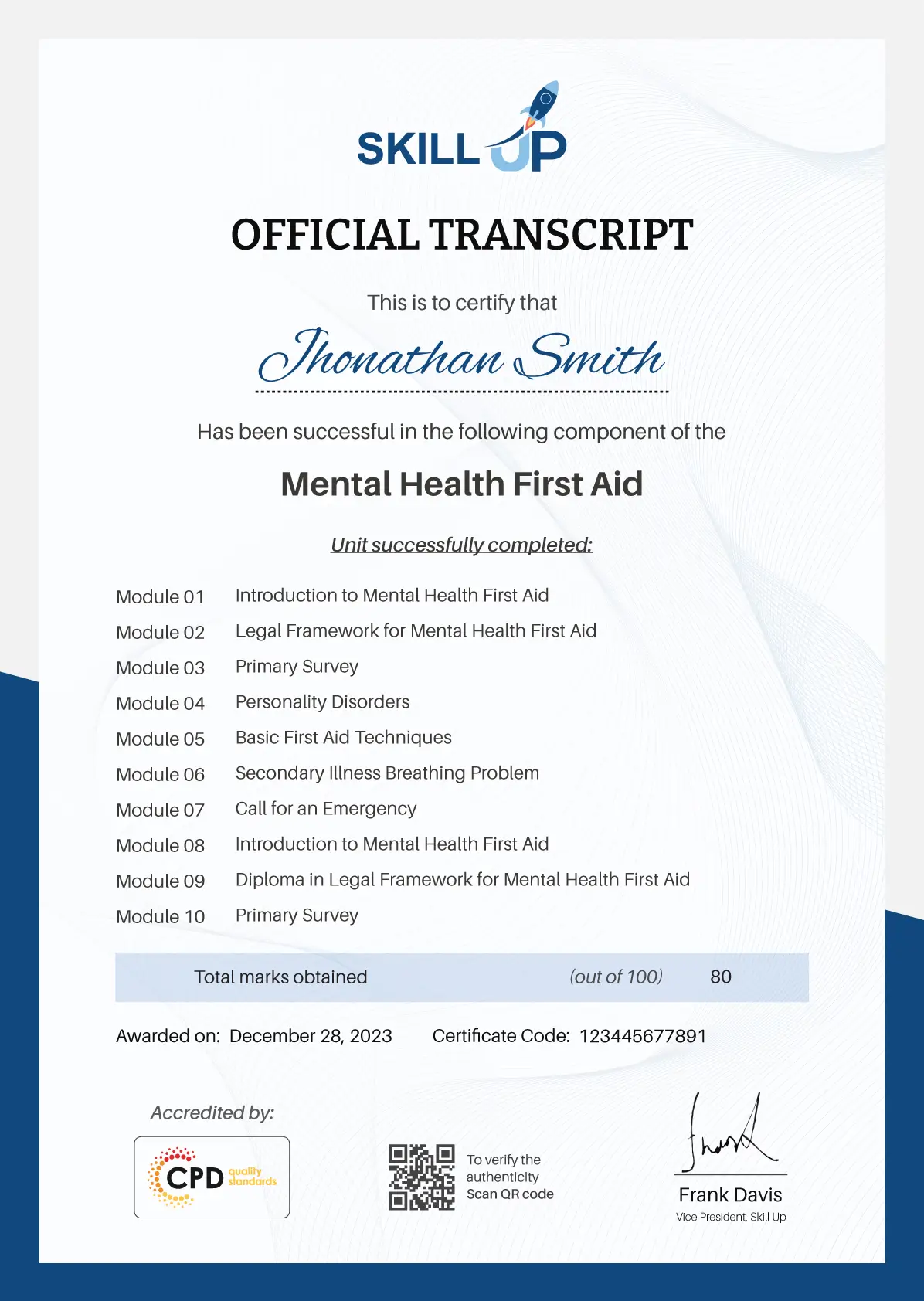
Get Your CPD Certificate
00:01:00
Offer Ends in
-
Duration:2 hours, 14 minutes
-
Access:1 Year
-
Units:10

1 Reviews
All
Courses for £49