GIFT
Level 3 Paediatric First Aid Training
Level 3 Paediatric First Aid Training provides essential knowledge for handling emergencies involving infants and children. Through this level 3 paediatric first aid course online, learners explore assessment methods, essential equipment, CPR techniques, and treatment for common illnesses, injuries, and medical conditions. This paediatric first aid course also includes psychological first aid for children and guidance on emergency communication. Designed to prepare learners for both professional and personal childcare roles, the level 3 paediatric first aid training online enhances confidence in responding to emergencies calmly and effectively while prioritising the child’s wellbeing.
Following Courses are Included With This Course (For Free) - Limited Time!
GIFT
GIFT
First Aid at Work
Course Description
When a child’s health takes a sudden turn, every second counts. The Level 3 Paediatric First Aid Training equips learners with the ability to act decisively in those critical moments. Through engaging online modules, this paediatric first aid course online builds the competence required to handle emergencies—from loss of consciousness and CPR to dealing with fractures, allergic reactions, and acute medical conditions.
Moreover, this level 3 paediatric first aid course online covers both the physical and emotional needs of children during emergencies. It teaches how to comfort, stabilise, and support young patients while maintaining safety. Learners also explore environmental injuries, infection control, and the importance of clear communication during emergencies.
Completing this level 3 paediatric first aid training online not only strengthens your caregiving capacity but also enhances your employability within childcare, education, and healthcare environments. With comprehensive, accessible lessons, this paediatric first aid course empowers individuals to protect children’s lives confidently and compassionately.
Learning Outcome
- Identify early signs of paediatric medical distress and apply suitable first aid responses.
- Perform CPR and manage breathing emergencies specific to infants and children.
- Respond effectively to injuries, burns, fractures, and allergic reactions.
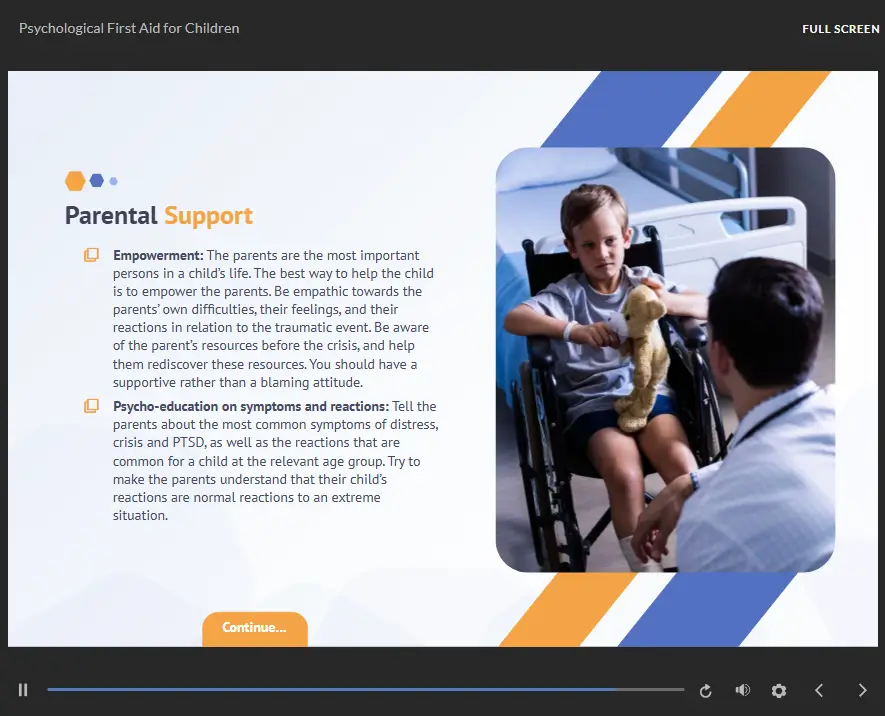
- Apply psychological first aid techniques to support children emotionally after trauma.
- Communicate efficiently during emergencies and ensure prompt professional assistance.
Who Is This Course For?
- Childcare providers and nursery assistants seeking advanced first aid certification.
- Teachers and school support staff responsible for child welfare.
- Parents and guardians wishing to prepare for paediatric emergencies.
- Sports coaches and youth activity leaders who supervise children.
- Healthcare support workers aiming to enhance paediatric safety knowledge.
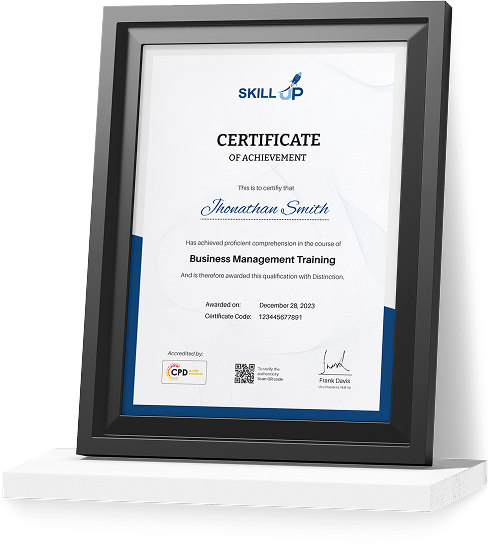
Certificate of Achievement
Earn Your Accredited Certificate with Transcript
Save 20% with the coupon code SKILL20
Career Path
- Paediatric First Aider – Provides first aid and emergency care in childcare settings. Average Salary: £40,000 – £45,000 per year
- Nursery Manager – Oversees childcare centres ensuring health and safety compliance. Average Salary: £42,000 – £48,000 per year
- School Health Officer – Supports student health and emergency care protocols. Average Salary: £44,000 – £50,000 per year
- Childcare Supervisor – Leads teams in ensuring children’s wellbeing and safety. Average Salary: £41,000 – £47,000 per year
- Safeguarding Coordinator – Implements child protection and emergency policies. Average Salary: £43,000 – £52,000 per year
- Paediatric Care Trainer – Educates others in child safety and first aid practices. Average Salary: £45,000 – £55,000 per year
Frequestly Asked Questions
Paediatric first aid refers to the immediate medical care given to infants and children during an emergency before professional help arrives. It focuses on treating injuries, illnesses, and life-threatening conditions specific to young children—such as choking, allergic reactions, burns, fractures, and CPR for babies and toddlers. In the UK, paediatric first aid training is essential for childcare providers, teachers, and parents, helping them stay calm and act quickly in emergencies.
The 3 Ps represent the primary aims of paediatric first aid:
1. Preserve life – Take steps to keep the child alive, such as performing CPR or stopping bleeding.
2. Prevent worsening – Protect the child from further harm by stabilising injuries or removing danger.
3. Promote recovery – Support the child’s healing until professional medical help arrives.
These principles guide every first aider to respond quickly and effectively in paediatric emergencies.
SEO Keywords: 3 Ps of paediatric first aid, paediatric first aid principles
The 5 P’s of first aid extend the basic principles and are often taught in UK first aid courses:
– Preserve life
– Prevent worsening
– Promote recovery
– Protect yourself and the casualty – Ensure safety for both the responder and the child.
– Provide reassurance – Comfort and calm the child to reduce panic and stress.
These steps ensure a safe, organised, and effective response during emergencies.
A paediatric first aid kit should include supplies tailored to the needs of babies and children. A complete kit for UK childcare settings or homes should contain:
1. Sterile gauze pads and bandages
2. Adhesive plasters of various sizes
3. Disposable gloves
4. Tweezers and scissors
5. Antiseptic wipes
6. Cold packs
7. CPR face shield or mask
8. Burn gel and dressings
9. Thermometer
10. Emergency contact information and a first aid manual
Regularly check and replace expired or used items to keep your kit ready for emergencies.
The 7 key principles of first aid form the foundation of effective emergency response:
1. Assess the situation – Check for danger and ensure safety.
2. Protect yourself and others – Avoid unnecessary risks.
3. Provide early help – Act quickly to prevent escalation.
4. Call for professional help – Dial 999 or 112 if needed.
5. Provide appropriate care – Follow first aid steps suited to the child’s condition.
6. Stay calm and reassuring – Keep the child and bystanders composed.
7. Monitor the casualty – Continue observation until medical help arrives.
An emergency kit for children should be comprehensive, covering both medical and comfort needs. Include:
Adhesive plasters
Sterile gauze pads
Bandages and tape
Thermometer
Tweezers
Safety pins
Disposable gloves
Antiseptic wipes
Burn gel
Cold pack
Small scissors
Pain relief suitable for children (e.g., Calpol)
Rehydration salts
Cotton wool or pads
CPR face mask
Blanket
Hand sanitiser
Emergency contact list
Flashlight with batteries
Water bottle and small snacks
This kit ensures you’re prepared for common injuries and emergencies when caring for children.
Curriculum
-
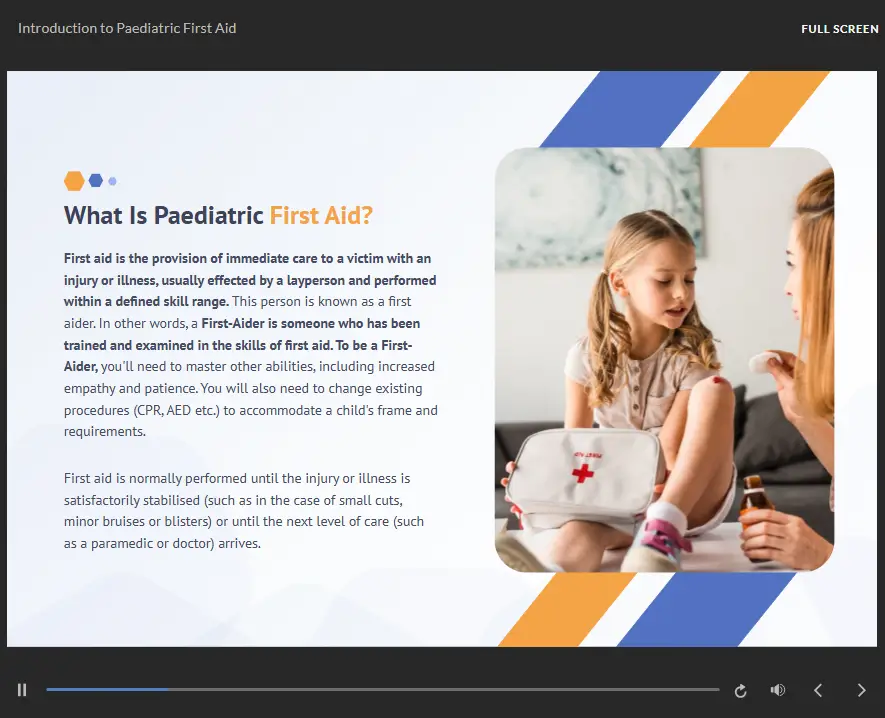
Introduction to Paediatric First Aid
00:20:00
-
Assessment and Assistance
00:31:00
-
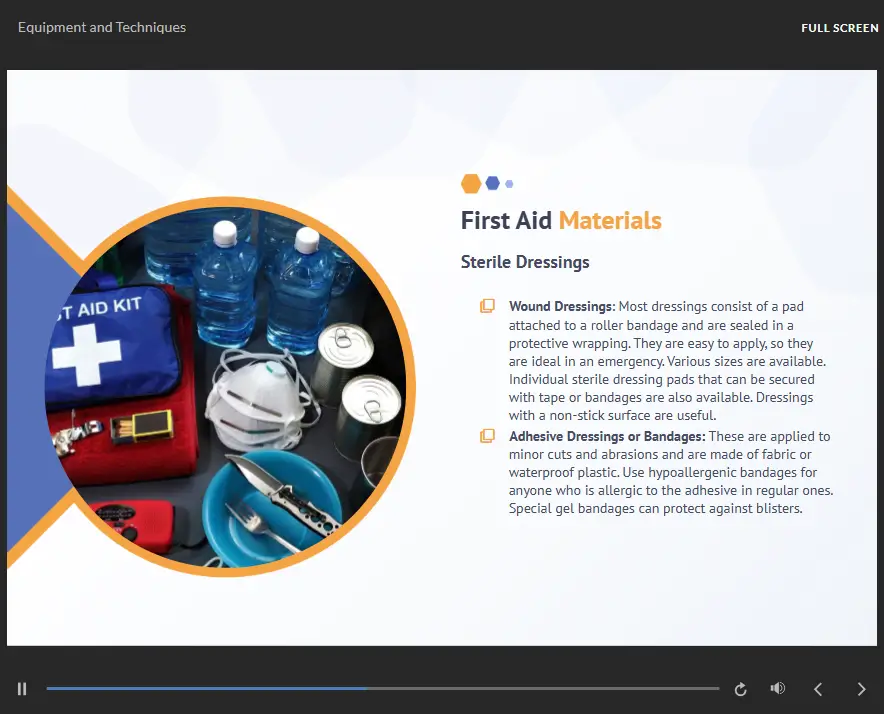
Equipment and Techniques
00:29:00
-
Loss of Responsiveness and CPR
00:33:00
-
Paediatric First Aid for Common Illnesses
00:20:00
-
Paediatric First Aid for Common Injuries and Incidents
00:41:00
-
First Aid for Acute Medical Conditions
00:26:00
-
Environmental Injuries
00:19:00
-
Caring for Children
00:26:00
-
Psychological First Aid for Children
00:26:00
-
Things to Keep in Mind
00:18:00
-
Call for an Emergency
00:16:00
-
Get Your CPD Certificate
00:01:00
Offer Ends in
-
Duration:5 hours, 6 minutes
-
Access:1 Year
-
Units:13

6 Reviews
All
Courses for £49