
.png) 7 Reviews
7 Reviews 15 Students

 Overview
Course Description
 Learning Outcome
 Learning Outcome
 Course media
Who Is This Course For?
 Who Is This Course For?
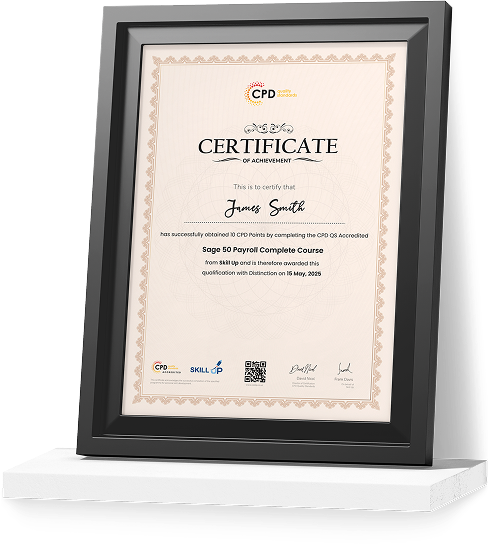
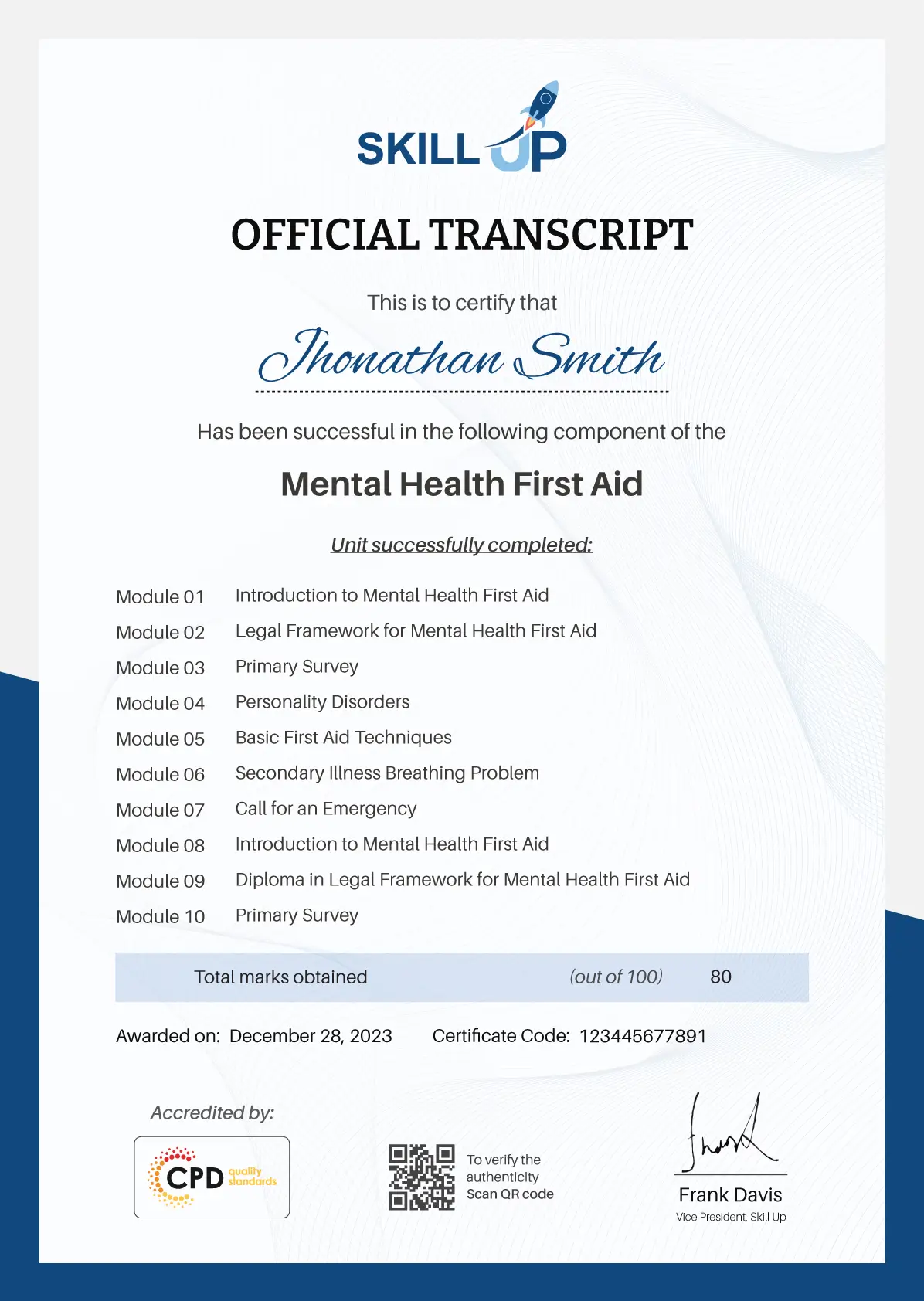
Certificate of Achievement
Earn Your Accredited Certificate with Transcript
Save 20% with the coupon code SKILL20
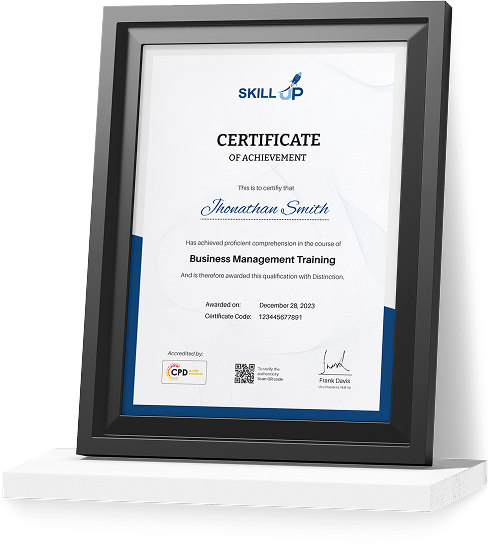
Show Your Certified Identity with a CPD-QS Certificate
Perfect for employers, clients, or academic verification.
Career Path
 Career Path
Organic Chemistry Demystified Training Reviews

A well-organised and highly valuable course with clear, easy-to-understand guidance throughout. I’ve gained knowledge that’s directly relevant to my day-to-day responsibilities. It’s given me greater confidence in applying these skills professionally.

Engaging content delivered in a straightforward and structured format. The examples were realistic and helped reinforce key concepts effectively. I would certainly recommend it to colleagues looking to upskill

Comprehensive, insightful and professionally presented from start to finish. The course materials were clear and well supported. A worthwhile investment for anyone serious about career development
Curriculum
-
Introduction
00:02:00

 00:02:00
 -
How to read bond-line drawings
00:18:00
-
How to draw bond-line drawings
00:18:00
-
Identifying formal charges
00:22:00
-
Finding lone pairs that are not drawn
00:23:00
-
What is resonance?
00:05:00
-
Drawing resonance structures (part 1)
00:40:00
-
Formal charges in resonance structures
00:19:00
-
Drawing resonance structures (part 2)
00:25:00
-
Recognizing patterns
00:30:00
-
The relative importance of resonance structures
00:19:00
-
Introduction to acid-base reactions
00:03:00
-
Charged atoms
00:08:00
-
Resonance
00:11:00
-
Induction
00:09:00
-
Orbitals
00:03:00
-
Charged atoms – Resonance – Induction – Orbitals
00:07:00
-
Showing an acid-base mechanism
00:14:00
-
Acid-Base equilibrium position
00:06:00
-
Orbitals
00:03:00
-
Goemetry of orbitals
00:15:00
-
Impact of resonance on geometry
00:01:00
-
Introduction to Nomenclature
00:03:00
-
Functional group
00:07:00
-
Unsaturation
00:04:00
-
Parent
00:06:00
-
Substituents
00:10:00
-
“cis” – “trans” stereoisomerism
00:04:00
-
“cis” – “trans” stereoisomerism
00:04:00
-
Localizing substituents in parent chain
00:12:00
-
From structure to name
00:20:00
-
Introduction to conformations
00:02:00
-
Newman projection
00:10:00
-
Relative stability of Newman projections
00:08:00
-
Drawing chair conformations
00:02:00
-
Drawing substituents in chair conformations
00:12:00
-
Ring flipping
00:10:00
-
Comparing stability of chair conformations
00:10:00
-
Introduction to configurations
00:01:00
-
Locating stereocenters
00:04:00
-
Determining the configuration of a stereocenter
00:18:00
-
Nomenclature
00:12:00
-
Enantiomers
00:08:00
-
Diastereomers
00:05:00
-
Meso compounds
00:04:00
-
Fischer projections
00:11:00
-
Introduction to mechanisms
00:02:00
-
Nucleophiles and electrophiles
00:09:00
-
Arrows used for mechanisms
00:14:00
-
Carbocation
00:15:00
-
SN1 SN2 mechanisms
00:10:00
-
Factor #1: the electrophile
00:06:00
-
Factor #2: the nucleophile
00:04:00
-
Factor #3: the leaving group
00:04:00
-
Factor #4: the solvent
00:05:00
-
Combining all 4 factors
00:10:00
-
Introduction to elimination reactions
00:02:00
-
E2 mechanism
00:20:00
-
E1 mechanism
00:08:00
-
Introduction to substitution vs elimination
00:03:00
-
Determining the function of the reagent
00:04:00
-
Identifying the mechanism(s)
00:11:00
-
Predicting regiochemical and stereochemical outcomes
00:16:00
-
Introduction to addition reactions
00:01:00
-
Regiochemisty
00:05:00
-
Stereochemistry
00:18:00
-
Hydrogenation: adding H-H
00:07:00
-
Hydrohalogenation: adding hydrogen halide, H-X
00:09:00
-
Hydrobromination : adding H-Br
00:09:00
-
Hydration: adding H-OH
00:12:00
-
Adding Br and Br
00:05:00
-
Halohydrin formation: adding Br and OH
00:08:00
-
“Anti” dihydroxylation: adding OH and OH
00:07:00
-
“syn” dihydroxylation : adding OH and OH
00:04:00
-
Ozonolysis
00:03:00
-
Reactions summary
00:01:00
-
One-step synthesis
00:03:00
-
Combining reactions: changing the position of a double bond
00:10:00
-
Combining reactions: changing the position of a double bond
00:10:00
-
Combining reactions: introducing functionality
00:03:00
-
Thank you for enrolling and announcing part 2
00:01:00
-
Order Your Certificate
Offer Ends in

 TAKE ALL COURSES FOR £99

-
Duration:12 hours, 27 minutes
-
Access:1 Year
-
Units:82