Pharmacology Training
Understanding pharmacology is vital for anyone working in healthcare, as it directly supports safe and effective patient care. This CPD-accredited Pharmacology course is designed to give a clear and practical understanding of core pharmacology principles, the drug development process, and how medicines affect different systems of the body. Whether you are a healthcare professional aiming to strengthen your knowledge or a student preparing for a career in healthcare, this course provides the essential knowledge and skills needed for confident and effective pharmacological practice.
Course Description
The Pharmacology course covers a broad range of topics, from core pharmacology principles to neuropharmacology, cardiovascular pharmacology, and chemotherapy. It explains how drugs work in the body, how medicines are developed and regulated, and how they are used to treat different medical conditions. The course also explores inflammation, immune pharmacology, and toxicology, giving you a clear and practical understanding of the full range of pharmacological treatments.
Pharmacology is a vital part of modern healthcare. With the global pharmaceutical market expected to reach £1.3 trillion by 2023, the demand for healthcare professionals who understand drug interactions, development, and regulation continues to grow. This CPD-accredited course provides the knowledge needed to stay up to date with pharmaceutical practice, helping you make informed decisions and support safe, effective patient care.
Learning Outcome
- Understand how drugs work in the body and how the body processes medicines
- Learn how drugs are developed, tested, and approved
- Explore how medicines affect the nervous system
- Understand drugs used to treat heart disease and high blood pressure
- Learn how hormone-related conditions are treated
- Gain basic knowledge of cancer drug treatments
Who Is This Course For?
- Learn the fundamental principles of pharmacology, including how drugs interact with the body
- Understand the drug development process and how medicines are tested, approved, and regulated
- Explore neuropharmacology and how drugs affect the nervous system
- Study cardiovascular pharmacology, focusing on medicines used to treat heart and blood vessel conditions
- Understand endocrine pharmacology and the role of hormones in drug action
- Learn about chemotherapy and the use of drugs in cancer treatment
- Explore inflammation and immune pharmacology and their role in treating disease
Certificate of Achievement
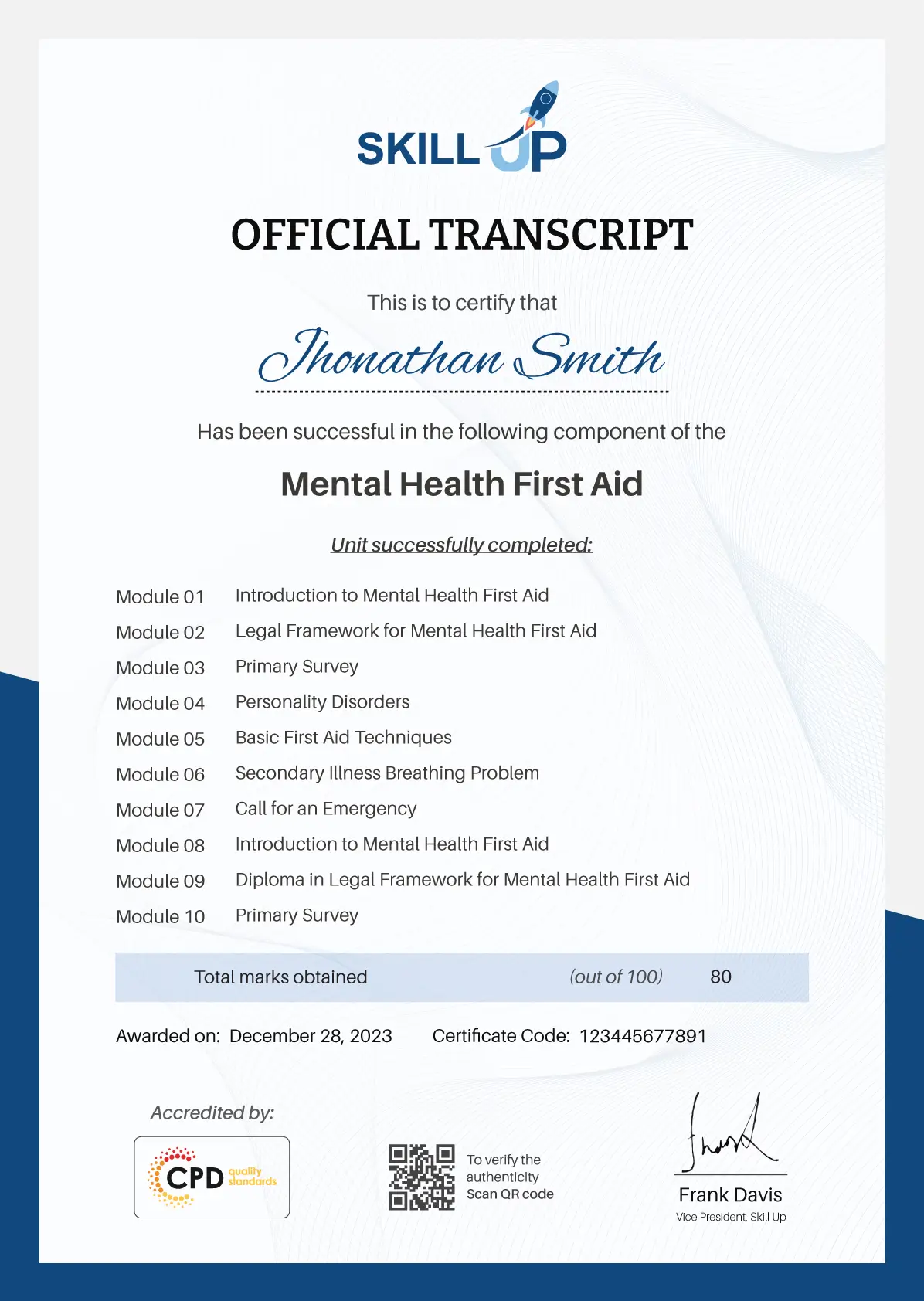
Earn Your Accredited Certificate with Transcript
Save 20% with the coupon code SKILL20
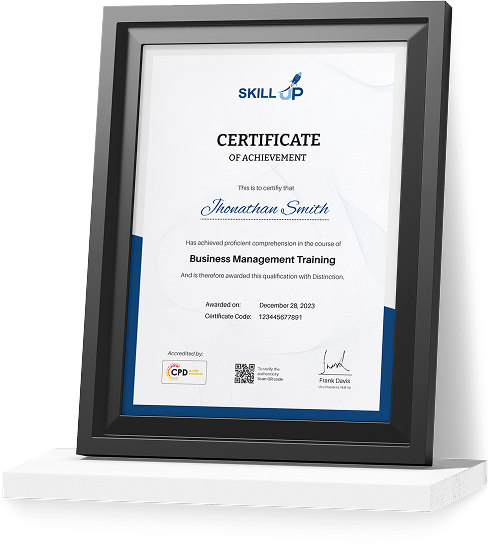
Show Your Certified Identity with a CPD-QS Certificate
Perfect for employers, clients, or academic verification.
Career Path
- Pharmacist – £30,000 to £50,000 annually. Provide expert advice on medicines, correct dosage, and drug interactions to patients and healthcare teams.
- Clinical Researcher – £30,000 to £55,000 annually. Carry out research on the safety and effectiveness of new medicines through clinical trials and studies.
- Pharmaceutical Scientist – £35,000 to £60,000 annually. Develop and test new pharmaceutical drugs in laboratory and clinical environments.
- Healthcare Assistant – £18,000 to £22,000 annually. Support healthcare staff by helping with medication administration and patient care.
- Medical Sales Representative – £25,000 to £40,000 annually. Promote pharmaceutical products and educate healthcare professionals on their benefits and use.
Frequestly Asked Questions
Pharmacology is the study of how medicines work in the body. It is essential in healthcare because it helps professionals use drugs safely, effectively, and correctly to treat diseases and manage patient care.
Pharmacology knowledge can lead to careers such as pharmacist, clinical researcher, pharmaceutical scientist, healthcare assistant, and medical sales representative within the UK healthcare and life sciences sector.
Pharmacology helps healthcare professionals understand drug actions, side effects, interactions, and correct dosages, reducing medication errors and improving patient safety.
Yes, pharmacology is valuable for non-clinical roles such as clinical research, pharmaceutical sales, regulatory work, and drug development, where understanding medicines is essential.
Most roles in the UK pharmaceutical industry require at least basic pharmacology knowledge to ensure compliance, drug safety, and effective communication with healthcare professionals.
Curriculum
-
Fundamental Principles of Pharmacology
00:24:00
-
Drug Development and Regulation
-
Neuropharmacology
00:16:00
-
Cardiovascular Pharmacology
00:22:00
-
Endocrine Pharmacology
00:23:00
-
Chemotherapy
00:20:00
-
Inflammation and Immune Pharmacology
00:15:00
-
Toxicology
00:18:00
-
Feedback
00:01:00
-
Get Your CPD Certificate
00:01:00
Offer Ends in
-
Duration:2 hours, 20 minutes
-
Access:1 Year
-
Units:10

7 Reviews
All
Courses for £49