
.png) 2 Reviews
2 Reviews 2 Students
 Real Estate Agent and Property Developer Complete Training
Course Description
 Learning Outcome
Course media
 Who Is This Course For?
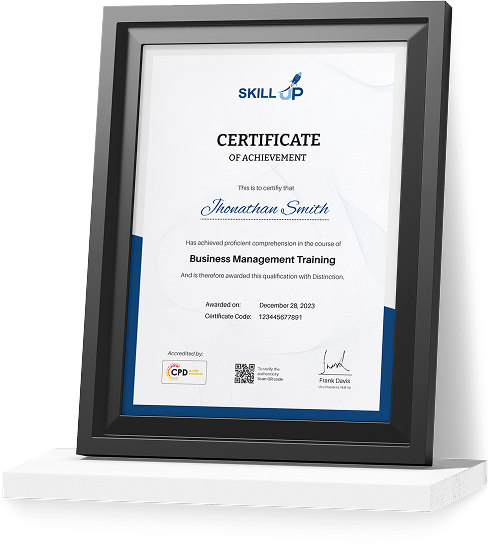
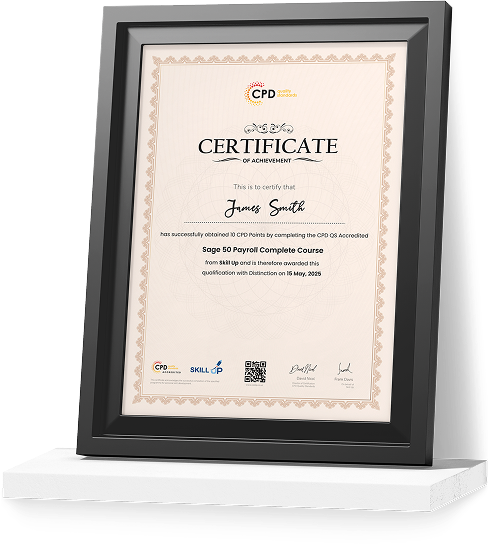
Certificate of Achievement
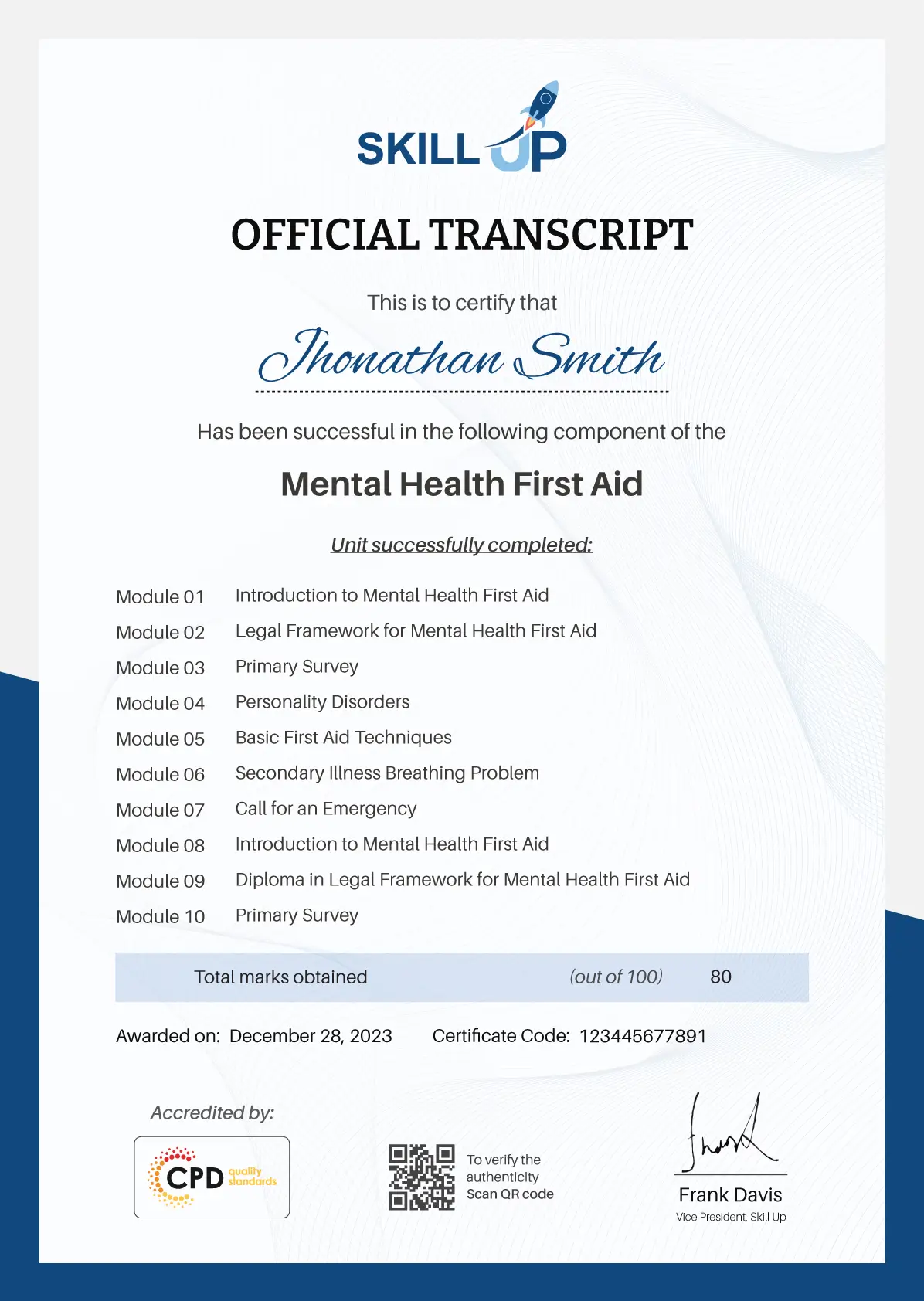
Earn Your Accredited Certificate with Transcript
Save 20% with the coupon code SKILL20
Show Your Certified Identity with a CPD-QS Certificate
Perfect for employers, clients, or academic verification.
 Career Path
Frequestly Asked Questions
Real Estate Agent and Property Developer Complete Training Reviews

A well-organised and highly valuable course with clear, easy-to-understand guidance throughout. I’ve gained knowledge that’s directly relevant to my day-to-day responsibilities. It’s given me greater confidence in applying these skills professionally.

Engaging content delivered in a straightforward and structured format. The examples were realistic and helped reinforce key concepts effectively. I would certainly recommend it to colleagues looking to upskill

Comprehensive, insightful and professionally presented from start to finish. The course materials were clear and well supported. A worthwhile investment for anyone serious about career development
Curriculum
-
 Background
 00:30:00
 -
The Basics
00:30:00
-
Housebuilders
00:30:00
-
Commercial Developers
00:30:00
-
The Development Process
00:30:00
-
Doing the Sums Introduction
00:30:00
-
Doing the Sums Residual Land Value Analysis
00:30:00
-
Conclusion
00:15:00
-
Introduction to Property Development
00:21:00
-
Different Type of Property
00:16:00
-
Property Research
00:14:00
-
Property and the Law
00:17:00
-
Different Method of Finance Option
00:14:00
-
Building Regulation
00:12:00
-
The Planning Process
00:12:00
-
Project Management
00:14:00
-
Marketing Your Property
00:14:00
-
Introduction to Property Management
00:13:00
-
The Role and Responsibilities of a Property Manager
00:11:00
-
Listing Properties and Marketing
00:25:00
-
The Letting Process and Tenancy Agreement
00:30:00
-
The Property Management Process
00:33:00
-
Keeping Tenants Long Term
00:11:00
-
Regulations of Property Management
00:13:00
-
Changes in the UK Property Market An Opportunity
00:13:00
-
The Art of Real Estate Investments
00:45:00
-
Things to Consider Before Investing in Real Estate
00:45:00
-
Simple Techniques of Investing in Real Estate
01:30:00
-
Risks Involved in Real Estate Investment
00:45:00
-
The Main Challenges Facing Real Estate Investors
00:30:00
-
Qualities of Successful Real Estate Investors
00:45:00
-
Wrapping Up
00:15:00
-
What Is Real Estate Investing?
00:30:00
-
Basic Rental Properties
00:30:00
-
Why invest in property?
00:30:00
-
Recent Housing Market Developments
00:15:00
-
Managing Client Expectation
00:15:00
-
Best Practices of Customer Service
00:15:00
-
Customer Life Cycle
00:15:00
-
Tenant Retention
00:30:00
-
Real Estate Marketing
00:30:00
-
An Introduction to the UK legal system
00:15:00
-
Different Types of Investment Structures
00:15:00
-
Commercial Leases
00:15:00
-
Title & Registration
00:15:00
-
Finance in Real Estate
00:15:00
-
Investment Purchase Procedure
00:15:00
-
Acquisition Costs
00:15:00
-
Planning & Environment
00:15:00
-
Estate Agent: An Introduction
00:24:00
-
Real Estate
00:15:00
-
Different Types of Estate Agents
00:18:00
-
Estate Agent: An Introduction
00:24:00
-
Different Types of Estate Agents
00:18:00
-
Getting Started on the Job
00:19:00
-
Listing Property: Finding the Sellers
00:27:00
-
Valuation Process
00:24:00
-
Negotiating as Estate Agent
00:15:00
-
Selling Property: Finding the Buyers
00:26:00
-
Letting Property
00:34:00
-
Technology for Estate Agents
00:24:00
-
Regulation of Estate Agents
00:16:00
-
Final Recap to the Course
-
Selecting The Best Properties
00:30:00
-
Leasing Instead Of Selling
00:30:00
-
Buyers Interest
00:15:00
-
Be Zone Conscious
01:00:00
-
Home Loans
00:15:00
-
Knowing When You’re Ready To Buy
00:15:00
-
Is Your Lake Home For Sale?
01:00:00
-
Living The Waterfront Lifestyle Every Day
00:15:00
-
How To Locate Waterfront Property Rentals
00:15:00
-
Real Estate Front
00:15:00
-
How To Maintain Waterfront Property
00:30:00
-
All About Real Estate Clients
00:15:00
-
Real Estate Evaluation
00:15:00
-
Are You Ready To Buy Your First Property?
00:30:00
-
Finding The Actual Real Estate For Sale
01:00:00
-
Home Shopping: The Smart Way
00:30:00
-
How Much Land Do You Need?
00:15:00
-
Real Estate Investments
01:00:00
-
Manufacturing Real Estate Numbers
00:15:00
-
Waterfront Real Estate
00:15:00
-
Purchasing A Home Beside A Lake
00:15:00
-
Why is Probate Real Estate Investing So Incredibly Profitable?
00:08:00
-
How to Find Leads at the Courthouse
00:06:00
-
Secret Tips to Locate Sellers
00:07:00
-
An Actual Visit to the Courthouse to Search Case Files!
00:02:00
-
I Show You How to Get Lead Info From the Courthouse Computer
00:01:00
-
How to Make Your Mailings
00:05:00
-
Lead Generation Secrets
00:04:00
-
Secrets to the Most Successful Mailing Campaign
00:09:00
-
How to Talk to Angry Sellers
00:07:00
-
Secret Tips for Talking with Sellers
00:07:00
-
How to Convince Sellers to Sell to You!
00:06:00
-
Super Important Negotiating Tips
00:06:00
-
Learn the Two Critical Skills in Analyzing Deals!
00:13:00
-
More Tricks to Analyzing Deals
00:09:00
-
Secrets of Financing Deals
00:11:00
-
Why There is So Much Money Available to Finance Flips
00:07:00
-
Secrets of Marketing to Wholesale Buyers
00:07:00
-
Secrets to Rehabbing and Listing the Property
00:09:00
-
Even More Secrets of Marketing to Wholesale Buyers
00:09:00
-
More Things to Know When Rehabbing the Property Yourself
00:10:00
-
Mock Exam- Property Developer and Estate Agent Diploma
00:30:00
-
Final Exam- Property Developer and Estate Agent Diploma
00:30:00
-
Order Your Certificate

Offer Ends in

 All
Courses for £49
All
Courses for £49

-
Duration:1 day, 12 hours
-
Access:1 Year
-
Units:107