
.png) 9 Reviews
9 Reviews 21 Students

 Secretarial, PA & Office Administration Diploma
 Secretarial, PA & Office Administration Diploma
 Course Description
Learning Outcome
 Learning Outcome
 Course media
Who Is This Course For?
 Who Is This Course For?
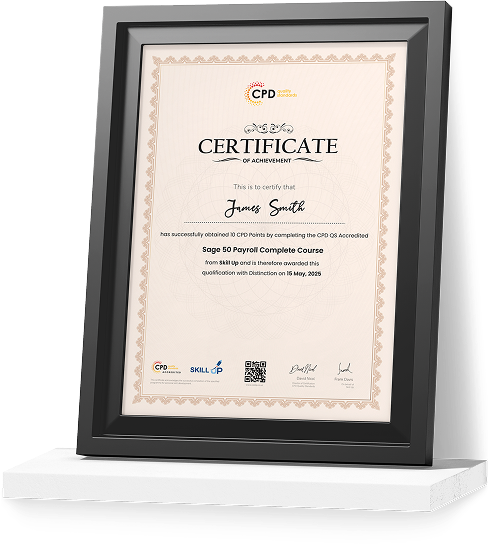
Certificate of Achievement
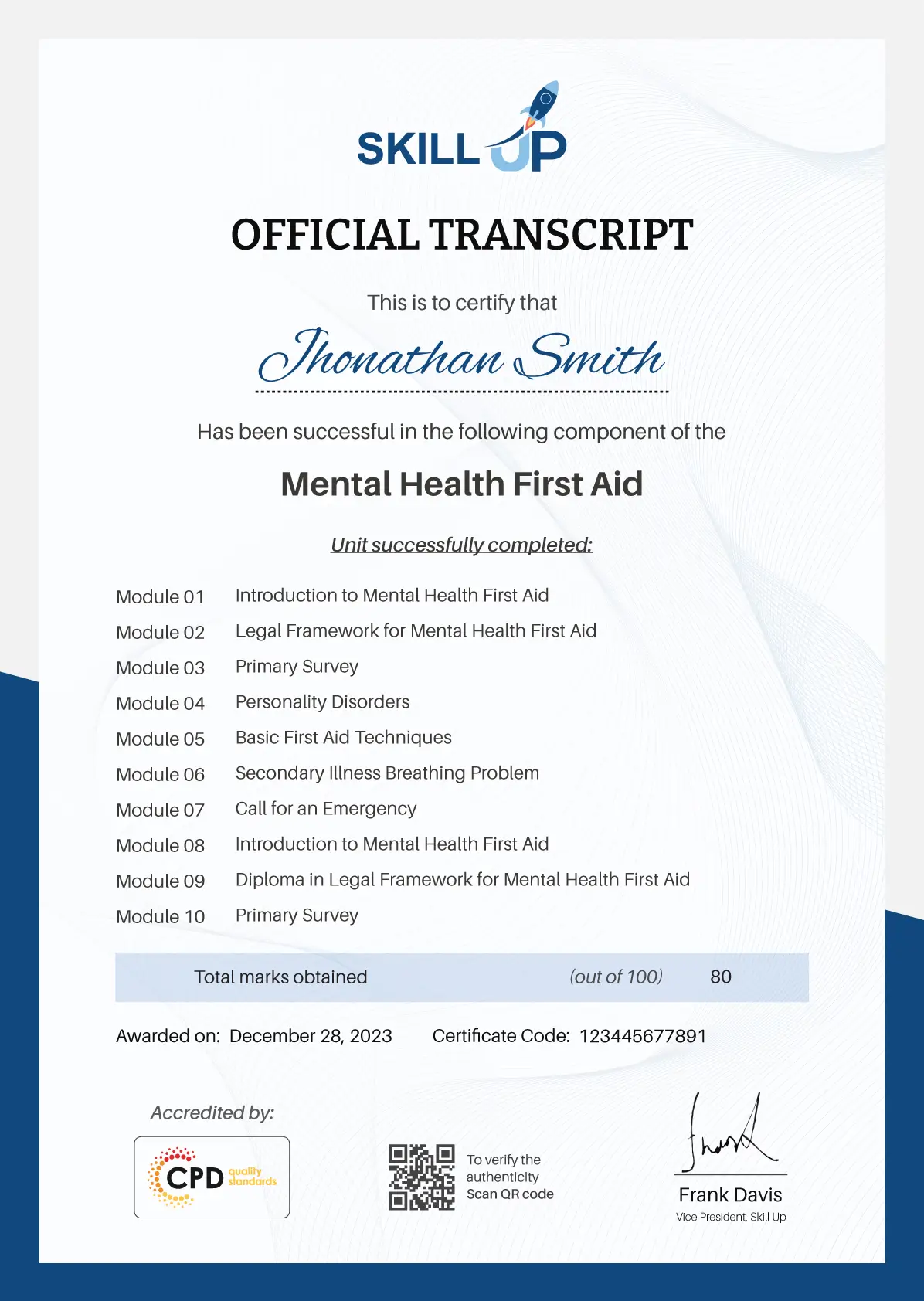
Earn Your Accredited Certificate with Transcript
Save 20% with the coupon code SKILL20
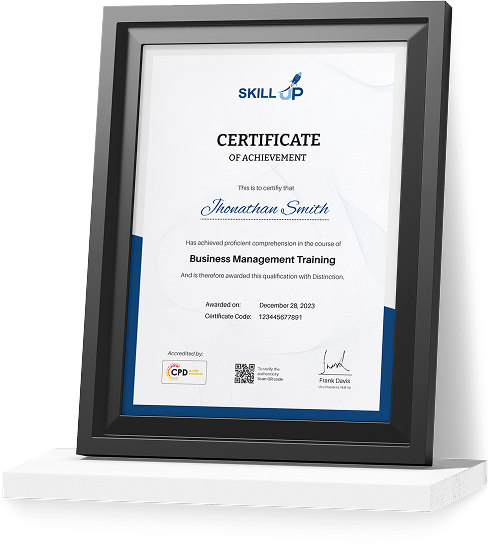
Show Your Certified Identity with a CPD-QS Certificate
Perfect for employers, clients, or academic verification.
Career Path
 Career Path
 Frequestly Asked Questions
Secretarial, PA & Office Administration Diploma Reviews

A well-organised and highly valuable course with clear, easy-to-understand guidance throughout. I’ve gained knowledge that’s directly relevant to my day-to-day responsibilities. It’s given me greater confidence in applying these skills professionally.

Engaging content delivered in a straightforward and structured format. The examples were realistic and helped reinforce key concepts effectively. I would certainly recommend it to colleagues looking to upskill

Comprehensive, insightful and professionally presented from start to finish. The course materials were clear and well supported. A worthwhile investment for anyone serious about career development
Curriculum
-
Module One – Getting Started
00:30:00
-
Module Two – Verbal Communication Skills
01:00:00
-
Module Three – Non-Verbal Communication Skills
01:00:00
-
Module Four – Making Small Talk and Moving Beyond
01:00:00
-
Module Five – Moving the Conversation Along
00:30:00
-
Module Six – Remembering Names
01:00:00
-
Module Seven – Influencing Skills
01:00:00
-
Module Eight – Bringing People to Your Side
01:00:00
-
Module Nine – Sharing Your Opinion
01:00:00
-
Module Ten – Negotiation Basics
01:00:00
-
Module Eleven – Making an Impact
01:00:00
-
Module Twelve – Wrapping Up
00:30:00
-
Developing Interpersonal Skills Course- Activities

 00:30:00
 -
Module One – Getting Started
00:30:00
-
Module Two – Working with Your Manager
01:00:00
-
Module Three – Administrative Soft Skills
01:00:00
-
Module Four – Effective Time Management
01:00:00
-
Module Five – Meeting Management
01:00:00
-
Module Six – Tools of the Trade (I)
01:00:00
-
Module Seven – Tools of the Trade (II)
01:00:00
-
Module Eight – Being an Effective Gatekeeper
01:00:00
-
Module Nine – Organizational Skills
01:00:00
-
Module Ten – Confidentiality Guidelines
01:00:00
-
Module Eleven – Special Tasks
01:00:00
-
Module Twelve – Wrapping Up
00:30:00
-
Module One – Getting Started
00:30:00
-
Module Two – Working with Words
01:00:00
-
Module Three – Constructing Sentences
01:00:00
-
Module Four – Creating Paragraphs
01:00:00
-
Module Five – Writing Meeting Agendas
01:00:00
-
Module Six – Writing E-mails
01:00:00
-
Module Seven – Writing Business Letters
01:00:00
-
Module Eight – Writing Proposals
01:00:00
-
Module Nine – Writing Reports
01:00:00
-
Module Ten – Other Types of Documents
01:00:00
-
Module Eleven – Proofreading and Finishing
01:00:00
-
Module Twelve – Wrapping Up
00:30:00
-
Module One – Getting Started
01:00:00
-
Module Two – What Does Self-Confidence Mean To You
01:00:00
-
Module Three – Obstacles to Our Goals
01:00:00
-
Module Four – Communication Skills
01:00:00
-
Module Five – The Importance of Goal Setting
01:00:00
-
Module Six – Feeling the Part
01:00:00
-
Module Seven – Looking the Part
01:00:00
-
Module Eight – Sounding the Part
01:00:00
-
Module Nine – Powerful Presentations
00:30:00
-
Module Ten – Coping Techniques
01:00:00
-
Module Eleven – Dealing with Difficult Behavior
00:30:00
-
Module Twelve – Wrapping Up
00:15:00
-
Module One – Getting Started
00:30:00
-
Module Two – Why Your Office Needs Administrative Procedures
01:00:00
-
Module Three – Gathering the Right Tools
01:00:00
-
Module Four – Identifying Procedures to Include
01:00:00
-
Module Five – Top Five Procedures to Record
01:00:00
-
Module Six – What to Include in Your Binder (I)
01:00:00
-
Module Seven – What to Include in Your Binder (II)
01:00:00
-
Module Eight – Organizing Your Binder
01:00:00
-
Module Nine – What Not to Include in the Procedure Guide
01:00:00
-
Module Ten – Share Office Procedure Guide
01:00:00
-
Module Eleven – Successfully Executing the Guide
01:00:00
-
Module Twelve – Wrapping Up
00:30:00
-
Module One – Getting Started
00:30:00
-
Module Two – Getting Organized (I)
01:00:00
-
Module Three – Getting Organized (II)
01:00:00
-
Module Four – Managing Time
01:00:00
-
Module Five – Getting It All Done On Time
01:00:00
-
Module Six – Special Tasks
01:00:00
-
Module Seven – Verbal Communication Skills
01:00:00
-
Module Eight – Non-Verbal Communication Skills
01:00:00
-
Module Nine – Empowering Yourself
01:00:00
-
Module Ten – The Team of Two
01:00:00
-
Module Eleven – Taking Care of Yourself
01:00:00
-
Module Twelve – Wrapping Up
00:30:00
-
Module One – Getting Started
00:30:00
-
Module Two – Remove the Clutter
01:00:00
-
Module Three – Prioritize
01:00:00
-
Module Four – Scheduling Your Time
01:00:00
-
Module Five – To Do Lists
01:00:00
-
Module Six – Paper and Paperless Storage
01:00:00
-
Module Seven – Organization in Your Work Area
01:00:00
-
Module Eight – Tools to Fight Procrastination
01:00:00
-
Module Nine – Organizing Your Inbox
01:00:00
-
Module Ten – Avoid the Causes of Disorganization
01:00:00
-
Module Eleven – Discipline is the Key to Stay Organized
01:00:00
-
Module Twelve – Wrapping Up
00:30:00
-
Building Your Management Team
01:00:00
-
Building A Successful Brand
01:00:00
-
Achieving Quality Through Teamwork
00:30:00
-
Keys To Staying Motivated
00:30:00
-
Improve Your Marketing
01:00:00
-
Provide Top Customer Service
00:30:00
-
Wrapping Up
00:30:00
-
Module One – Introduction
00:30:00
-
Module Two – Basic Terminology
01:00:00
-
Module Three – Basic Terminology (II)
01:00:00
-
Module Four – Accounting Methods
01:00:00
-
Module Five – Keeping Track of Your Business
01:00:00
-
Module Six – Understanding the Balance Sheet
01:00:00
-
Module Seven – Other Financial Statements
01:00:00
-
Module Eight – Payroll Accounting Terminology
01:00:00
-
Module Nine – End of Period Procedures
01:00:00
-
Module Ten – Financial Planning, Budgeting and Control
01:00:00
-
Module Eleven – Auditing
01:00:00
-
Module Twelve – Wrapping Up
00:30:00
-
Module One – Getting Started
00:30:00
-
Module Two – Opening
01:00:00
-
Module Three – Working with the Interface
01:00:00
-
Module Four – Your First Document
01:00:00
-
Module Five – Basic Editing Tasks
01:00:00
-
Module Six – Basic Formatting Tasks
01:00:00
-
Module Seven – Formatting Paragraphs
01:00:00
-
Module Eight – Advanced Formatting Tasks
01:00:00
-
Module Nine – Working with Styles
01:00:00
-
Module Ten – Formatting the Page
01:00:00
-
Module Eleven – Sharing Your Document
01:00:00
-
Module Twelve – Wrapping Up
00:30:00
-
Module One – Getting Started
00:30:00
-
Module Two – Opening PowerPoint
01:00:00
-
Module Three – Working with the Interface
01:00:00
-
Module Four – Your First Presentation
01:00:00
-
Module Five – Working with Text
01:00:00
-
Module Six – Formatting Text and Paragraphs
01:00:00
-
Module Seven – Adding Pictures
01:00:00
-
Module Eight – Advanced Formatting Tasks
01:00:00
-
Module Nine – Working with Transitions and Animations
01:00:00
-
Module Ten – Setting Up Your Slide Show
01:00:00
-
Module Eleven – Showtime!
01:00:00
-
Module Twelve – Wrapping Up
00:30:00
-
PowerPoint Essential Activities
-
Module One – Getting Started
00:30:00
-
Module Two – Opening Excel
01:00:00
-
Module Three – Working with the Interface
01:00:00
-
Module Four – Your First Worksheet
01:00:00
-
Module Five – Viewing Excel Data
01:00:00
-
Module Six – Building Formulas
01:00:00
-
Module Seven – Using Excel Functions
01:00:00
-
Module Eight – Using Quick Analysis
01:00:00
-
Module Nine – Formatting Your Data
01:00:00
-
Module Ten – Using Styles, Themes, and Effects
01:00:00
-
Module Eleven – Printing and Sharing Your Workbook
01:00:00
-
Module Twelve – Wrapping Up
01:00:00
-
Excel for Newbies – Activities
-
Mock Exam- Secretarial, PA & Office Administration Diploma
00:30:00
-
Final Exam- Secretarial, PA & Office Administration Diploma
00:30:00
-
Order Your Certificate

Offer Ends in

 TAKE ALL COURSES FOR £99

-
Duration:5 days, 6 hours
-
Access:1 Year
-
Units:145