Cart
No products in the basket.
Log In Sign Up

Login

Wound Care & Tissue Viability

Get 92% Discount | CPD Accredited | Affordable Pricing | No Hidden Charges | 24/7 Tutor Support | Instant Access
0
★ ★ ★ ★ ★
★ ★ ★ ★ ★
0 Reviews

stds25 Students

Accreditation Icon
Accreditation Icon

Overview

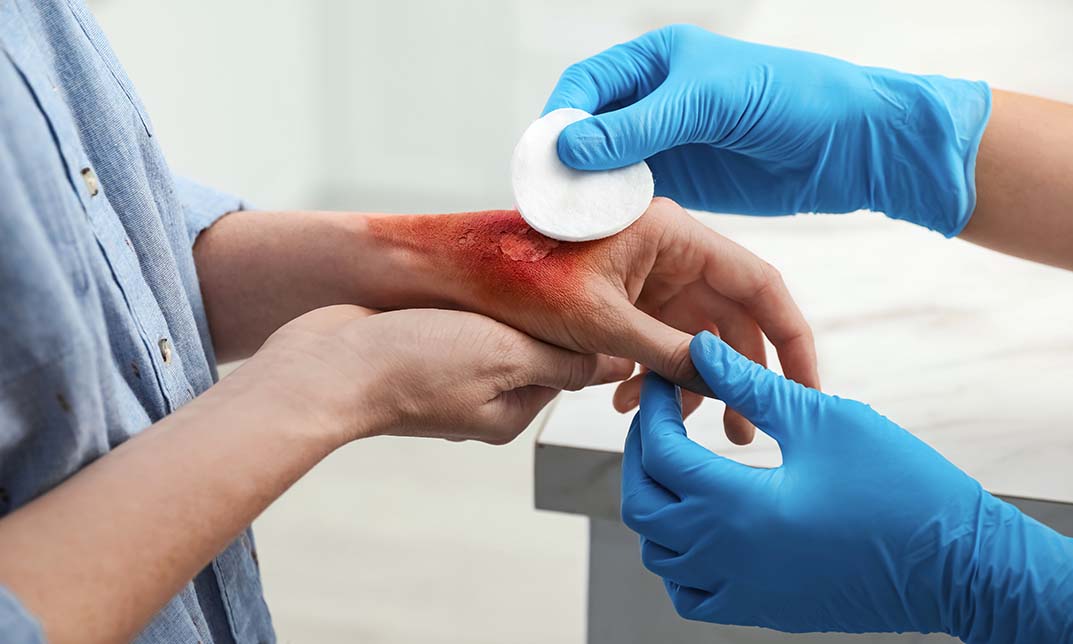
Have you ever wondered why some wounds heal quickly while others develop complications that affect a patient’s comfort, recovery, and overall well-being? For nurses, healthcare assistants, support workers, care home staff, and community healthcare professionals, understanding wound healing and tissue viability has become increasingly important. As healthcare providers place greater emphasis on pressure ulcer prevention, skin integrity, and patient outcomes, employers value professionals who can recognise factors that influence healing and support effective wound management.

To help build this essential knowledge, the course explores:

✓ The stages of wound healing and factors that can delay recovery.
✓ Common wound types and their treatment considerations.
✓ Wound dressing principles used in wound management.
✓ Wound assessment techniques that support tissue viability.

Whether you are seeking a wound care course, tissue viability training, or wound assessment training to support professional development, this course provides a structured introduction to wound care and tissue viability across modern healthcare settings.

Course Description

Effective wound care involves more than treating visible injuries. Healthcare professionals must understand how wounds heal, the factors that influence recovery, and the approaches used to support tissue viability in different care environments. Therefore, this Wound Care & Tissue Viability Course provides a clear learning pathway through the core principles that underpin modern wound management.

The course begins by examining the stages of wound healing and the biological processes involved in tissue repair. You will then explore factors that can delay healing, helping you develop a broader understanding of the challenges that may affect patient recovery. In addition, the course introduces common wound types and explains the treatment considerations associated with each, allowing learners to understand how wound characteristics can influence management decisions.

Furthermore, you will study the purpose and function of wound dressings and how different dressing approaches support healing. The course also covers wound assessment training, including the principles used to evaluate wound characteristics, monitor healing progress, and identify factors that may affect outcomes. A dedicated glossary reinforces key terminology used throughout wound care and tissue viability practice. By bringing these topics together, the course develops a strong foundation in wound healing, wound assessment, tissue viability, pressure ulcer prevention, and wound management while supporting informed decision-making across healthcare settings.

Learning Outcome

Who Is This Course For?

Certificate of Achievement

Earn Your Accredited Certificate with Transcript

Save 20% with the coupon code SKILL20

Show Your Certified Identity with a CPD-QS Certificate

Perfect for employers, clients, or academic verification.

Career Path

Frequently Asked Questions

A Wound Care & Tissue Viability Course provides knowledge of wound healing, wound assessment, wound management, tissue viability, and pressure ulcer prevention. It helps healthcare professionals understand how wounds develop, heal, and are managed to support patient outcomes and skin integrity.

You will learn about the stages of wound healing, wound assessment techniques, wound dressing principles, tissue viability concepts, and factors that influence wound management across healthcare settings.

Tissue viability focuses on maintaining healthy skin, preventing pressure ulcers, and supporting wound healing. It plays an important role in patient safety, recovery, and the prevention of avoidable complications.

Factors that can affect wound healing include infection, diabetes, poor circulation, dehydration, malnutrition, smoking, reduced mobility, and pressure damage. Understanding these factors supports effective wound assessment and wound management.

Pressure ulcer prevention involves regular skin assessments, repositioning, pressure-relieving equipment, good nutrition, hydration, and ongoing monitoring. These measures help protect skin integrity and reduce the risk of wound development.

This course is suitable for nurses, healthcare assistants, support workers, care home staff, community healthcare professionals, and anyone seeking to develop knowledge of wound assessment, wound healing, tissue viability, and wound management.

Wound Care & Tissue Viability Reviews

Excellent

0 / 5
Based on 0 reviews

98%

Would Recommend

25

Certified Learners

100%

Authentic Reviews

A well-organised and highly valuable course with clear, easy-to-understand guidance throughout. I’ve gained knowledge that’s directly relevant to my day-to-day responsibilities. It’s given me greater confidence in applying these skills professionally.

Engaging content delivered in a straightforward and structured format. The examples were realistic and helped reinforce key concepts effectively. I would certainly recommend it to colleagues looking to upskill

Comprehensive, insightful and professionally presented from start to finish. The course materials were clear and well supported. A worthwhile investment for anyone serious about career development

Curriculum

  • play The Wound Healing Process _ Factors Delaying Wound Healing
    play 00:15:00
top