
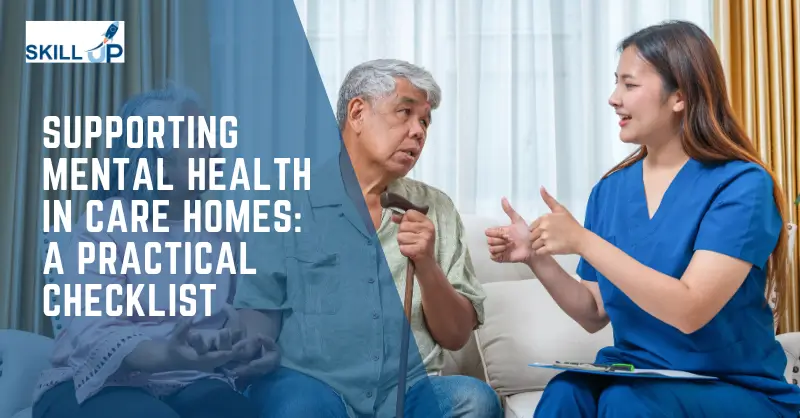
Can a care home appear well-run yet still leave a resident emotionally unsupported? Yes—and that is why this matters. A home may be clean, organised, and safe, yet a resident can still feel lonely, anxious, or disconnected. Good care is not only physical. It is about feeling included, recognised, and emotionally secure.
Supporting mental health in care homes requires more than good intentions. It needs observation, structure, and consistency built into daily routines. Mental well-being affects appetite, sleep, communication, and relationships. A practical checklist helps make emotional care visible, consistent, and part of everyday care.
Why Mental Health Support in Care Homes Needs More Attention
When families choose a care home, they often focus on visible factors such as cleanliness, safety, staff response, and organisation. These matter, but a resident’s experience is shaped just as much by their emotional life. A person may receive full physical care yet still feel empty, disconnected, or without purpose. They may miss familiar routines, surroundings, and everyday comforts. Some feel grief, anxiety, boredom, or a quieter emotional withdrawal that is harder to recognise.
This is why mental health support matters for all residents, not only those with a diagnosis. It also affects those facing loss, reduced contact, sensory changes, or gradual disengagement. Emotional wellbeing directly influences physical health. Low mood can reduce appetite, anxiety can disrupt sleep, and loneliness can lead to withdrawal from daily life. Over time, these changes affect confidence and overall wellbeing.
Mental health in care homes should never be treated as crisis-only support. Early attention makes a meaningful difference.
What Good Mental Health Support Really Looks Like
A lot of care settings use the language of wellbeing now. The phrase sounds positive. The question is whether it means anything practical once the shift gets busy.
Good mental health support in care homes usually does not arrive in one dramatic intervention. More often, it appears in the texture of daily care. It shows whether staff know the person behind the care tasks. It shows whether someone notices that Mrs Khan has stopped asking for the paper, or that Mr Hughes now leaves the lounge after ten minutes instead of staying for an hour. It shows whether a resident is spoken to as a person with a life story or simply managed as part of a routine.
Good support feels human. It is calm, observant, and person-centred. It respects the fact that one resident may want lively conversation while another needs gentleness and quiet. It understands that emotional care is not something that starts after lunch and ends when the activity trolley goes away. It sits for the whole day.
In Real Life, It Often Looks Like This
A carer slows down enough to notice that a resident is not only tired but withdrawn.
A senior staff member reviews a care plan because a normally sociable resident has started avoiding meals.
An activities co-ordinator stops trying to pull someone into a noisy group and instead offers a quieter, more familiar task that actually suits them.
A nurse realises that recent tearfulness may be linked not only to mood but to grief, poor sleep, pain, or fear after a fall.
This is what makes mental wellbeing support feel real. It is not decorative. It changes how the home sees people.
The Emotional Realities of Care Home Life
One reason this topic needs a stronger, more practical discussion is that life in a care home can be emotionally complicated in ways outsiders often underestimate.
For some residents, moving into care feels like relief. They may finally feel safer, more supported, and less overwhelmed. For others, the move may feel like a loss even when it is the right decision. They may be grieving independence, privacy, home routines, pets, neighbourhood life, or a version of themselves that once felt stronger and more capable.
Then there is the emotional weight of later life itself. Frailty, pain, bereavement, hospital admissions, reduced mobility, hearing changes, sight changes, memory problems, and social loss can all occur together. These things do not simply sit beside mental health. They shape it.
Some residents become openly distressed. Others become quieter. Some grow more irritable. Some become clingier with the staff. Some stop joining in. Some stop asking. Some sit in the same chair every day and fade slowly into the background of the home’s routine.
That is why emotional well-being in residential care homes should be treated as an active care issue rather than a passive hope.

Common Pressures That Affect Resident Mental Well-being
Not every resident experiences the same difficulties, but these are among the most common:
| Emotional Pressure | How It Affects Residents | What Helps |
|---|---|---|
| Grief / Loss | Withdrawal, low mood, sadness | Emotional support, familiar routines |
| Loneliness | Disengagement, silence, isolation | One-to-one interaction, family contact |
| Fear (falls, illness) | Anxiety, refusal of care | Reassurance, clear explanations |
| Loss of independence | Frustration, resistance | Offer choice, involve in decisions |
| Unfamiliar environment | Confusion, distress | Keep routines consistent |
| Boredom / lack of purpose | Low engagement, apathy | Meaningful activities |
| Dementia-related confusion | Distress, agitation | Calm, familiar support |
| Reduced family contact | Emotional withdrawal | Supported communication with family |
The Early Signs Staff Should Never Ignore
By the time a resident says, “I feel depressed,” patterns have often already developed. Early signs rarely appear in direct words but through changes in appetite, behaviour, routine, or mood. A resident may withdraw, refuse activities, or seem quieter. These subtle shifts are often the first signs of emotional change.
Watch for Change in These Areas
| Change You Notice | What It May Indicate | What Staff Should Do |
|---|---|---|
| Reduced appetite | Low mood, anxiety, physical discomfort | Monitor patterns, check for pain, encourage gently |
| Poor sleep / oversleeping | Anxiety, distress, routine disruption | Review routine, reduce noise, provide reassurance |
| Withdrawal from others | Loneliness, depression, overwhelm | Increase one-to-one contact, reduce pressure |
| Tearfulness | Grief, fear, emotional distress | Acknowledge feelings, offer calm support |
| Irritability | Pain, frustration, confusion | Stay calm, check triggers, avoid confrontation |
| Loss of interest | Emotional decline, depression | Reintroduce meaningful activities gently |
| Fearfulness | Anxiety, unfamiliar environment | Reassure, simplify surroundings |
| Negative remarks | Hopelessness, low mood | Observe patterns, escalate if persistent |
A Practical Checklist for Supporting Mental Health in Care Homes
This is the part that should actually help in practice. A practical mental health checklist for care homes should not read like a poster. It should guide what staff do, notice, record, and review.
Start With the Person, Not the Presentation
Before a home can support a resident emotionally, it needs to understand who they are beyond daily care tasks. What mattered to them? What comforts them? What kind of social contact feels natural or draining? Without this, support becomes generic.
Establish an Emotional Baseline
Every resident has a “usual self” when settled. Some are sociable, some private, some respond better at certain times or in quieter settings. If staff do not know what “well” looks like, early emotional decline is easily missed.
Build Observation Into Normal Care
Mental well-being should be observed in everyday moments such as getting up, eating, resting, and interacting, not only during formal reviews.
Protect Meaningful Human Contact
Residents should not experience every interaction as a task. Small moments of attention, tone, and reassurance matter.
Use Meaningful Activities Rather Than Generic Occupation
Activities should feel personal and purposeful, not just time-filling.
Write Clear Actions Into the Care Plan
Care plans should clearly show what helps, what triggers distress, and how staff should respond consistently.
A checklist only becomes useful when it changes what staff actually do.
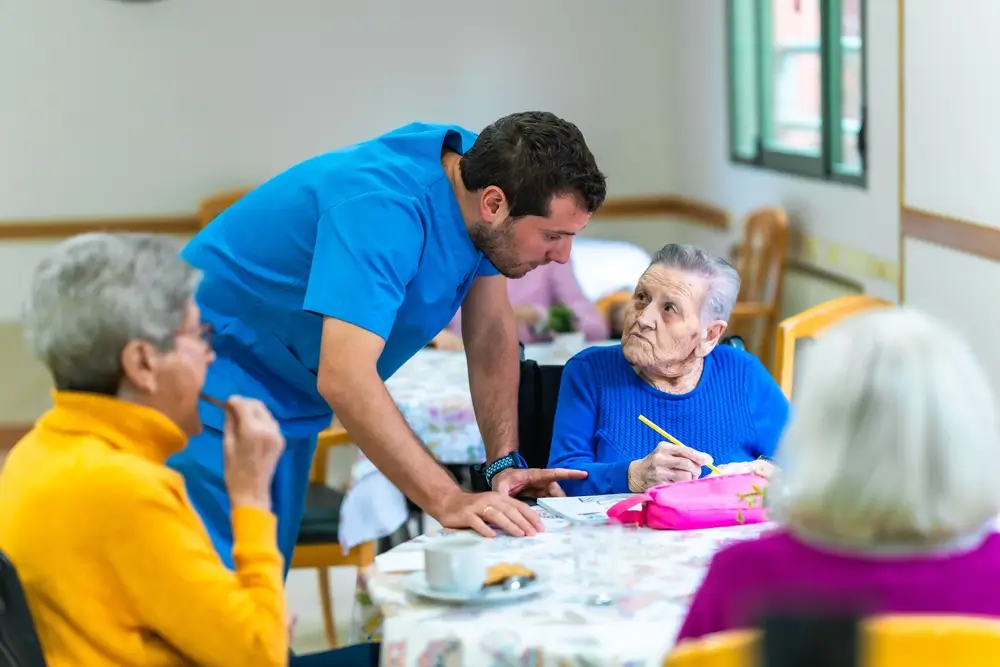
Building Mental Wellbeing Into Care Planning
Care plans are often where emotional care loses its strength. The intention may be good, but the wording becomes too vague. “Monitor mood.” “Encourage engagement.” “Offer support as needed.” These phrases sound caring, yet they are too broad to guide practice well.
A better mental health care plan for care home residents is more specific. It describes the resident’s emotional pattern when settled, the early warning signs of decline, the likely triggers, and the responses that actually help.
A Stronger Care Plan Usually Includes These Elements
Emotional Profile
What is this resident like when they feel relatively well? Quiet? Sociable? Independent? Reassured by routine? Sensitive to noise?
Triggers
What tends to unsettle them? Poor sleep, pain, unfamiliar staff, loud environments, grief reminders, too much change, or feeling ignored?
Helpful Responses
What genuinely helps? A quieter space, a favourite song, gentle humour, prayer, a phone call to family, a familiar staff member, a short walk, or simply not being rushed?
Early Warning Signs
What does decline look like for this individual? Less appetite, more silence, more irritation, refusal of activities, tearfulness, more time in bed?
Escalation Route
When does the concern need to move beyond routine emotional support?
This is what person-centred care planning in mental wellbeing should look like in practice. Not abstract care language, but usable guidance.
Everyday Habits That Lift Resident Wellbeing
One of the biggest misunderstandings about mental well-being support is the idea that it depends mainly on large interventions. In reality, many of the most effective strategies are small and repeatable.
A calmer morning routine can matter. Being addressed by the preferred name can matter. Sitting beside a resident rather than speaking over them can matter. Giving them a real choice instead of rushing them through the day can matter. Emotional support is often built through these details.
Simple Habits That Make a Real Difference
A resident’s day often improves when staff:
- Explain what is happening rather than moving too quickly
- Offer genuine choice where possible
- Notice and respond to small mood changes
- Protect one-to-one time for quieter residents
- Keep routines steady when the resident finds change difficult
These habits seem modest, but together they shape the emotional atmosphere of the home.
The Difference Between Activity and Meaning
This is worth pausing on, because many blogs on this topic stay too general here.
An activity is not automatically meaningful just because it fills time. A resident may sit through bingo every Tuesday and still feel bored, excluded, or emotionally absent. Another may feel far more lifted by folding napkins, listening to wartime songs, watering herbs, or talking about an old job for fifteen minutes.
The real question is not, “Did they attend?” It is, “Did this actually support their emotional well-being?”
That shift in thinking changes everything.

Preventing Loneliness and Emotional Withdrawal
Loneliness in care homes is often more hidden than people think. A resident may be physically surrounded and still feel completely cut off. They may sit in communal spaces every day and still not feel connected to anyone there.
That is why preventing loneliness in care homes should go well beyond activity planning. Homes need to notice who is not forming natural connections, who has become quieter over time, who no longer receives visitors, who struggles to hear conversations, and who feels socially present but emotionally absent.
What Helps More Than Many Homes Realise
Loneliness often eases through small, thoughtful changes rather than large programmes. A quieter resident may benefit from being matched with one or two people who share their interests. Staff can use personal topics to build meaningful conversation, support regular family contact, and treat familiar dates or routines as genuinely important.
Emotional withdrawal should be noticed early. When a resident begins avoiding meals, visitors, or daily interaction, that change matters. Withdrawal is rarely a preference—it is often a sign that something needs attention and support.
Supporting Residents Living With Dementia, Anxiety, or Depression
This area needs care because it is easy to become simplistic. A resident with dementia may also be anxious, depressed, lonely, grieving, frightened, or in pain. A resident with anxiety may become more overwhelmed by noise, change, and unpredictability. A resident with depression may not speak openly about sadness but may instead seem flat, tired, detached, or uninterested in life around them.
This is why staff should always ask what the behaviour may be expressing, not only how it appears.
With Dementia, Meaning Matters
If a resident becomes distressed during personal care, it may not be “behaviour” in the empty sense of the word. It may be fear, confusion, shame, overstimulation, or discomfort. If they wander, cling, or repeat questions, the emotional meaning behind that pattern still matters.
Residents living with dementia often respond best when support is:
- Familiar
- Calm
- Unhurried
- Repetitive in a reassuring way
- Linked to personal history
That might mean music, objects from earlier life, simple routines, sensory reassurance, a short walk, hand massage, quiet conversation, or a familiar household-style task. The point is not to apply a formula. It is to match support to the person.
With Anxiety or Depression, Subtlety Matters
An anxious resident may seem restless or demanding when they are actually frightened. A depressed resident may look passive when they are emotionally exhausted. Strong care home mental health support strategies recognise that low mood and anxiety in older adults do not always look obvious or dramatic.

When Low Mood Becomes a Wider Concern
Not every sad day is a crisis, but some patterns should not be ignored. If low mood deepens, a resident refuses food or drink, shows self-neglect, repeats hopeless comments, or behaviour changes significantly, support may need to move beyond routine care. The same applies with severe fear, possible psychosis, or safeguarding concerns.
Homes need a clear escalation pathway. Staff should know what to record, who to inform, and when to involve senior staff, GPs, or specialist services. A vague system creates hesitation. A clear system builds confidence.
Reviewing and Monitoring Wellbeing Properly
A care home’s wellbeing monitoring checklist is only useful if the home actually revisits it. Emotional well-being changes. Health changes. Social patterns change. Family contact changes. What helped three months ago may not help now.
That is why the review should be regular, but also responsive.
A good review asks whether the resident’s mood, appetite, sleep, confidence, social interest, and activity engagement have changed. It asks whether staff on different shifts are noticing the same thing. It asks whether the care plan still reflects the resident’s real life now, rather than an old version of it.
Review should also happen after key changes: illness, falls, hospital admission, bereavement, medication changes, worsening confusion, or a noticeable increase in withdrawal.
Monitoring is not about paperwork for its own sake. It is about preventing emotional decline from becoming normalised.
Why Staff Wellbeing Shapes Resident Wellbeing
This topic is often rushed, but it should not be. A home cannot sustain emotionally supportive care through a team that is exhausted, unsupported, and running on empty.
When staff are overwhelmed, emotional care often becomes thinner first. There may still be clean uniforms, completed records, and medications on time, but the softer, more attentive parts of care begin to erode. Conversations shorten. Patience drops. Observation weakens. Residents feel the difference, even when they cannot name it.
Good staff wellbeing support is not a separate agenda from resident care. It strengthens resident care directly.
Staff are more able to provide calm, respectful, emotionally intelligent support when they are properly supervised, listened to, and supported after distressing events. Homes that do this better usually have stronger communication, steadier morale, and better emotional care for residents.
The Role of Families in Emotional Support
Families often hold the details that make support more personal and more accurate. They may know what comforted the resident at home, what routines mattered most, which anniversaries are painful, which songs they loved, and what kind of conversation feels natural to them.
That information matters.
Care homes that involve families well often create stronger emotional support because they see the resident more fully. They also spot changes more clearly. A relative may notice that their mother sounds flatter on the phone, or that their father no longer talks about someone he usually mentions. These observations can help the home review support earlier.
At the same time, families themselves may need guidance. They may feel guilt, worry, grief, or uncertainty. Supporting emotional well-being in care homes often works best when the home sees families as partners in understanding the person, not as outsiders to be updated only when something goes wrong.
A Practical Checklist for Supporting Mental Health in Care Homes
This is the part that should actually help in practice. A practical mental health checklist for care homes should not read like a poster. It should guide what staff do, notice, record, and review.
Start With the Person, Not the Presentation
Before a home can support a resident emotionally, it needs to understand who they are beyond daily care tasks. What mattered to them? What comforts them? What kind of social contact feels natural or draining? Without this, support becomes generic.
Establish an Emotional Baseline
Every resident has a “usual self” when settled. Some are sociable, some private, some respond better at certain times or in quieter settings. If staff do not know what “well” looks like, early emotional decline is easily missed.
Build Observation Into Normal Care
Mental well-being should be observed in everyday moments such as getting up, eating, resting, and interacting, not only during formal reviews.
Protect Meaningful Human Contact
Residents should not experience every interaction as a task. Small moments of attention, tone, and reassurance matter.
Use Meaningful Activities Rather Than Generic Occupation
Activities should feel personal and purposeful, not just time-filling.
Write Clear Actions Into the Care Plan
Care plans should clearly show what helps, what triggers distress, and how staff should respond consistently.
A checklist only becomes useful when it changes what staff actually do.

Get valuable training, UK-focused support, and the skills employers want. No experience needed.
Join 50+ graduates who landed tech jobs with our industry-focused training programme designed for beginners.
Explore Now - Our Job Ready ProgrammeFrequently Asked Questions (FAQs)
Why Is Supporting Mental Health in Care Homes So Important?
Supporting mental health in care homes is important because emotional wellbeing affects daily life such as sleep, appetite, communication, relationships, and confidence. Even in well-run homes, residents may feel lonely or anxious, so emotional support must be part of routine care.
How Can Care Homes Support Mental Health Better Every Day?
Care homes support mental health by building it into daily routines. This includes kind communication, consistent carers, one-to-one time, emotional reassurance, and noticing small changes early. These everyday actions often have the biggest impact on wellbeing.
What Should a Mental Health in Care Homes Checklist Include?
A good checklist should include the resident’s emotional baseline, early warning signs, triggers, preferred coping methods, meaningful activities, loneliness risks, and clear escalation steps. This helps staff respond consistently and effectively.
What Are the Early Signs of Poor Mental Wellbeing in Care Home Residents?
Early signs include withdrawal, low mood, irritability, sleep changes, reduced appetite, fearfulness, and loss of interest in usual activities. The most important sign is a noticeable change from normal behaviour.
How Can Care Homes Prevent Loneliness Among Elderly Residents?
Loneliness can be reduced through regular conversation, family contact, personalised activities, small group interaction, and routines that give residents purpose. Early identification of isolation risk is very important.
How Does Person-Centred Care Support Mental Wellbeing in Care Homes?
Person-centred care improves wellbeing by focusing on each resident’s history, preferences, and emotional needs. It helps residents feel respected, safe, and understood by tailoring support to the individual.
When Should Mental Health Concerns Be Escalated?
Concerns should be escalated when changes are persistent, worsening, or affecting safety, eating, drinking, behaviour, or daily functioning. Early escalation ensures timely support from senior staff or healthcare professionals when needed early care.




All Courses
Personal Development
Employability
Career Bundle
Management
Free QLS Certificate
IT & Software
Business
Technology
Health & Care
Quality Licence Scheme Endorsed Courses
Health & Safety
Training
Marketing
Job Ready Programme
Design
Accounting & Finance
Health and Fitness
Healthcare and Medical
Animal Care
Psychology
Microsoft Office
Teach & Education
I.T
HR and Leadership
Counselling and Therapy
Teaching & Child Care
Health and Social Care
Electrical & Electronics
Law
Food Nutrition
programming
Administration & Office Skills
Education
Language
Engineering
Cooking & Baking
Law & Criminology
Accounting
QLS Bundle
Office Skills
Awareness
Photography
Finance
Lifestyle
Diet and Nutrition
Makeup & Beauty
Therapy
Sports
First Aid
Accounting & Bookkeeping
Mathematics
Excel
Web Design
Top Rated Course
Diet and Fitness
Counselling
Agriculture
Networking & Design
General Education
Biotechnology
Audit
Economics
Lifestyle & Recreational
Adobe Photoshop
Travel and Tourism
Categories

Awarded By