GIFT
Level 3 Diploma in Occupational Therapy
Level 3 Diploma in Occupational Therapy introduces a structured pathway into supporting individuals to live more independent, fulfilling lives. As demand for Occupational Therapy jobs continues to rise across the UK, this Occupational Therapy Online Course UK equips learners with essential knowledge covering human development, rehabilitation methods, and wellbeing strategies.
Throughout this programme, learners explore anatomy, brain function, and physical conditions, while also focusing on emotional resilience and confidence-building approaches. In addition, this Occupational Therapy Diploma highlights both adult and child-focused care, ensuring a balanced perspective. Whether you are considering Occupational Therapy training online for flexibility or aiming to pursue long-term Occupational Therapy jobs, this course provides a strong academic foundation. Furthermore, with growing opportunities in healthcare and social services, completing an Occupational Therapy Online Course UK supports progression into meaningful roles within diverse settings.
Following Courses are Included With This Course (For Free) - Limited Time!
GIFT
GIFT
Play Therapy Diploma
Course Description
A rewarding future in health and social care begins with the right knowledge and direction. This Level 3 Diploma in Occupational Therapy offers a well-structured introduction to supporting individuals in improving daily function, independence, and overall wellbeing. Through this Occupational Therapy Online Course UK, learners explore essential topics such as human development, physical conditions, and mental health, creating a strong academic base aligned with current UK standards. Moreover, the flexible format of this Occupational Therapy training online allows study at a comfortable pace without disrupting existing commitments.
Key Benefits:
- Comprehensive coverage of adult and child-focused support methods
- Flexible Occupational Therapy training online access
- Detailed insight into anatomy, conditions, and wellbeing
- Career-focused direction towards Occupational Therapy jobs
- Recognised Level 3 Occupational Therapy qualification
In addition, this Occupational Therapy Diploma introduces creative approaches, leadership awareness, and confidence-building techniques. Learners examine coping mechanisms, developmental disorders, and structured care planning. Consequently, this Level 3 Occupational Therapy course supports progression into various Occupational Therapy jobs while strengthening academic confidence.
Furthermore, this Occupational Therapy Online Course UK encourages both personal and professional development. With carefully designed modules and relevant content, learners are better prepared to pursue further education or explore opportunities within Occupational Therapy jobs. This online course provides a balanced approach to learning, making it suitable for those aiming to build a meaningful future in care environments.
Note: Skill-up is a Janets-approved resale partner for Quality Licence Scheme Endorsed courses.
Learning Outcome
- Explain core principles and applications of Occupational Therapy in healthcare
- Identify key anatomical systems and their relevance to therapy practices
- Analyse developmental conditions and appropriate support methods
- Evaluate coping strategies for stress, confidence, and wellbeing
- Assess career pathways and progression within Occupational Therapy jobs
Who Is This Course For?
- Individuals seeking entry into Occupational Therapy jobs in the UK
- Learners interested in Occupational Therapy training online flexibility
- Career changers exploring healthcare-related qualifications
- Students aiming to progress within Level 3 Occupational Therapy education
- Anyone pursuing an Occupational Therapy Diploma for academic advancement
Certificate of Achievement
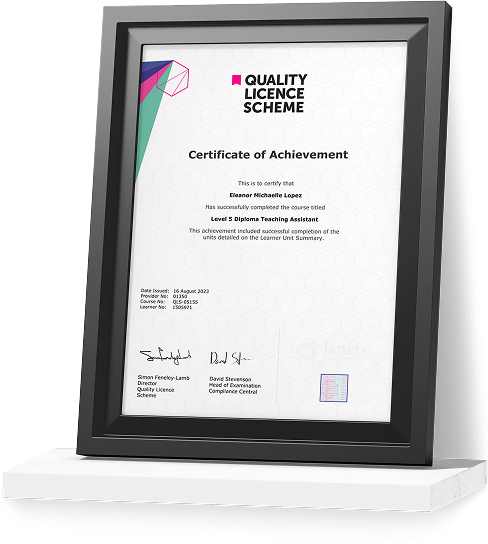
Quality Licence Scheme Endorsed Certificate
Upon completing the final assessment, you can apply for the Quality Licence Scheme Endorsed Certificate of Achievement. Endorsed certificates can be ordered and delivered to your home by post for only £79.
Earn Your Accredited Certificate with Transcript
Save 20% with the coupon code SKILL20
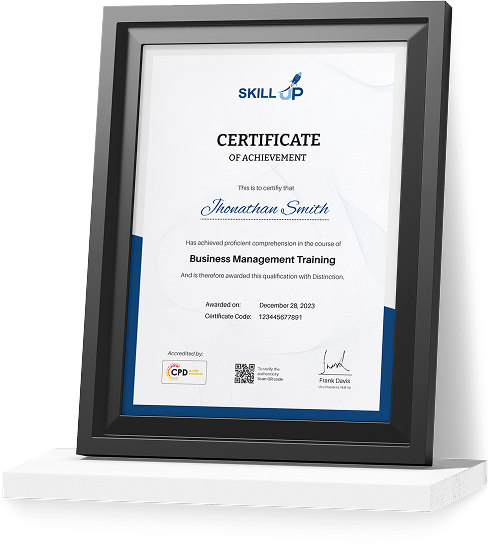
Show Your Certified Identity with a CPD-QS Certificate
Perfect for employers, clients, or academic verification.
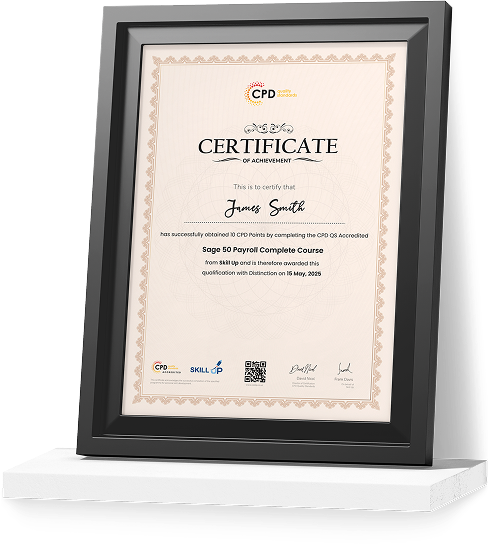
Get a QLS Certificate to Showcase Your Skills
Detailed record of your completed modules and qualifications.
Career Path
- Occupational Therapist – Supports individuals with daily activity development and rehabilitation | Average Salary: £40,000 – £55,000 per year
- Rehabilitation Specialist – Assists recovery through structured programmes | Average Salary: £42,000 – £60,000 per year
- Clinical Support Practitioner – Provides therapeutic assistance within healthcare teams | Average Salary: £40,000 – £50,000 per year
- Mental Health Practitioner – Works with emotional and psychological wellbeing strategies | Average Salary: £45,000 – £65,000 per year
- Care Coordinator – Manages patient-centred care plans and services | Average Salary: £42,000 – £58,000 per year
- Health Service Manager – Oversees therapy services and operational delivery | Average Salary: £50,000 – £75,000 per year
Frequently Asked Questions
Occupational therapy in the UK helps people of all ages maintain independence in daily living, work, and education. NHS and private occupational therapists use evidence-based interventions, digital health assessments, and AI-supported care planning tools to support individuals with physical, mental health, neurological, or learning difficulties.
AI in occupational therapy is increasingly used for remote functional assessments, predictive recovery planning, and smart assistive technology. UK practitioners use AI-powered motion tracking, virtual rehabilitation platforms, and data-driven outcome measurement to personalise therapy programmes and improve patient engagement.
Yes, many UK providers now offer digital occupational therapy through telehealth platforms, AI-enabled progress tracking, and virtual home environment assessments. Remote OT services are especially popular for mental health support, workplace adjustments, and long-term condition management.
Occupational therapists in the UK support people with mental health conditions, autism and ADHD, stroke recovery, arthritis, workplace injuries, and age-related mobility challenges. AI-driven tools help therapists analyse daily activity patterns and recommend adaptive strategies and assistive technologies.
To become an occupational therapist in the UK, you must complete an HCPC-approved degree in occupational therapy and register with the Health and Care Professions Council (HCPC). Many UK courses now include training in digital health tools, AI-assisted assessments, and technology-enhanced rehabilitation methods to meet modern healthcare demands.
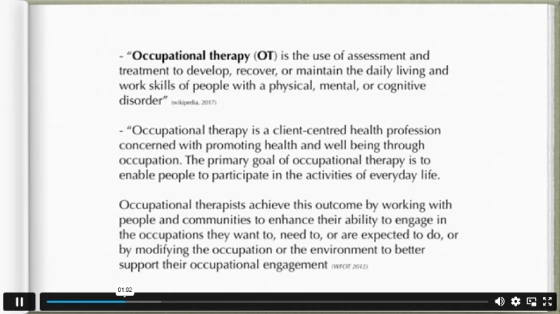
Occupational therapy helps individuals of all ages overcome physical, emotional, or cognitive challenges that affect their daily lives. Occupational therapists (OTs) support people in performing essential activities such as self-care, work, and leisure. They assess each person’s abilities and environment to create tailored rehabilitation plans that promote independence and well-being. Occupational therapy focuses on enabling people to live fuller, more meaningful lives through practical solutions and adaptive techniques.
A person may be referred to an occupational therapist when illness, injury, or disability affects their ability to manage daily tasks. This could include difficulty dressing, cooking, moving safely at home, or coping with sensory or cognitive issues. Doctors, social workers, or other healthcare professionals often refer patients to OTs for rehabilitation, home adaptations, or support with returning to work. Occupational therapists play a key role in helping individuals regain independence and confidence in their everyday activities.
No, you cannot practise as an occupational therapist in the UK without a degree. To become a registered OT, you must complete an approved occupational therapy degree or degree apprenticeship accredited by the Health and Care Professions Council (HCPC). However, if you want to work in the field without qualifying as an OT, you could consider becoming an occupational therapy assistant or support worker, which does not require a university degree.
The main role of an occupational therapist is to help people improve their ability to perform daily activities safely and independently. OTs assess physical, psychological, and environmental barriers, then design strategies or interventions to overcome them. This might involve teaching new techniques, recommending assistive devices, or modifying a person’s environment. The ultimate goal of occupational therapy is to empower individuals to lead productive and satisfying lives despite any limitations.
Occupational therapy and physiotherapy are both valuable but serve different purposes. Physiotherapists primarily focus on restoring physical movement, strength, and function after an injury or illness. Occupational therapists, on the other hand, concentrate on helping people carry out daily activities by adapting tasks or environments. Neither is “better” — they often work together as part of a multidisciplinary team. While physiotherapy improves physical ability, occupational therapy enhances practical independence in everyday life.
You can get an occupational therapy assessment through the NHS, your local council, or privately. If you’re seeking NHS support, ask your GP, social worker, or healthcare provider for a referral. Local councils also offer free assessments for home adaptations or support equipment. Alternatively, you can book a private OT assessment for faster access. An OT assessment evaluates your needs and recommends solutions to help you live more independently and safely.
In the UK, occupational therapists and nurses generally earn similar salaries, though this can vary depending on experience and location. Entry-level NHS OTs typically start on Band 5, earning around £28,000–£34,000 per year, while experienced practitioners can earn up to £50,000 or more at senior levels. Nurses on comparable NHS bands may have similar pay scales, though specialisms and overtime can influence earnings. Overall, both careers offer rewarding pay and strong progression opportunities within the NHS.
Becoming a qualified occupational therapist in the UK usually takes three years of full-time study to complete a bachelor’s degree in occupational therapy. Alternatively, those with a relevant undergraduate degree can pursue a two-year accelerated master’s programme. Degree apprenticeships may take around four years, combining study with paid work experience. Whichever route you choose, registration with the HCPC is required to practise legally as an occupational therapist in the UK.
In the UK, occupational therapists earn between £28,000 and £50,000 per year, depending on experience, location, and role. Newly qualified OTs on NHS Band 5 typically start around £28,000, while senior or specialist OTs on Bands 6 and 7 can earn between £35,000 and £50,000 annually. Private practice or management roles may offer even higher salaries. Occupational therapy is a stable and fulfilling career path with strong earning potential and job satisfaction.
Level 3 Diploma in Occupational Therapy Reviews
Excellent
98%
Would Recommend37
Certified Learners100%
Authentic ReviewsAn excellent Occupational Therapy Online Course with clear modules and flexible learning.
I found this course very informative and easy to follow. It strengthened my knowledge and helped me explore new Occupational Therapy jobs.
The Occupational Therapy course content was detailed and relevant for building a strong career path
Curriculum
-
About the Course & Instructor
00:04:00
-
What is Occupational Therapy?
00:06:00
-
Knowledge & Skills for Occupational Therapy
00:09:00
-
Working with Adults
00:07:00
-
Working with Children
00:06:00
-
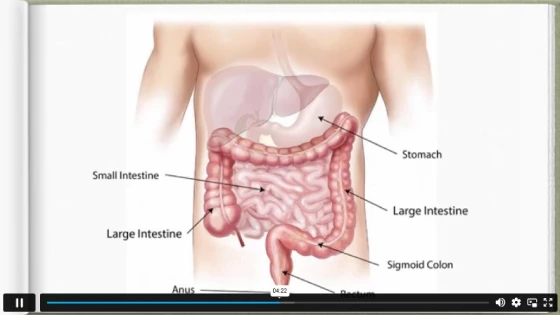
The Structure & the Functions
00:08:00
-
The Blood & the Immune System
00:07:00
-
What is ‘Brain Injury’?
00:07:00
-
Developmental Disorders & Conditions
00:07:00
-
Physical Disabilities
00:07:00
-
The Use of Creative Activities
00:08:00
-
Management & Leadership Skills
00:06:00
-
Building Confidence & Self-Esteem
00:05:00
-
Dealing with Depression
00:08:00
-
Professional Development
00:05:00
-
Personal & Academic Development
00:05:00
-
Alternative Career Options
00:09:00
-
A Theory of Human Need for Occupation
00:07:00
-
Occupations for Health & Wellbeing
00:04:00
-
Coping Strategies (stress)
00:10:00
-
Maslow’s Hierarchy of Needs
00:05:00
-
Thank You & Good Bye!
00:04:00
-
Assignment – Level 3 Diploma in Occupational Therapy
-
Submit Your Assignment & Order QLS Certificate
-
Skill Up Recognised Certificate
-
Order CPDQS Certificate
-
Feedback
00:01:00
Offer Ends in
Or
TAKE ALL COURSES FOR £99
14-Day Money-Back Guarantee
-
Duration:2 hours, 25 minutes
-
Access:1 Year
-
Units:27

26 Reviews