
.png) 9 Reviews
 167 Students

 Overview
 Overview
Course Description
Key Benefits of This Course
 Key Benefits of This Course
Learning Outcome
Who Is This Course For?
 Who Is This Course For?
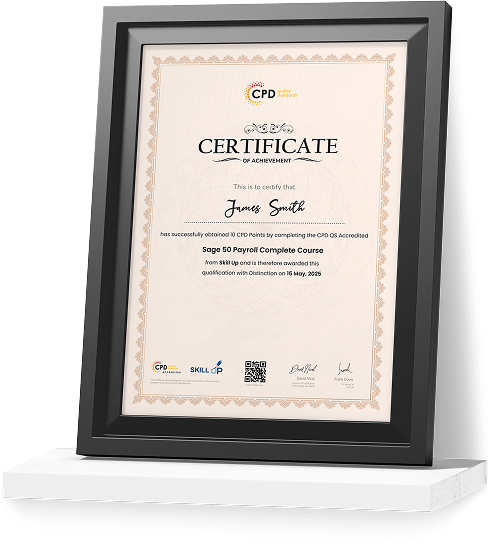
Certificate of Achievement
Earn Your Accredited Certificate with Transcript
Save 20% with the coupon code SKILL20
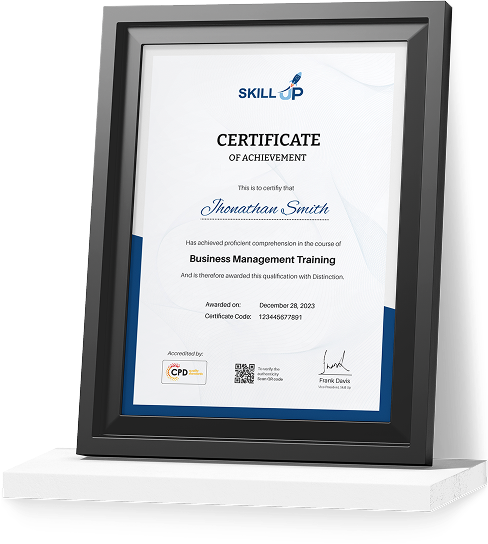
Show Your Certified Identity with a CPD-QS Certificate
Perfect for employers, clients, or academic verification.
Career Path
 Career Path
Frequently Asked Questions
Advanced Training for Trauma Treatment of Complex PTSD Reviews

A thoughtful and well-structured course that provided valuable insight into trauma and Complex PTSD.
The explanations were clear and engaging. I particularly appreciated the sections on CBT, DBT, and ACT.
An informative course that helped me understand trauma responses and emotional regulation more effectively.
Curriculum
-
Introduction
00:04:00
-
The approach of the course
00:03:00

 00:04:00
-
Section Overview
00:01:00
-
What Is Trauma?
00:09:00
-
What Is PTSD? Diagnosis of PTSD
00:10:00
-
How Are Traumatic Memories Processed?
00:09:00
-
Physical and Health Issues Associated with Trauma
00:08:00
-
Thinking about Coping with PTSD & Trauma
00:06:00
-
Integrating CBT, DBT, ACT Overview
00:01:00
-
What is Cognitive Behavioral Therapy (CBT)?
00:03:00
-
ABC Model – Thought, Emotions & Behavior
00:04:00
-
Understanding Feedback Loops
00:04:00
-
Behavioral Coping
00:02:00
-
Exposure Therapy for PTSD & Trauma
00:07:00
-
Stress Inoculation Training (SIT) for PTSD & Trauma
00:03:00
-
Cognitive Processing Therapy (CPT) PTSD & Trauma
00:03:00
-
What is Dialectical Behavior Therapy (DBT)?
00:08:00
-
What is Acceptance and Commitment Therapy (ACT)?
00:03:00
-
ACT in Action! 6 Core Processes
00:12:00
-
Common Elements of CBT, DBT & ACT
00:05:00
-
Building a Strong Foundation: Breathing
00:06:00
-
Abdominal Breathing for Anxiety
00:05:00
-
PMR Progressive Muscle Relaxation a CBT Technique for Anxiety & PTSD
00:07:00
-
Relaxation without Tension a CBT Technique for Anxiety & PTSD
00:02:00
-
Cue Controlled Relaxation a CBT Technique for Anxiety & PTSD
00:02:00
-
Using Your Mind to Relax and Develop Awareness
00:03:00
-
Decreasing the Power of Negative Thoughts
00:06:00
-
Section Conclusion
00:03:00
-
Section Introduction
00:02:00
-
Self-help: Effects of PTSD on Goals and Values
00:15:00
-
Self-help: Creating a Change
00:10:00
-
Self-help: Facing Feared Situation
00:10:00
-
Self-help: Everyday Mindfulness Exercise
00:05:00
-
Self-help: Connecting with Others
00:10:00
-
Self-help: Emotion Diary Cards
00:05:00
-
Self-help: Identifying Emotions
00:05:00
-
Decreasing PTSD Symptoms through Writing
00:05:00
-
8 Limited Thinking Patterns from CBT
00:01:00
-
Filtering
00:02:00
-
Polarized Thinking
00:02:00
-
Overgeneralization
00:02:00
-
Mind Reading
00:02:00
-
Catastrophizing
00:01:00
-
Magnifying
00:02:00
-
Personalization
00:01:00
-
Shoulds
00:02:00
-
Composing Balanced Alternative Thoughts
00:08:00
-
Focusing on Your Thoughts
00:07:00
-
Invalidating Thoughts
00:06:00
-
Mindfulness and Grounding
00:05:00
-
Imagery Rehearsal for Nightmares
00:02:00
-
Developing Wise Mind
00:04:00
-
Do You Need Professional Help?
00:04:00
-
Do You Need Therapist?
00:04:00
-
Conclusion
00:02:00
-
Resource – Advanced Training for Trauma Treatment of Complex PTSD
-
Order Your Certificate

£25
Save 92% - Grab Now!
Offer Ends in

 TAKE ALL COURSES FOR £99
This course includes:
-
Duration:4 hours, 23 minutes
-
Access:1 Year
-
Units:57