
Overview
Thinking about working behind the scenes in healthcare, where accuracy directly affects funding, reporting, and patient data quality? Clinical coding is one of the few roles where detail, structure, and consistency matter just as much as medical understanding. In NHS environments and private hospitals across the UK, trained coders are essential for turning complex clinical procedures into standardised data.
This Clinical Coding Course UK focuses specifically on inpatient procedure coding using DRG-PCS, offering a more targeted route into this specialist area. Rather than covering coding at a surface level, the course concentrates on how procedures are classified, structured, and interpreted within real inpatient scenarios.
If you are considering a clinical coding course online in the UK to enter the field or deepen your understanding of coding systems, this course provides a focused learning path aligned with healthcare data roles and coding accuracy requirements.
Course Description
This clinical coding training UK programme takes a structured approach to understanding DRG-PCS coding by breaking down how inpatient procedures are classified. It begins with a clear explanation of what PCS coding represents, why it is used, and how it differs from other classification systems. Early lessons establish the logic behind PCS, helping you understand how codes are built rather than memorised.
The course then develops your knowledge through the seven-character PCS structure, covering sections, body systems, and a wide range of root operations. Each category is explained in detail, allowing you to recognise how different procedures are interpreted and categorised. This progression helps build pattern recognition, which is essential for consistent coding.
Further topics explore how body parts, approaches, devices, and qualifiers influence final code selection. You will also be introduced to specialised areas such as obstetrics, monitoring procedures, and extracorporeal therapies. The course concludes by reinforcing coding techniques that support accuracy in inpatient settings. Delivered as a clinical coding course in the UK, this programme provides a clear and structured route into DRG-PCS coding.
Key Benefits of This Course
When evaluating a clinical coding course in the UK, the real benefit lies in how confidently you can interpret and apply coding systems.
- Build a structured understanding of DRG-PCS used in inpatient clinical coding.
- Improve your ability to interpret procedures and translate them into accurate codes.
- Develop attention to detail required in clinical coder roles.
- Strengthen your knowledge in line with the clinical coding training UK expectations.
- Increase your readiness for entry-level coding and healthcare data roles.
- Study flexibly through a clinical coding course in the UK format.
- Enhance your profile with knowledge relevant to clinical coding certification UK pathways.
This course is designed to help you move from confusion to clarity when working with procedure coding systems.
Learning Outcome
By completing this DRG PCS coding course, you will be able to:
- Understand how DRG-PCS coding systems are structured and applied.
- Analyse inpatient procedures using the seven-character framework.
- Develop knowledge of root operations and their coding significance.
- Apply coding logic to determine appropriate classifications.
- Evaluate components such as approach, device, and body system.
- Demonstrate understanding of specialised procedure categories.
- Implement structured methods to improve coding accuracy.
Who Is This Course For?
- Individuals aiming to enter clinical coding or healthcare data roles within the UK.
- Learners exploring a clinical coding course in the UK who want focused knowledge in inpatient coding.
- Healthcare administrators or support staff who want to understand how coding impacts hospital operations.
- Career changers looking to move into roles such as clinical coder or medical coding assistant.
- Individuals seeking a flexible clinical coding course online in the UK to build knowledge alongside work.
- Learners interested in developing skills aligned with DRG PCS coding course requirements.
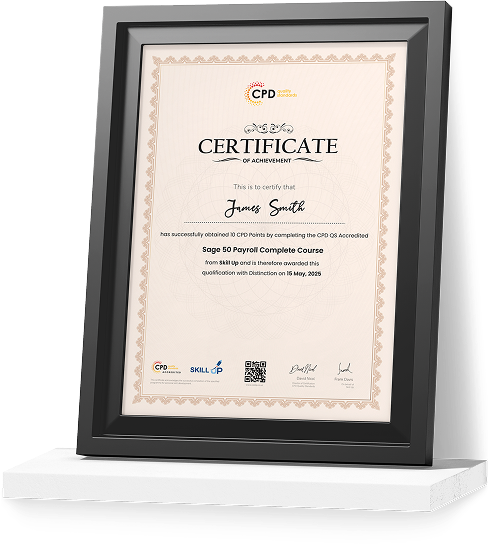
Certificate of Achievement
Earn Your Accredited Certificate with Transcript
Save 20% with the coupon code SKILL20

Show Your Certified Identity with a CPD-QS Certificate
Perfect for employers, clients, or academic verification.
Career Path
After completing this clinical coder training in the UK, you may move into roles such as:
- Trainee Clinical Coder: Converts patient records into standardised codes used for reporting and funding within healthcare systems.|Typical UK salaries range from £22,000 to £30,000.
- Medical Coding Assistant: Supports coding teams by reviewing documentation and preparing records for classification.|Salaries usually range between £21,000 and £28,000.
- Clinical Coding Analyst: Works with coded data to ensure consistency and support reporting processes across healthcare organisations.|Salaries can range from £28,000 to £40,000.
- Health Records Officer: Manages patient data systems and supports coding-related documentation processes.|Typical salaries range from £23,000 to £32,000.
- Clinical Coding Auditor: Reviews coding accuracy and ensures compliance with standards. |Salaries can reach £35,000 to £45,000+ with experience.
These roles are востребованы across NHS trusts and private healthcare providers.
Frequently Asked Questions
Yes. ICD-10-PCS procedure codes are mainly used for inpatient hospital procedures. They classify treatments and interventions carried out during hospital admissions, making them highly relevant for learners taking a DRG-PCS clinical coding course.
The duration depends on the course structure and how quickly you study. Many clinical coding courses in the UK can be completed within a few weeks to a few months, especially when delivered through flexible online learning.
Clinical coding involves reviewing patient records, identifying diagnoses and procedures, and assigning accurate codes using recognised systems. In UK healthcare, this supports NHS reporting, hospital funding, service planning, and healthcare data quality.
ICD-10-PCS uses a seven-character code structure. Each character represents a specific detail, such as section, body system, root operation, body part, approach, device, or qualifier, helping coders classify inpatient procedures consistently.
Yes. Many learners start with a clinical coding course in the UK before applying for trainee or entry-level roles. A structured course helps build confidence in medical terminology, coding logic, and inpatient procedure classification.
Accurate clinical coding is essential because it affects hospital funding, performance reporting, patient data quality, and healthcare planning. Coding errors can lead to incorrect records, financial discrepancies, and unreliable reporting.
Clinical Coding Inpatient Training: DRG-PCS Reviews
Excellent
98%
Would Recommend316
Certified Learners100%
Authentic Reviews
A well-organised and highly valuable course with clear, easy-to-understand guidance throughout. I’ve gained knowledge that’s directly relevant to my day-to-day responsibilities. It’s given me greater confidence in applying these skills professionally.
Engaging content delivered in a straightforward and structured format. The examples were realistic and helped reinforce key concepts effectively. I would certainly recommend it to colleagues looking to upskill
Comprehensive, insightful and professionally presented from start to finish. The course materials were clear and well supported. A worthwhile investment for anyone serious about career development
Curriculum
-
What is PCS?
00:08:00
-
PCS Reasons and Modifications
00:07:00
-
PCS step by step
00:10:00
-
Quick UNLEARNING before learning IP DRG
00:03:00
-
Quick Learning
00:06:00
-
Character 1 Section Relates to Type of Procedure
00:10:00
-
Character 2 Body System Refers to General Body System
00:10:00
-
Root Operations Introduction
00:06:00
-
ALTERATION
00:03:00
-
BYPASS
00:03:00
-
CHANGE
00:03:00
-
CONTROL
00:02:00
-
CREATION
00:02:00
-
DESTRUCTION
00:02:00
-
DETACHMENT
00:02:00
-
DILATION
00:03:00
-
DIVISION
00:01:00
-
DRAINAGE
00:02:00
-
EXCISION
00:03:00
-
EXTIRPATION
00:01:00
-
EXTRACTION
00:02:00
-
FRAGMENTATION
00:01:00
-
FUSION
00:03:00
-
INSERTION
00:02:00
-
INSPECTION
00:02:00
-
MAP
00:01:00
-
OCCLUSION
00:01:00
-
REATTACHMENT
00:02:00
-
RELEASE
00:02:00
-
REMOVAL
00:01:00
-
REPAIR
00:02:00
-
REPLACEMENT
00:02:00
-
REPOSITION
00:02:00
-
RESECTION
00:02:00
-
RESTRICTION
00:01:00
-
REVISION
00:02:00
-
SUPPLEMENT
00:02:00
-
TRANSFER
00:01:00
-
TRANSPLANTATION
00:03:00
-
Character 4 Body Part
00:04:00
-
Open
00:02:00
-
Percutaneous
00:02:00
-
Percutaneous Endoscopic
00:02:00
-
Via Natural or Artificial Opening
00:01:00
-
Via Natural or Artificial Opening Endoscopic
00:01:00
-
Via Natural or Artificial Opening with percutaneous endoscopic assistance
00:02:00
-
External
00:02:00
-
Character 6 Device
00:04:00
-
Character 7 Qualifier
00:02:00
-
Obstetrics
00:04:00
-
Placement
00:04:00
-
Measurements and Monitoring
00:02:00
-
Extracorporeal Assistance and Performance
00:04:00
-
Extracorporeal Therapies
00:03:00
-
Osteopathic, Other Procedures & Chiropractic
00:04:00
-
3T Technique
00:02:00
-
IP DRG PCS
00:01:00
-
Order Your Certificate

Offer Ends in
-
Duration:2 hours, 47 minutes
-
Access:1 Year
-
Units:58

7 Reviews

TAKE ALL COURSES FOR £99