Overview
Want to learn how automated trading systems analyse markets and execute trades with Python? As FinTech continues to grow, professionals with Python and algorithmic trading skills are increasingly in demand. Whether you are an aspiring algorithmic trader, Python developer, finance student, or data analyst, this Creating Automated Trading Bot Using Python course introduces the technologies behind modern trading automation.
Throughout this Algorithmic Trading Online Course, you will explore:
✓ Python programming, GitHub, version control, and development tools.
✓ Trading principles, technical indicators, and Algorithmic Trading Using Python.
✓ Building an Automated Trading Bot Using Python with structured trading logic.
✓ Broker API integration, market data processing, and automated trade execution.
As you progress, you will strengthen your knowledge of Automated Trading Using Python and Python Algorithmic Trading. Consequently, this Python Trading Bot Course provides a solid foundation for Algorithmic Trading with Python and careers in today’s growing FinTech industry.
Course Description
Automation now plays a major role in modern financial markets. Therefore, professionals with programming and trading knowledge are increasingly valued across investment firms and FinTech companies. This Creating Automated Trading Bot Using Python course follows a structured learning journey that explains how automated trading systems are designed, organised, and connected to live trading platforms. Instead of focusing only on coding, it combines programming, trading concepts, and system design to build a solid foundation in Automated Trading Using Python.
You will begin by setting up Python, Atom, GitHub, and version control before learning the core programming skills needed for trading applications. As you progress, you will explore Python libraries, loops, functions, classes, debugging, and error handling. Next, the course introduces technical and fundamental analysis, order types, risk management, candlestick charts, EMA, RSI, and stochastic indicators. Consequently, you will strengthen your understanding of Algorithmic Trading Using Python and Python for Algorithmic Trading.
Finally, you will discover how an Automated Trading Bot Using Python is structured, from entry and exit strategies to organised code and reusable functions. In addition, the course explains Alpaca broker API integration, Pandas, market data processing, technical analysis libraries, and automated order execution. By the end, you will understand Algorithmic Trading with Python, making this a valuable Python Trading Bot Course, Automated Trading Course, and one of the Best Algorithmic Trading Using Python Course options for learners seeking recognised knowledge in trading automation.
Learning Outcome
After successfully completing this course, you will be able to:
- Understand the principles of Algorithmic Trading Using Python and automated trading workflows.Understand the principles of Algorithmic Trading Using Python and automated trading workflows.
- Apply Python programming, GitHub, and version control within trading development projects.
- Analyse market trends using technical indicators, including EMA, RSI, and stochastic oscillators.
- Develop the structure of an Automated Trading Bot Using Python using organised and maintainable code.
- Implement broker API integration, financial data handling, and automated order management.
- Evaluate trading algorithms, debugging methods, and risk management techniques for automated systems.
- Demonstrate a strong foundation in Python Algorithmic Trading through this Python Trading Bot Course, supporting future progression into advanced algorithmic trading and financial technology.
Who Is This Course For?
- Aspiring algorithmic traders who want to understand Algorithmic Trading Using Python and trading automation.
- Python developers looking to apply their coding skills to financial markets and trading systems.
- Finance and investment students aiming to build knowledge of Python Algorithmic Trading and market analysis.
- Software developers interested in creating an Automated Trading Bot Using Python and working with broker APIs.
- FinTech professionals seeking to strengthen their understanding of Automated Trading Using Python and trading technologies.
- Career changers exploring opportunities in financial technology through Python for Algorithmic Trading.
- Learners searching for an Algorithmic Trading Online Course or the Best Algorithmic Trading Using Python Course to develop recognised industry knowledge.
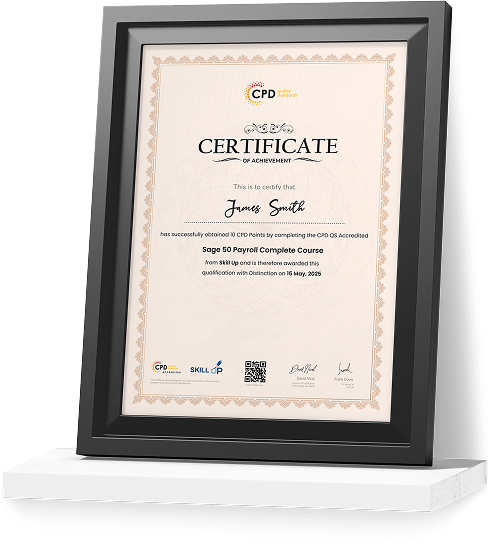
Certificate of Achievement
Earn Your Accredited Certificate with Transcript
Save 20% with the coupon code SKILL20
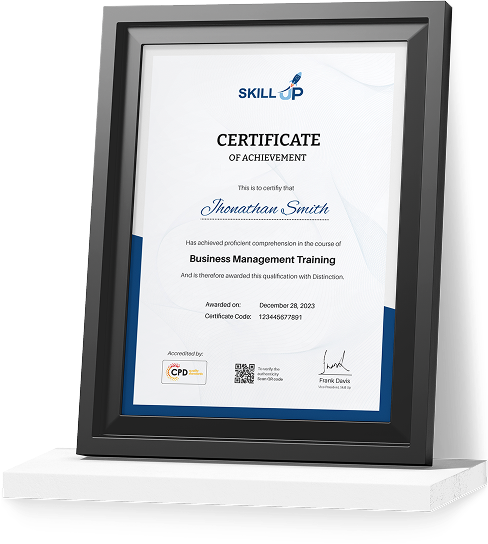
Show Your Certified Identity with a CPD-QS Certificate
Perfect for employers, clients, or academic verification.
Career Path
- Algorithmic Trading Developer – Design and maintain automated trading systems that analyse financial markets and execute trading strategies. Employers value professionals with knowledge of Algorithmic Trading with Python, trading automation, and broker API integration.|Average UK salary: £50,000–£80,000 per year.
- Python Developer (FinTech) – Build Python applications for trading platforms, financial software, and data-driven solutions. Skills gained through this Python Trading Bot Course can support opportunities across investment firms and financial technology companies.|Typical UK salary: £45,000–£70,000 annually.
- Quantitative Analyst (Junior) – Analyse financial data, evaluate trading models, and support investment decisions with quantitative methods. Understanding Python Algorithmic Trading and market analysis provides a valuable foundation for this role.|Expected salary: £45,000–£75,000 per year.
- Trading Systems Analyst – Monitor automated trading environments, review system performance, and improve trading workflows. Knowledge of Automated Trading Using Python helps support reliable and efficient trading operations.|Average UK salary: £40,000–£65,000 per year.
- Financial Data Analyst – Interpret market data, identify trends, and generate insights for financial organisations. Experience with Python for Algorithmic Trading strengthens analytical skills and supports data-driven decision-making.|Typical salary: £38,000–£60,000 annually.
- FinTech Software Engineer – Develop software that integrates market data, trading platforms, and broker APIs to support automated financial services. Completing this Automated Trading Course helps build knowledge relevant to modern FinTech careers.|Average UK salary: £50,000–£85,000 per year.
Frequently Asked Questions
Yes. Python is widely used for Automated Trading Using Python because it supports data analysis, technical indicators, broker API integration, and trading automation. Therefore, it has become a leading language for algorithmic trading and FinTech.
Building an Automated Trading Bot Using Python involves learning Python programming, trading strategies, market data processing, API integration, and order execution. This Python Trading Bot Course explains each stage through a clear, structured learning journey.
Yes. The course starts with Python fundamentals before progressing to Algorithmic Trading Using Python, making it suitable for beginners, developers, finance students, and aspiring algorithmic traders.
Yes. This Creating Automated Trading Bot Using Python course explains how trading bots are designed, coded, and connected to broker APIs. In addition, it introduces the core concepts behind Python for Algorithmic Trading and trading automation.
No. Algorithmic Trading with Python can improve speed and consistency, but profits are never guaranteed. Success depends on strategy design, testing, market conditions, and disciplined risk management.
This Automated Trading Course strengthens your knowledge of Python Algorithmic Trading, financial markets, and trading technology. As a result, it supports careers in FinTech, quantitative analysis, software development, and automated trading while offering one of the Best Algorithmic Trading Using Python Course learning pathways.
Creating Automated Trading Bot Using Python Reviews

Excellent
98%
Would Recommend103
Certified Learners100%
Authentic ReviewsA well-structured course that explained clinical data management and SAS reporting in a very clear way.
The lessons were easy to follow and gave me a much better understanding of clinical trial workflows.
Excellent course with practical examples that made SAS reporting much easier to understand.
Curriculum
-
About the course structure
00:05:00
-
Why working is important?
00:04:00
-
The free and perfect tools
00:07:00
-
Our editor: Atom
00:04:00
-
Version control: Github
00:07:00
-
Python download (Mac)
00:05:00
-
Python download (Windows)
00:02:00
-
Introduction
00:03:00
-
Python Libraries
00:05:00
-
Iterators: for
00:08:00
-
Iterators: while
00:08:00
-
Conditionals: if & else
00:10:00
-
Logic gates: and & or
00:09:00
-
Error handling: try & except
00:09:00
-
Functions and calls to libraries
00:13:00
-
Objects and classes (1)
00:10:00
-
Objects and classes (2)
00:07:00
-
Debugging the code
00:12:00
-
Closing and wrap up
00:01:00
-
Introduction
00:03:00
-
Fundamental vs Technical Analysis
00:04:00
-
Stocks vs CFDs
00:05:00
-
Long and Short positions
00:04:00
-
Takeprofit and Stoploss
00:03:00
-
Setting a real Stoploss
00:08:00
-
Limit and Market orders
00:10:00
-
Don’t forget the spread
00:04:00
-
Stock data visualisation: candles
00:08:00
-
Technical Indicators: about
00:05:00
-
Exponential Moving Average
00:08:00
-
EMA use and interpretation
00:06:00
-
Relative Strength Index
00:07:00
-
Stochastic Oscillator
00:09:00
-
Closing and wrap up
00:01:00
-
Introduction
00:02:00
-
Overview
00:08:00
-
The Entry Strategy
00:10:00
-
About Tradingview
00:12:00
-
When to enter (1)
00:08:00
-
When to enter (2)
00:08:00
-
Open and hold a position
00:12:00
-
Closing a position
00:08:00
-
Review (1)
00:06:00
-
Review (2)
00:13:00
-
Closing
00:02:00
-
Introduction
00:04:00
-
Download and install Github
00:01:00
-
Create a repo
00:10:00
-
Working with branches
00:13:00
-
Introduction
00:05:00
-
Create the first bot file
00:07:00
-
Building the bot scheme
00:08:00
-
Complete your code scheme (1)
00:11:00
-
Complete your code scheme (2)
00:11:00
-
Complete your code scheme (3)
00:18:00
-
A logger to remember (1)
00:14:00
-
A logger to remember (2)
00:14:00
-
Organising your code
00:07:00
-
Main function: run bot
00:24:00
-
Link the bot and the library
00:08:00
-
Traderlib control functions (1)
00:12:00
-
Traderlib control functions (2)
00:13:00
-
Check if tradable function
00:06:00
-
Set stoploss function
00:10:00
-
Set takeprofit function
00:04:00
-
Load historical data function
00:01:00
-
Get open positions function
00:04:00
-
Submit and cancel order functions
00:04:00
-
Check positions function
00:09:00
-
The Tulipy libraries
00:07:00
-
Importing all the libraries
00:03:00
-
First filter: get general trend
00:19:00
-
Second filter: get instant trend
00:14:00
-
Third filter: RSI
00:08:00
-
Fourth filter: Stochastic Oscillator
00:14:00
-
Enter position (1)
00:13:00
-
Enter position (2)
00:11:00
-
Enter position (3)
00:15:00
-
Enter position (4)
00:08:00
-
Last check before opening
00:13:00
-
Exit position and get out
00:10:00
-
Linking everything (1)
00:12:00
-
Linking everything (2)
00:08:00
-
Linking everything (3)
00:16:00
-
Fixing a mistake: going Short
00:05:00
-
Handling all your variables
00:18:00
-
Closing and wrap up
00:01:00
-
Run function scheme clarification and rebuild
00:13:00
-
Introduction
00:03:00
-
The Alpaca Python API Wrapper
00:07:00
-
Initialising the REST API
00:09:00
-
Running the program (crash!)
00:06:00
-
Integration with check account (1)
00:08:00
-
Integration with check account (2)
00:05:00
-
Clean open orders function
00:10:00
-
Importing the trading library
00:04:00
-
Running the main
00:05:00
-
Check position function
00:09:00
-
Check if asset exists function
00:08:00
-
Fetching barset data (theory)
00:07:00
-
Fetching barset data (practice)
00:12:00
-
Updating the code for the Alpaca API V2 (explanation)
00:03:00
-
Updating the code for the Alpaca API V2 (implementation)
00:08:00
-
Organizing data with Pandas
00:06:00
-
Get general trend function (1)
00:08:00
-
Reframing the timeframe with Pandas
00:23:00
-
Get general trend function (2)
00:13:00
-
Get instant trend function
00:08:00
-
Get RSI function
00:06:00
-
Get Stochastic function
00:10:00
-
Get current price function
00:05:00
-
Finishing get shares amount
00:09:00
-
Opening a position (1)
00:12:00
-
Opening a position (2)
00:09:00
-
Check the open position
00:07:00
-
Cancelling the order (1)
00:20:00
-
Cancelling the order (2)
00:08:00
-
Making sure we cancelled
00:03:00
-
Get average entry price function
00:10:00
-
Fixing bugs when getting price
00:18:00
-
Check Stochastic crossing
00:02:00
-
Holding an open position
00:11:00
-
Submitting the exit order
00:08:00
-
Closing position and out (1)
00:08:00
-
Closing position and out (2)
00:10:00
-
Closing and wrap up
00:01:00
-
Introduction
00:03:00
-
Filtering asset by price and volume
00:07:00
-
Get the bot ready to trade
00:04:00
-
Running the Trading Bot with AAPL
00:09:00
-
A real open position
00:08:00
-
Debugging and bug fixing
00:12:00
-
Fixing one (last) bug
00:02:00
-
Running the bot with TSLA
00:10:00
-
Discussing EMA implementations
00:12:00
-
Closing and wrap up
00:02:00
-
Order Your Certificate

Offer Ends in
-
Duration:18 hours, 37 minutes
-
Access:1 Year
-
Units:137

9 Reviews

TAKE ALL COURSES FOR £99