Overview
Diabetes Awareness & Care introduces essential knowledge around identifying diabetic conditions, treatment aims, and care challenges. This diabetes awareness course connects diagnosis, prevention, and social care impact, while supporting carers and clinical staff through structured learning pathways aligned with current diabetes courses online UK standards.
Course Description
Living with diabetes affects physical health, emotional wellbeing, and social systems; therefore, informed care remains vital. This Diabetes Awareness & Care programme presents a structured route for learners seeking clarity around diagnostic methods, treatment direction, and long-term implications. As a diabetes awareness & care course online UK, it supports healthcare environments, community settings, and residential care facilities alike. Moreover, diabetes training for carers benefits from this content through focused awareness development and risk recognition.
Furthermore, the curriculum addresses the growing diabetes challenge across society, highlighting economic pressures within social care. Consequently, learners reviewing diabetes courses for health professionals will explore prediabetes, gestational cases, and complex variants beyond common classifications. Meanwhile, online diabetes courses for nurses often require broad condition coverage; therefore, this diabetes awareness & care course online meets such expectations through structured thematic progression.
Additionally, this diabetes awareness course strengthens preventative approaches by clarifying hypoglycaemia indicators and treatment responses. Subsequently, diabetes courses online UK participants benefit from policy-aligned insights supporting patient safety. Likewise, diabetes awareness & care course materials reinforce ethical decision-making, multidisciplinary cooperation, and consistent care quality improvement across diverse professional roles.
Learning Outcome
- Identify diagnostic indicators across diabetes categories
- Recognise treatment objectives within varied diabetic conditions
- Evaluate societal and financial impacts linked to diabetes
- Distinguish between diabetes classifications and associated risks
- Apply safe response strategies for hypoglycaemic episodes
Who Is This Course For?
- Care assistants supporting individuals with diabetic conditions
- Nurses seeking online diabetes courses for nurses relevance
- Health professionals pursuing diabetes courses for health professionals
- Support workers requiring diabetes training for carers
- Learners exploring diabetes awareness & care course online pathways
Certificate of Achievement
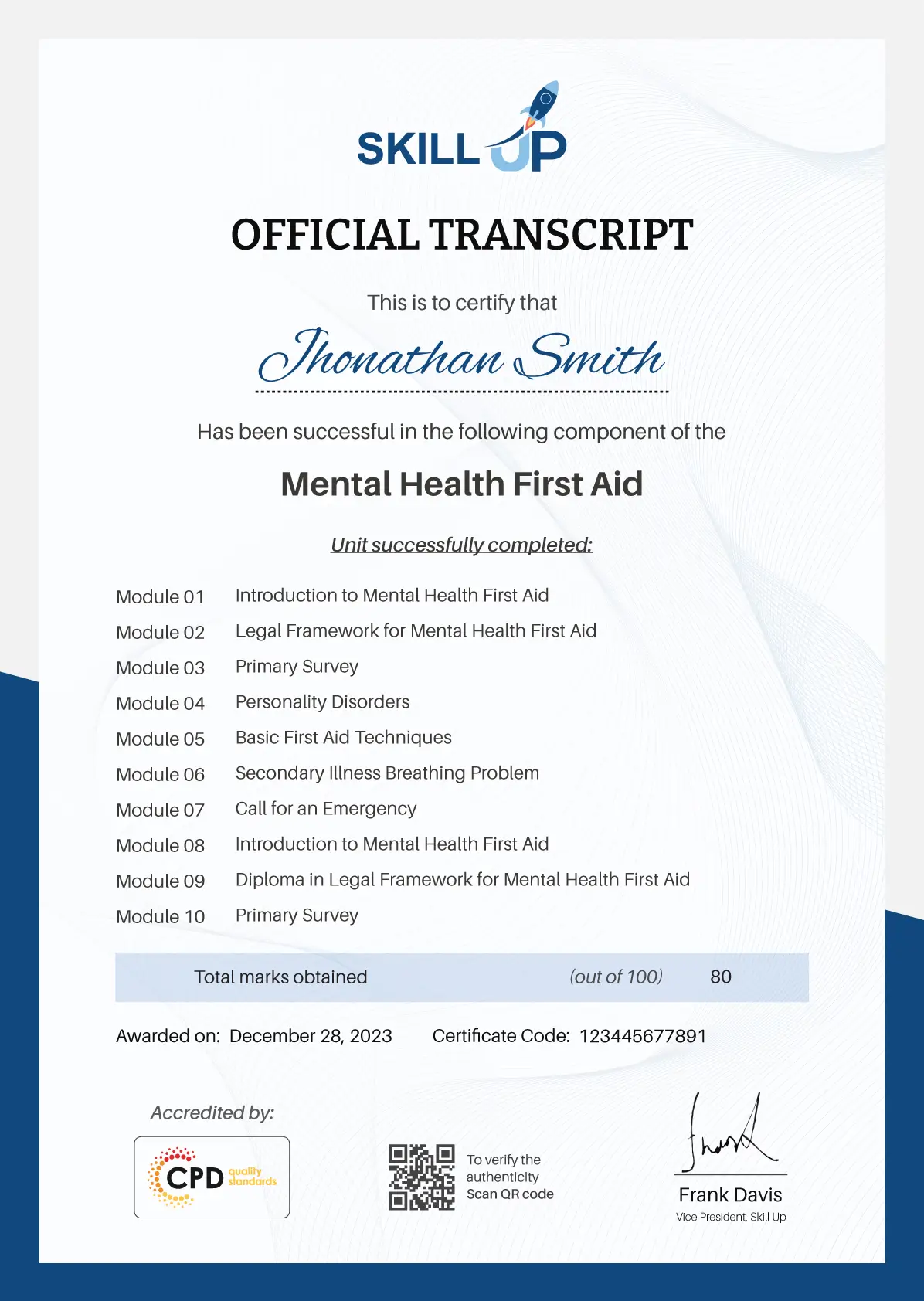
Earn Your Accredited Certificate with Transcript
Save 20% with the coupon code SKILL20

Show Your Certified Identity with a CPD-QS Certificate
Perfect for employers, clients, or academic verification.

Career Path
- Diabetes Nurse Specialist - Coordinates patient monitoring and treatment planning. £45,000–£60,000.
- Clinical Care Manager - Oversees diabetic care standards within facilities. £48,000–£65,000.
- Health Services Manager - Manages diabetes-related service delivery. £50,000–£70,000.
- Community Health Lead - Supports diabetes education initiatives. £42,000–£58,000.
- Healthcare Compliance Officer - Ensures diabetes care policy adherence. £40,000–£55,000.
Frequently Asked Questions
Diabetes is a long-term health condition where your body cannot properly control blood glucose (sugar) levels. The most common signs include feeling very thirsty, needing to pee more often, extreme tiredness, and unexplained weight loss. If you notice these symptoms, speak to your GP or NHS 111 for assessment.
There are three primary types:
– Type 1 diabetes – usually starts earlier in life and means the body cannot make insulin.
– Type 2 diabetes – more common in adults; linked to lifestyle, genetics and body weight.
– Gestational diabetes – occurs during pregnancy and often resolves after birth.
Each type requires tailored care and support from your healthcare team.
Diabetes is usually diagnosed through a blood test such as the HbA1c, which shows average blood glucose over the past few months. After diagnosis, regular checks of HbA1c, blood pressure, cholesterol, and annual eye and foot exams are important parts of ongoing care.
While Type 1 diabetes can’t currently be prevented, Type 2 diabetes risk can often be reduced by maintaining a healthy weight, eating a balanced diet, and being active. For people already living with diabetes, good diet, exercise, and following your care plan with your diabetes healthcare team help keep blood glucose stable and prevent complications.
After a diabetes diagnosis, you should receive ongoing support from your NHS diabetes care team, including guidance on medication, diet, monitoring blood glucose, and check-ups. Charities like Diabetes UK also offer helplines, community resources, and education to help you manage daily life with diabetes.
Curriculum
-
Diagnosing Diabetes
00:28:00
-
Aims of Treatment
00:16:00
-
The Diabetes Challenge
00:20:00
-
Cost of Diabetes in Social Care
00:16:00
-
Type 1 Diabetes
00:29:00
-
Type 2 Diabetes
00:21:00
-
Treatment of Type 2 Diabetes
00:25:00
-
Prediabetes
00:17:00
-
Gestational Diabetes
00:25:00
-
Other Types of Diabetes
00:21:00
-
Hypoglycaemia
00:21:00
-
Order Your Certificate
Offer Ends in
-
Duration:3 hours, 59 minutes
-
Access:1 Year
-
Units:12

50 Reviews
All
Courses for £49