Overview: HAVS (Hand-Arm Vibration Syndrome) Training
If you work with vibrating tools and equipment, understanding HAVS and its impact on worker health is essential. The HAVS (Hand-Arm Vibration Syndrome) Training course provides structured knowledge of vibration exposure, occupational health risks, workplace safety measures, and regulatory responsibilities. Many industries rely on powered hand tools, making awareness of vibration-related hazards increasingly important.
Hand-Arm Vibration Syndrome is a serious occupational condition that can affect workers exposed to prolonged vibration from machinery and handheld equipment. Construction, manufacturing, engineering, forestry, and maintenance sectors continue to prioritise HAVS prevention through proper training, risk assessment, and workplace control measures.
This course introduces the causes, symptoms, assessment methods, and prevention strategies associated with Hand-Arm Vibration Syndrome. Learners will explore common vibration-related disorders, workplace monitoring procedures, risk reduction techniques, and legal requirements that help protect employees from long-term health complications.
Whether you are an employer, supervisor, health and safety officer, site manager, or equipment operator, this training course provides valuable knowledge that supports workplace safety, regulatory compliance, and employee wellbeing.
What Is HAVS (Hand-Arm Vibration Syndrome) Training?
HAVS (Hand-Arm Vibration Syndrome) Training focuses on the health risks associated with exposure to hand-transmitted vibration generated by powered tools and machinery. The course examines how vibration affects the hands, fingers, nerves, blood vessels, muscles, and joints, potentially leading to long-term occupational health conditions.
In this training course, learners explore the causes and symptoms of Hand-Arm Vibration Syndrome, including vibration white finger, carpal tunnel syndrome, and musculoskeletal disorders. The programme explains how HAVS develops, how risks are assessed, and how employers and workers can reduce exposure.
The training also examines workplace monitoring systems, employee assessment procedures, and effective risk management strategies. Learners develop knowledge of safe working practices and the responsibilities associated with controlling vibration exposure.
By the end of the course, learners develop knowledge of HAVS hazards, risk assessment procedures, exposure controls, and legal compliance requirements. These competencies support safer working environments and improved occupational health management.
Course Description
The HAVS (Hand-Arm Vibration Syndrome) Training course begins with an introduction to vibration exposure and the development of Hand-Arm Vibration Syndrome. Learners explore how vibration is transmitted through tools and equipment, how exposure occurs, and why HAVS remains a significant occupational health concern across multiple industries.
The course then examines common vibration-related syndromes and health conditions associated with prolonged exposure. Learners study the physical effects of vibration on the circulatory, neurological, and musculoskeletal systems while exploring how symptoms can develop gradually over time.
The curriculum continues with HAVS assessment and monitoring procedures. Participants explore workplace health surveillance programmes, employee screening methods, exposure measurement techniques, and the importance of early identification of symptoms.
Further modules focus on controlling workplace risks associated with vibration exposure. Learners examine engineering controls, administrative controls, safe working practices, equipment maintenance procedures, and strategies that help minimise employee exposure to harmful vibration levels.
The course concludes by exploring relevant laws and regulations governing vibration exposure in the workplace. Learners review employer responsibilities, employee duties, legal compliance requirements, and occupational safety standards designed to protect workers from Hand-Arm Vibration Syndrome. By completing this training course, participants develop comprehensive knowledge of HAVS prevention, workplace safety, and occupational health management.
Learning Outcome
- Understand the causes and effects of Hand-Arm Vibration Syndrome
- Identify common symptoms associated with HAVS
- Recognise vibration-related health conditions and syndromes
- Understand workplace exposure risks associated with vibrating tools
- Apply basic HAVS assessment and monitoring principles
- Identify methods used to control vibration exposure
Course media
Who Is This Course For?
- Construction workers operating vibrating machinery and power tools.
- Health and safety officers responsible for workplace risk management.
- Site supervisors and managers overseeing employee safety programmes.
- Maintenance and engineering personnel exposed to vibration-producing equipment.
- Employers seeking to improve compliance with workplace health and safety regulations.
Why Enrol in This course?
Workplace vibration exposure continues to present significant health risks across many industries. Organisations must ensure employees understand how vibration affects health and how appropriate control measures can reduce the likelihood of developing Hand-Arm Vibration Syndrome.
This training course provides structured knowledge of vibration hazards, health surveillance, risk assessments, and legal compliance requirements. The curriculum explains how employers and workers can work together to create safer working environments.
Knowledge of HAVS prevention contributes to improved workplace safety, reduced occupational illness, and stronger compliance with health and safety legislation. Employers increasingly value individuals who understand occupational health risks and workplace control measures.
Whether you work in construction, manufacturing, engineering, maintenance, or health and safety management, this course supports professional development and workplace compliance objectives.
HAVS (Hand-Arm Vibration Syndrome) Training Career Path
Knowledge of HAVS and occupational health management supports a variety of workplace safety and operational roles.
Typical career pathways include:
Health and Safety Officer — £28,000–£45,000
Supports workplace compliance, employee safety programmes, and risk management activities.
Construction Supervisor — £30,000–£50,000
Oversees construction activities while ensuring compliance with health and safety regulations.
Site Manager — £40,000–£65,000
Manages operational safety procedures and workplace risk controls.
Maintenance Technician — £25,000–£40,000
Operates and maintains machinery while following safe equipment usage procedures.
Occupational Health Coordinator — £30,000–£48,000
Supports workplace health monitoring and employee wellbeing initiatives.
Health and Safety Manager — £45,000–£70,000
Develops and implements organisational health and safety strategies.
Professionals with knowledge of Hand-Arm Vibration Syndrome and workplace risk control can progress into health and safety leadership, compliance, and occupational health roles.
Enrol Today – Strengthen Workplace Safety Knowledge
By enrolling in this HAVS (Hand-Arm Vibration Syndrome) Training course, you begin developing knowledge that supports safer workplaces and improved employee wellbeing.
Understanding vibration exposure risks helps organisations reduce occupational illness, improve compliance, and protect workers from long-term health complications associated with Hand-Arm Vibration Syndrome.
Start building the knowledge that supports effective risk management, workplace safety, and occupational health protection.
Certificate of Achievement
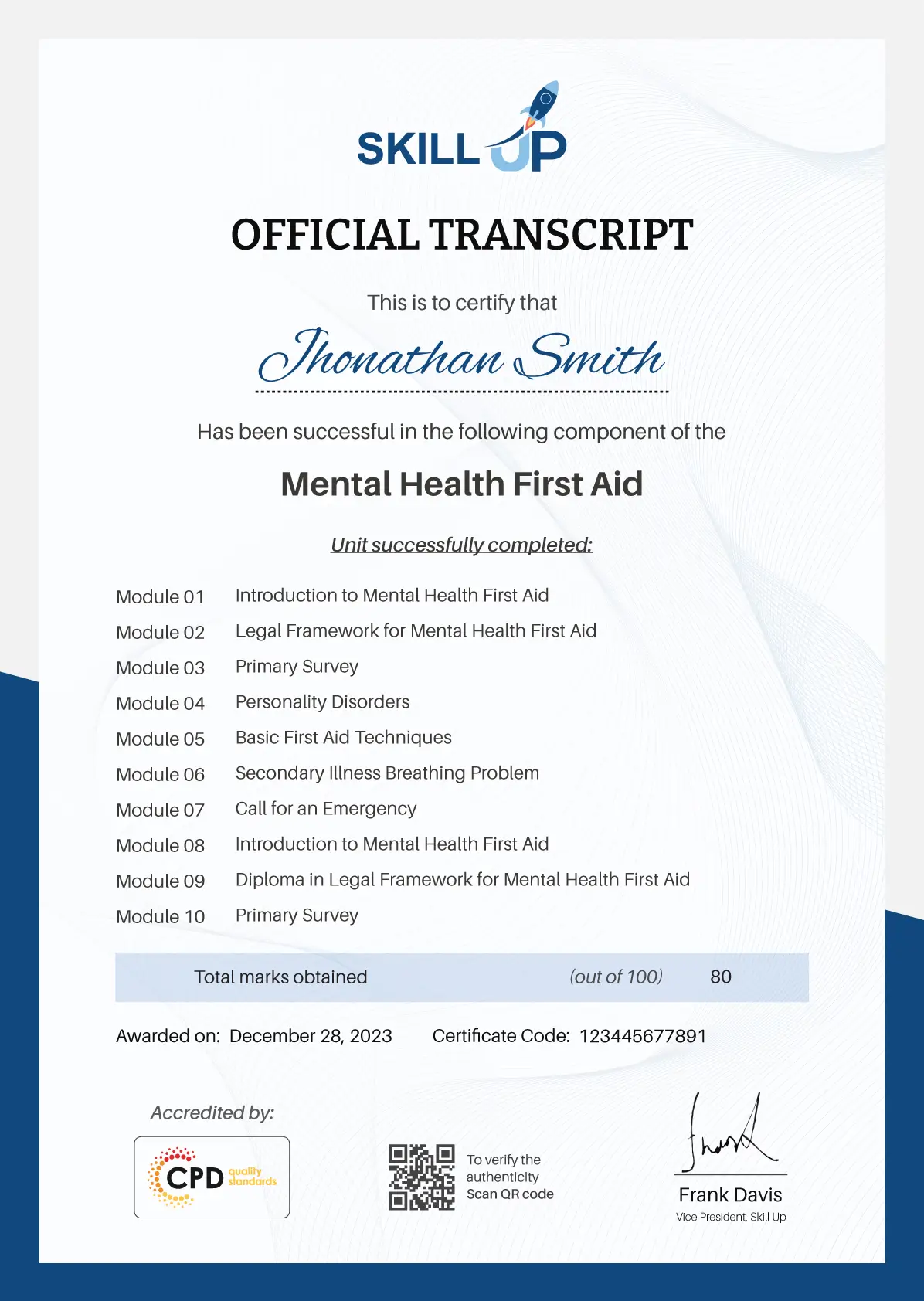
Upon successfully completing this HAVS (Hand-Arm Vibration Syndrome) Training course, learners will receive an Accredited Certificate confirming their knowledge of vibration exposure risks, occupational health management, and workplace safety procedures.
We provide two recognised certificate options:
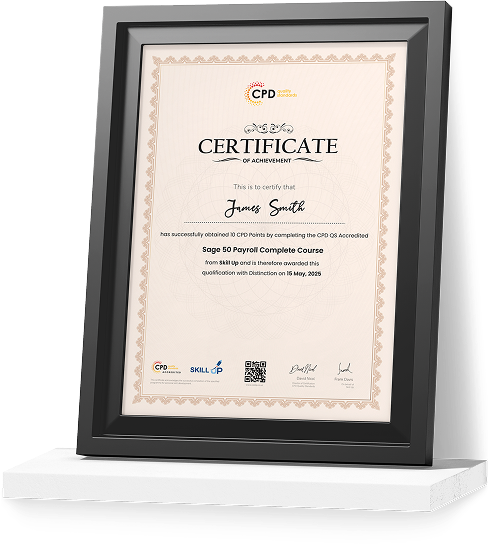
CPD-QS Certificate
Learners can obtain a certificate accredited by CPD Quality Standards (CPD-QS). This accreditation confirms that the course meets recognised Continuing Professional Development standards and supports professional development in workplace health and safety.
SKILL UP Brand Recognised Certificate
Learners will also receive a SKILL UP Certificate of Completion. This certificate verifies successful completion of the training and achievement of the required learning outcomes relating to HAVS awareness, risk management, and occupational safety procedures.
Both certificates demonstrate commitment to workplace safety, employee wellbeing, and regulatory compliance.
Earn Your Accredited Certificate with Transcript
Save 20% with the coupon code SKILL20
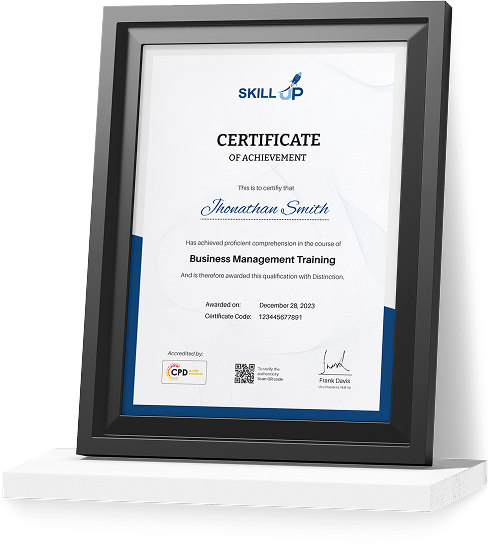
Show Your Certified Identity with a CPD-QS Certificate
Perfect for employers, clients, or academic verification.
Frequently Asked Questions
Hand-Arm Vibration Syndrome, or HAVS, is a work-related condition caused by regular exposure to vibrating tools or machinery. It can affect nerves, blood vessels, joints and grip strength, with vibration white finger being one of the most recognised symptoms.
HAVS training is suitable for construction workers, maintenance technicians, engineers, machine operators, facilities teams, supervisors and health and safety staff who use or manage vibrating tools such as grinders, drills, breakers, sanders or chainsaws.
This HAVS course covers hand-arm vibration awareness, common syndromes, HAVS assessment, vibration white finger, risk control methods, health surveillance awareness, reporting responsibilities and workplace duties linked to vibration at work.
Yes. This HAVS training online course allows learners to study hand-arm vibration risks, symptoms, assessment principles, control measures and regulations flexibly. It is ideal for busy workers, employers and safety teams.
Yes. HAVS awareness training helps employers and workers understand vibration risks, exposure control and legal duties under the Control of Vibration at Work Regulations. It supports safer working habits and better risk management.
There is no simple cure for HAVS once lasting damage has occurred. However, early awareness, reporting, health checks and reduced vibration exposure can help prevent symptoms from getting worse and protect workers’ long-term health.
HAVS (Hand-Arm Vibration Syndrome) Training Reviews
Excellent
98%
Would Recommend5
Certified Learners100%
Authentic Reviews
A well-organised and highly valuable course with clear, easy-to-understand guidance throughout. I’ve gained knowledge that’s directly relevant to my day-to-day responsibilities. It’s given me greater confidence in applying these skills professionally.
Engaging content delivered in a straightforward and structured format. The examples were realistic and helped reinforce key concepts effectively. I would certainly recommend it to colleagues looking to upskill
Comprehensive, insightful and professionally presented from start to finish. The course materials were clear and well supported. A worthwhile investment for anyone serious about career development
Curriculum
-
Introduction to Hand-arm Vibration and HAVS
00:23:00
-
Popular Syndromes
00:24:00
-
HAVS Training and Assessment
00:24:00
-
Controlling Risks
00:27:00
-
Laws and Regulations
00:16:00
-
Order Your Certificate

Offer Ends in
-
Duration:1 hour, 54 minutes
-
Access:1 Year
-
Units:6

7 Reviews

TAKE ALL COURSES FOR £99