
Overview
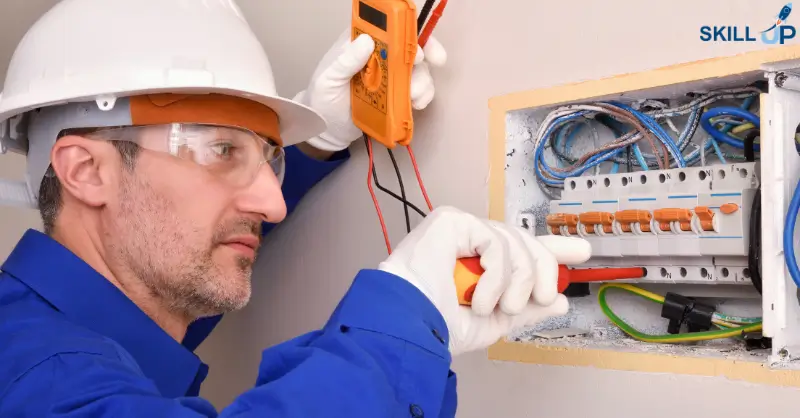
Electrical Safety defines the procedures and precautions that protect people, property and systems from the hazards posed by electrical energy. In this Electrical Safety programme, learners explore the science of alternating and direct current, voltage, resistance, capacitance and equipment behaviour. Safety Precautions and Working Safely with Electrical Equipment form the foundation of risk avoidance, whilst modules on Electrical Incidents, Risk Assessment and Reducing and Controlling Risks focus attention on preventing harm. Combined Inspection and Testing leads seamlessly into Portable Appliance Testing principles, ensuring that inspection practice meets regulatory standards. The PAT Testing Training course element hones competence in inspection methods that underpin consistent safety outcomes.
Course Description
Imagine walking into any building knowing that every wire, plug and circuit has been evaluated with precision. This Electrical Safety programme blends essential theory with methodical inspection practice in a way that prepares you for professional roles. In the first phase, you examine Safety Precautions, Direct and Alternating Current, Voltage and Resistance, and Capacitors. These technical foundations clarify how electrical energy behaves, which makes it easier to assess risks and recognise hazards before they escalate.
As you progress, Working Safely with Electrical Equipment, Electrical Incidents and Risk Assessment shape a mindset centred on vigilance and systematic control measures. Through this progression you will not only interpret risk factors but also learn to mitigate them using accepted strategies. The later portion of the curriculum introduces Combined Inspection and Testing and leads directly into Portable Appliance Testing practices that align with current compliance expectations. These modules immobilise uncertainty about equipment condition and underscore the role of thorough examination in everyday environments.
Finally, the PAT Testing Training course segment introduces you to instruments for testing, inspection techniques, and Electrical Installation Testing. By connecting core principles to real inspection routines, you build confidence in producing accurate reports that satisfy your criteria. The course culminates in Safety Precautions in Electrical Testing, ensuring that evaluation does not itself introduce vulnerability. Throughout, emphasis remains on applying structured processes that promote dependable safety standards and performance accountability.
Learning Outcome
- Explain key electrical principles relevant to risk reduction
- Apply systematic evaluation methods to electrical systems
- Conduct inspection and testing in compliance with statutory codes
- Assess and control hazards associated with electrical installations
- Use inspection instruments effectively within a Portable Appliance Testing
Who Is This Course For?
- Individuals pursuing roles involving Electrical Safety oversight
- Technicians responsible for routine appliance checks and compliance
- Facility managers seeking competence with inspection standards
- Persons tasked with risk assessment in built environments
- Learners preparing for inspection-related qualifications
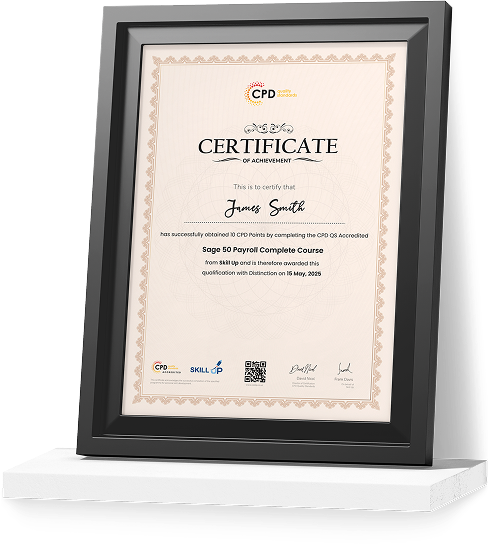
Certificate of Achievement
Earn Your Accredited Certificate with Transcript
Save 20% with the coupon code SKILL20
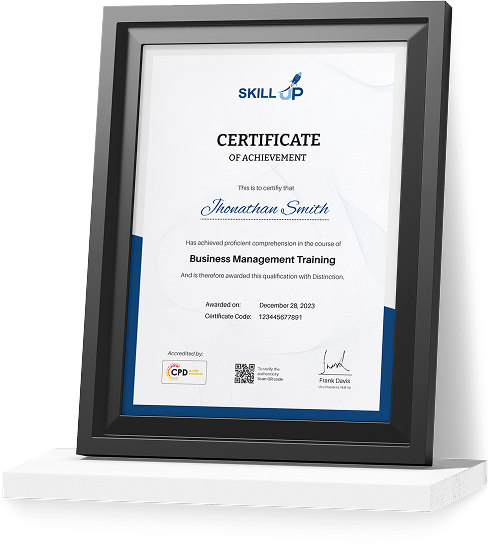
Show Your Certified Identity with a CPD-QS Certificate
Perfect for employers, clients, or academic verification.
Career Path
- Electrical Safety Officer: £28,000–£50,000
- PAT Testing Engineer: £28,000–£40,000
- Portable Appliance Tester: £16,800–£33,600
- Electrical Inspector: £44,460–£62,400
- Electrical Test Technician: £38,000–£52,000
Frequently Asked Questions
Portable Appliance Testing (PAT) is the process of checking electrical appliances to ensure they are safe to use. In the UK, PAT testing helps businesses comply with electrical safety regulations, reduce the risk of electric shock and fire, and meet Health and Safety Executive (HSE) guidance. Regular PAT testing is essential for protecting employees, customers, and property.
Â
PAT testing itself is not a specific legal requirement, but UK law does require electrical equipment to be safe. This obligation comes from regulations such as the Electricity at Work Regulations 1989. PAT testing is the most widely accepted way to demonstrate compliance with UK electrical safety law and HSE expectations.
Â
There is no fixed legal interval for PAT testing in the UK. The frequency depends on factors such as the type of equipment, how often it is used, and the working environment. For example, office equipment may need less frequent testing than tools used on construction sites. A risk assessment should determine the appropriate PAT testing schedule.
Â
Employers, landlords, and duty holders are responsible for ensuring electrical equipment is safe. This includes arranging PAT testing where appropriate and keeping records of inspections. Responsibility applies to offices, shops, schools, rental properties, and industrial settings across the UK.
Â
PAT testing does not have to be carried out by a qualified electrician, but it must be done by a competent person with the right training, knowledge, and equipment. Many UK businesses choose trained PAT testers or accredited electrical safety professionals to ensure accurate testing and compliance with best practice.
Â
Advanced Electrical Safety & Portable Appliance Testing Training Reviews
Excellent
98%
Would Recommend1
Certified Learners100%
Authentic Reviews
A well-organised and highly valuable course with clear, easy-to-understand guidance throughout. I’ve gained knowledge that’s directly relevant to my day-to-day responsibilities. It’s given me greater confidence in applying these skills professionally.
Engaging content delivered in a straightforward and structured format. The examples were realistic and helped reinforce key concepts effectively. I would certainly recommend it to colleagues looking to upskill
Comprehensive, insightful and professionally presented from start to finish. The course materials were clear and well supported. A worthwhile investment for anyone serious about career development
Curriculum
-
Safety Precautions
00:48:00
-
Direct Current
00:21:00
-
Alternating Current
00:21:00
-
Voltage and Resistance
00:22:00
-
Capacitance and Capacitors
00:20:00
-
Working Safely with Electrical Equipment
00:19:00
-
Electrical Incidents
00:12:00
-
Risk Assessment
00:23:00
-
Reducing and Controlling Risks
00:21:00
-
Combined Inspection and Testing
00:40:00
-
Introduction to Portable Appliance Testing
00:21:00
-
Instruments for Testing and Equipment Inspection
00:16:00
-
Electrical Installation Testing
00:55:00
-
Safety Precautions in Electrical Testing
00:13:00
-
Mock Exam – Electrical Safety Advanced Diploma
00:20:00
-
Final Exam – Electrical Safety Advanced Diploma
00:20:00
-
Order Your Certificate
00:01:00
Offer Ends in
-
Duration:6 hours, 33 minutes
-
Access:1 Year
-
Units:17

8 Reviews

TAKE ALL COURSES FOR £99