
Overview
Have you ever stood in front of a centuries-old painting or artefact and wondered how it survives time, light, and environmental damage? If you are passionate about protecting cultural heritage and want to understand how museums preserve history for future generations, this Art Conservation Course UK offers a structured entry into this specialist field.
This programme suits learners aiming for museums, galleries, archives, or heritage organisations. It also supports those searching for an art conservation online course in the UK or an art conservation training course with recognised value, alongside museum conservation course in the UK and heritage conservation course UK pathways. You will explore:
✓ Documentation, examination, and material analysis.
✓ Preventive conservation and environmental control.
✓ Conservation ethics and legal responsibilities.
✓ Professional practice and collections career skills.
As demand grows for art conservation courses UK, this course builds a strong foundation for a respected cultural career.
Course Description
This art conservation course online in the UK is designed to introduce learners to the structured processes involved in preserving artworks, cultural objects, and heritage collections. It provides a clear learning pathway into how conservation principles are applied within museums, galleries, and archival environments.
You begin by exploring the foundational principles of conservation, including how different materials behave over time and how environmental conditions influence deterioration. This creates a strong base for understanding how professionals assess and interpret the condition of artworks with accuracy and care.
As you progress, you will study documentation and examination techniques used in conservation environments. These methods help identify structural issues, material changes, and preservation needs in a systematic way. Alongside this, you will explore static and dynamic properties that affect the long-term stability of cultural objects.
The course also places strong emphasis on preventive conservation strategies. You will understand how factors such as temperature, humidity, light exposure, and handling practices influence preservation outcomes. This allows you to recognise how damage can be minimised before it occurs, rather than after deterioration.
Further into the learning journey, you will examine conservation techniques, specialised approaches, and ethical decision-making frameworks used in professional settings. Legal responsibilities are also introduced to ensure the responsible handling of cultural heritage.
Finally, you will explore professional practice, including museum workflows, collections care course UK standards, and real-world conservation environments. This creates a strong foundation for learners aiming to progress into heritage conservation course UK pathways or structured museum roles.
Learning Outcome
- Understand core principles of art conservation and cultural heritage preservation.
- Analyse material behaviour and deterioration processes in artworks and artefacts.
- Develop accurate documentation and condition assessment skills used in conservation work.
- Apply preventive conservation methods to reduce environmental and handling damage.
- Evaluate conservation ethics and legal frameworks in professional contexts.
- Demonstrate knowledge of specialised conservation techniques and approaches.
- Implement structured collections care practices in heritage environments.
Who Is This Course For?
- Individuals aiming to enter art conservation courses in the UK and build careers in museums or heritage organisations.
- Career changers seeking structured entry into a museum conservation course or gallery-based roles.
- Learners looking for an art conservation certificate course to develop recognised conservation knowledge.
- Students interested in art conservation short courses in the UK for flexible career-focused learning.
- Museum, archive, or gallery support staff wanting to strengthen collections care skills.
- Individuals exploring preventive conservation course pathways in cultural heritage environments.
- Passionate learners who want to protect artworks, artefacts, and historical collections for future generations.
Certificate of Achievement
Skill Up Recognised Certificate
Upon successful completion of this course, you can request a Skill Up Recognised Certificate. This certification carries great significance and remains a testament to your skills for a lifetime.Â
- PDF Certificate + PDF Transcript: £14.99
- Hardcopy Certificate + Hardcopy Transcript: £19.99
- Delivery Charge: £10.00 (Applicable for International Students)
Earn Your Accredited Certificate with Transcript
Save 20% with the coupon code SKILL20
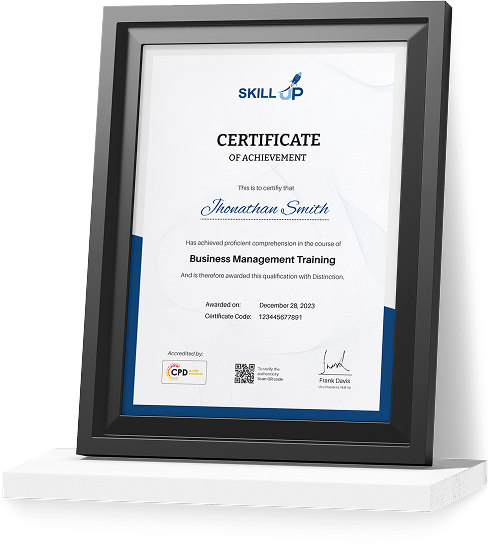
Show Your Certified Identity with a CPD-QS Certificate
Perfect for employers, clients, or academic verification.

Career Path
The Art Conservation Course UK opens doors to a range of specialised roles within museums, galleries, archives, and heritage organisations across the UK. As cultural institutions continue to expand conservation and collections care teams, demand for skilled professionals in this field remains steady.
- Conservation Assistant – Works alongside conservation teams to support documentation, object handling, and the preservation of artworks in museum and gallery settings.|This role often serves as an entry point into the conservation sector, with a salary range of £22,000–£28,000.
- Collections Care Assistant – Focuses on the safe storage, environmental monitoring, and careful handling of cultural collections.|In addition, this role helps maintain stable conditions for artefacts, with salaries typically between £23,000–£30,000.
- Museum Technician – Supports the preparation, installation, and maintenance of artefacts for exhibitions and public displays.|This position plays an important role in ensuring objects are presented and preserved correctly, earning around £25,000–£32,000.
- Conservation Technician – Assists with material analysis, treatment preparation, and structured preservation planning under senior conservators.|This role bridges technical support and conservation practice, with salaries ranging from £28,000–£38,000.
- Heritage Conservation Officer – Works within heritage organisations to support the protection of historical sites and artefacts through structured conservation planning.|This role is typically broader in scope, with salaries between £32,000–£45,000.
- Assistant Conservator – Engages in documentation, treatment assistance, and conservation processes within professional environments.|This role supports more advanced conservation work, with earning potential of £30,000–£42,000.
Overall, these roles reflect a clear progression pathway for learners completing an art conservation training course, especially those aiming to build long-term careers in cultural preservation and museum-based environments.
Frequently Asked Questions
Art conservation involves preserving, protecting, and caring for artworks, artefacts, and cultural heritage objects. It focuses on preventing deterioration, maintaining historical integrity, and supporting the long-term care of collections in museums, galleries, and heritage organisations.
Most Art Conservators develop knowledge in conservation principles, collections care, heritage preservation, and material studies before progressing into specialist roles. An Art Conservation Course UK provides a strong foundation for learners exploring museum conservation course UK and heritage conservation course UK pathways.
Not always. While some advanced conservation roles may require higher education, many learners begin with an art conservation certificate course to build subject knowledge and demonstrate commitment to the field before pursuing further study or career opportunities.
Art conservation focuses on preserving and protecting objects from future damage, whereas art restoration often involves repairing existing damage. Because the two fields are closely linked, many learners interested in art restoration courses UK also study conservation principles.
while experienced conservation professionals, heritage specialists, and senior conservators can earn £40,000 or more within museums and cultural institutions.
Yes. An art conservation online course UK offers flexible learning and introduces key topics such as preventive conservation, collections care, environmental control, documentation, and conservation ethics. It is a popular route for learners seeking art conservation courses online with certificate options.
Art Conservation Reviews
Excellent
98%
Would Recommend879
Certified Learners100%
Authentic ReviewsAn engaging course that provided a fascinating insight into the world of art conservation and preservation.
The modules were well structured and offered a strong understanding of conservation principles and practices.
Excellent coverage of conservation techniques and environmental control. Highly educational throughout.
Curriculum
-
Module 01: Introduction and Fundamentals of Art Conservation
00:08:00
-
Module 02: Documentation, Examination, and Material Science
00:07:00
-
Module 03: Static and Dynamic Properties
00:06:00
-
Module 04: Preventive Conservation and Environmental Control
00:06:00
-
Module 05: Conservation Techniques, Treatments, and Specialisations
00:08:00
-
Module 06: Ethics and Legal Issues in Art Conservation
00:07:00
-
Module 07: Professional Practice, Career Development, and Final Project
00:09:00
-
Order Your Certificate
Offer Ends in
-
Duration:51 minutes
-
Access:1 Year
-
Units:8

14 Reviews

TAKE ALL COURSES FOR £99