Overview
This Medication Diploma course explores structured control, ethical oversight, and accurate coordination of medicines across health settings. Through medicine management principles, learners examine prescribing pathways, pharmacological responses, and safety governance. Moreover, it integrates Medicine handling with legal accountability, while reinforcing Safe Handling of Medications across infection-controlled contexts. Additionally, anatomy, hygiene, and aseptic methods inform responsible Medicine management in palliative services and residential care. As a result, the Medication Diploma course supports job readiness through compliance-driven knowledge aligned with contemporary healthcare standards.
Course Description
Imagine confidently supporting wellbeing where accuracy defines safety. This Medication Diploma introduces medicine systems through a structured pathway. Initially, medicine management fundamentals explain how therapeutic decisions influence outcomes. Consequently, prescribing coordination, optimisation principles, and pharmacological responses become interconnected, strengthening Medicine management across clinical scenarios.
Moreover, the programme emphasises error prevention within diverse care settings. Topics surrounding Medicine handling address storage discipline, dosage monitoring, and documentation integrity. Meanwhile, Safe Handling of Medications integrates aseptic technique, hygiene governance, and infection-control standards. Therefore, learners develop awareness of contamination risks while supporting vulnerable individuals through controlled processes.
Finally, legal frameworks reinforce accountability throughout residential aged care facilities and palliative environments. Law, legislation, and ethical responsibility inform professional conduct, while anatomy knowledge supports medication suitability. As such, this Medication Diploma builds compliance-focused capability through Medicine management, repeated Medicine handling, and reinforced Safe Handling of Medications, ensuring care delivery aligns with national healthcare expectations.
Learning Outcome
- Apply Medicine management frameworks within healthcare contexts
- Interpret pharmacological approaches addressing common treatment challenges
- Implement Safe Handling of Medications following infection-control standards
- Coordinate lawful Medicine handling within care documentation systems
- Support therapeutic delivery through structured Medication Diploma knowledge
Who Is This Course For?
- Healthcare assistants supporting medicine coordination
- Residential care workers managing daily prescriptions
- Support staff within palliative environments
- Individuals pursuing healthcare compliance roles
- Learners preparing for regulated medication responsibilities
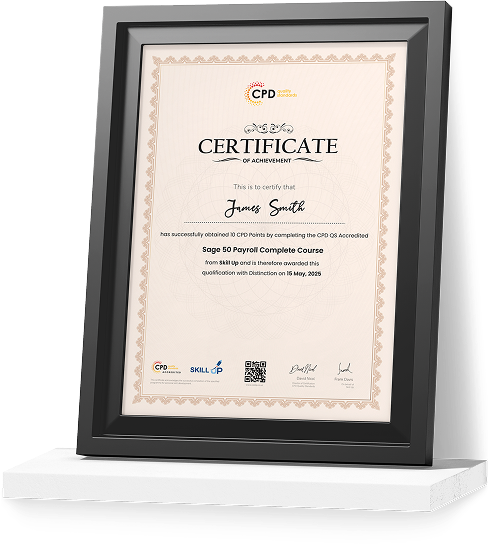
Certificate of Achievement
Earn Your Accredited Certificate with Transcript
Save 20% with the coupon code SKILL20
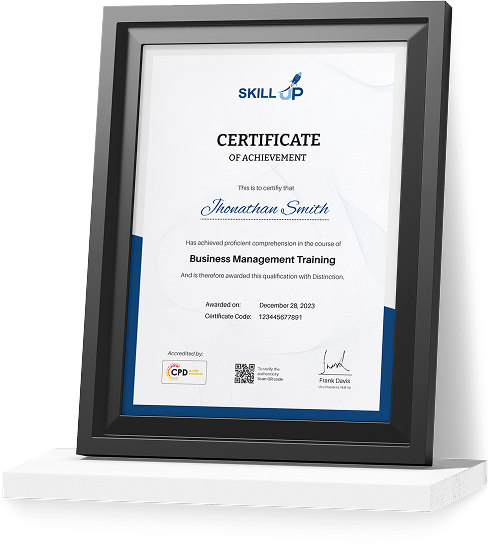
Show Your Certified Identity with a CPD-QS Certificate
Perfect for employers, clients, or academic verification.
Career Path
- Medication Administration Assistant — £22,000–£28,000
- Care Home Medication Supervisor — £25,000–£32,000
- Pharmacy Support Worker — £23,000–£30,000
- Clinical Care Coordinator — £27,000–£35,000
- Healthcare Support Practitioner — £24,000–£31,000
Frequently Asked Questions
This refers to the safe, legal and effective process of handling, giving and monitoring medicines to patients in health and care settings. It includes checking prescriptions, administering medicines correctly, recording doses given (e.g., using a Medication Administration Record or MAR) and applying safety protocols to prevent errors or harm.
In the UK, registered healthcare professionals (e.g., doctors, nurses, pharmacists) can administer medications within their scope of practice. Appropriately trained and competent non-registered staff may also administer medicines in settings such as care homes or domiciliary care under agreed governance frameworks.
Medication safety follows structured checks often known as the “rights” of medication administration — e.g., right patient, right medicine, right dose, right time, right route — to reduce avoidable errors and protect patients.
Staff must be trained in safe medication handling and administration principles, including legislation (e.g., Human Medicines Regulations), appropriate record-keeping and awareness of risks. Organisations must also have policies and competency assessments in place to ensure ongoing safe practice.
Curriculum
-
Medicine Management Fundamentals
00:37:00
-
Importance of Medicine Management
00:25:00
-
Prescribing Medication Effectively
00:27:00
-
Common Problems – Pharmacological Management
01:05:00
-
Common Medicines to Use
00:20:00
-
Palliative Care
00:24:00
-
The Four Principles of Medicine Optimisation
00:24:00
-
Managing Medication in Residential Aged Care Facilities (RACFs)
00:35:00
-
Law and Legislation
00:19:00
-
Basics of Medicine Handling
00:15:00
-
Safe Handling of Medications
00:15:00
-
Aseptic Technique and Health & Safety Management
00:17:00
-
Anatomy and physiology of Body Parts
00:16:00
-
Importance Hygiene & Cleanliness
00:15:00
-
Standard Precautions for Infection Control
00:17:00
-
Feedback
00:01:00
-
Get Your CPD Certificate
00:01:00
Offer Ends in
-
Duration:6 hours, 13 minutes
-
Access:1 Year
-
Units:17

9 Reviews
All
Courses for £49