
Overview
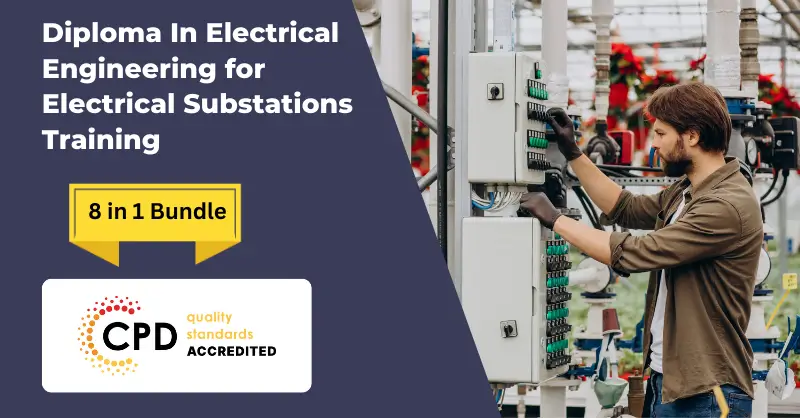
Diploma In Electrical Engineering presents advanced electrical systems knowledge with a strong focus on substations, high-voltage networks, and control systems. Therefore, the programme explains circuit behaviour, digital devices, and power generation within industrial environments. Moreover, it aligns electrical machines, protection frameworks, and simulation tools into a single structured pathway. Consequently, learners explore system stability, fault analysis, and automation logic. In addition, this Electrical Engineering course integrates analytical software with real-world electrical infrastructure concepts used across the UK energy sector.
Course Description
Electric power systems shape modern infrastructure; therefore, this diploma begins by introducing substation engineering and high-voltage generation principles. Consequently, learners explore three-phase systems, short-circuit evaluation, and AC circuit behaviour through structured modules. Moreover, intelligent electrical devices and digital circuits support system reliability. As a result, this Electrical Engineering course develops analytical confidence across power environments.
Progressively, the curriculum connects electrical machines with protection and control strategies. Furthermore, high-voltage power circuits are explained alongside safeguarding logic and network coordination. Meanwhile, MATLAB Simulink strengthens system modelling capability and control interpretation. Consequently, learners engage with predictive analysis rather than isolated theory. Additionally, this Electrical Engineering course reflects operational expectations within UK substations.
Finally, the diploma supports career progression across energy, utilities, and automation sectors. Therefore, its structure promotes informed technical decision-making. Moreover, generation, transmission, and distribution concepts remain interconnected throughout delivery. As a result, learners develop structured insight suitable for regulated engineering roles. Ultimately, this Electrical Engineering course supports confident participation in complex electrical operations.
Course List in this Bundle
- âž½ Course 01: Professional Electrical Engineering Course for Electrical Substations
- âž½ Course 02: Digital Electric Circuits and Intelligent Electrical Devices
- ➽ Course 03: HV Three Phase Systems – Short Circuit Analysis
- âž½ Course 04: Professional Electrical Engineering Course to Handle Electrical Machines
- âž½ Course 05: AC Electrical Circuit Analysis
- ➽ Course 06: High Voltage Power Circuits – Protection and Control
- âž½ Course 07: Professional Electrical Engineering Course for High Voltage Generation
- âž½ Course 08: MATLAB Simulink for Control Systems
Learning Outcome
- High-voltage system analysis capability
- Circuit fault evaluation proficiency
- Electrical machine operation awareness
- Power protection coordination insight
- Control system simulation application
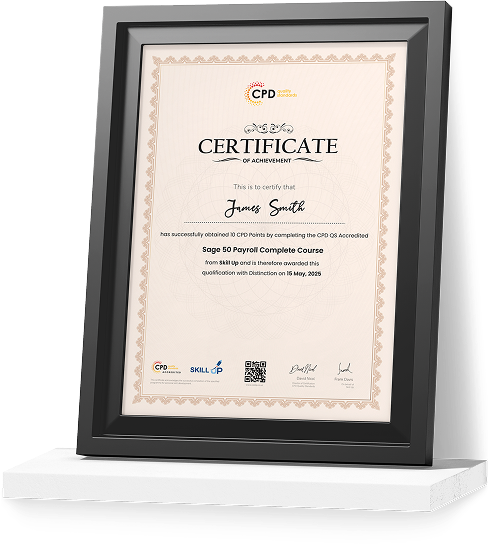
Certificate of Achievement
Earn Your Accredited Certificate with Transcript
Save 20% with the coupon code SKILL20
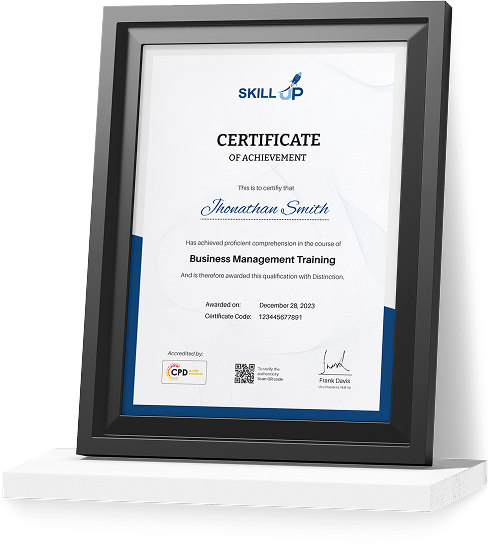
Show Your Certified Identity with a CPD-QS Certificate
Perfect for employers, clients, or academic verification.
Who Is This Course For?
- Electrical technicians
- Power system analysts
- Substation supervisors
- Energy sector engineers
- Automation coordinators
Career Path
- Electrical Engineer: Designs and evaluates power systems for industrial networks Average salary range: £45,000 – £65,000 per year
- Substation Engineer: Oversees high-voltage installations and grid safety Average salary range: £48,000 – £70,000 per year
- Power Systems Analyst: Assesses load flow, faults, and system efficiency Average salary range: £50,000 – £75,000 per year
- Protection and Control Engineer: Develops safeguarding strategies for HV circuits Average salary range: £52,000 – £80,000 per year
- Automation Systems Engineer: Integrates control platforms within electrical networks Average salary range: £46,000 – £68,000 per year
Frequently Asked Questions
Yes, it aligns with power generation, transmission, and substation operations.
Â
Yes, HV circuits, protection, and control frameworks are covered.
Â
Yes, simulation supports control system analysis.
Â
Yes, content reflects utility and infrastructure requirements.
Â
Yes, substation engineering remains central throughout the curriculum.
Diploma In Electrical Engineering for Electrical Substations Training Reviews
Excellent
98%
Would Recommend1
Certified Learners100%
Authentic Reviews
A well-organised and highly valuable course with clear, easy-to-understand guidance throughout. I’ve gained knowledge that’s directly relevant to my day-to-day responsibilities. It’s given me greater confidence in applying these skills professionally.
Engaging content delivered in a straightforward and structured format. The examples were realistic and helped reinforce key concepts effectively. I would certainly recommend it to colleagues looking to upskill
Comprehensive, insightful and professionally presented from start to finish. The course materials were clear and well supported. A worthwhile investment for anyone serious about career development
Curriculum
Offer Ends in
14-Day Money-Back Guarantee
-
Duration:Self-paced Learning
-
Access:1 Year

8 Reviews