Overview: Energy Engineer Course
Energy systems are central to modern infrastructure, influencing industries, economies, and environmental sustainability. The Energy Engineer course is designed to introduce structured knowledge of energy sources, consumption patterns, and the transition towards sustainable energy solutions. As global demand for energy continues to rise, organisations require individuals who can support efficient energy use and environmentally responsible practices.
This training explains how energy has evolved over time, how different energy sources are utilised, and how renewable technologies are shaping the future. Learners explore both traditional and sustainable energy systems, focusing on efficiency, environmental impact, and long-term energy strategies.
• Learn the history and patterns of energy consumption
• Understand non-renewable and renewable energy sources
• Explore solar, wind, ocean, and geothermal energy systems
• Identify applications of sustainable energy in modern industries
• Understand environmentally responsible energy practices
This diploma provides structured knowledge for individuals aiming to support energy efficiency, sustainability initiatives, and modern engineering practices.
What Is Energy Engineer Course?
The Energy Engineer course focuses on how energy is produced, managed, and applied across different sectors. Energy engineering involves analysing energy systems, improving efficiency, and supporting the transition from non-renewable to renewable energy sources.
This course explains how traditional energy sources such as fossil fuels compare with renewable alternatives like solar and wind energy. Learners explore how energy technologies operate and how they contribute to industrial and environmental goals.
The training also highlights sustainable energy principles and the importance of reducing environmental impact. Learners examine how energy solutions are applied in real-world scenarios to support efficiency and sustainability.
By the end of the course, learners will be able to identify energy sources, evaluate their applications, and support energy-related decisions in professional environments.
Description: Comprehensive Energy Engineer Training
he Energy Engineer course begins with the history of energy consumption, where learners explore how energy use has evolved from early industrial development to modern global demand. This module explains consumption trends and highlights the growing need for efficient and sustainable energy systems.
The curriculum then examines non-renewable energy sources, including fossil fuels and their role in current energy production. Learners analyse the benefits and limitations of these sources, providing context for the transition to alternative energy solutions.
The course introduces the basics of sustainable energy, establishing key concepts related to renewable resources and environmental responsibility. Learners explore how sustainable practices influence energy production and long-term planning.
Advanced modules focus on specific renewable technologies, including fuel cells, solar energy, wind energy, ocean energy, and geothermal energy. Each module explains how these systems operate, their advantages, and their applications in different sectors. This structured approach justifies the depth of the course by covering multiple energy technologies in detail.
The curriculum also explores the application of renewable energy, where learners examine how these technologies are implemented in real-world environments. This includes energy integration, efficiency strategies, and industry use cases.
The course concludes with environmentally friendly practices, highlighting how individuals and organisations can support sustainability. This comprehensive structure prepares learners to engage with modern energy challenges and contribute to efficient and responsible energy systems.
Learning Outcomes – Energy Engineer Course
- Understand the evolution of energy consumption
- Identify different non-renewable and renewable energy sources
- Understand the principles of sustainable energy
- Recognise how fuel cells and renewable systems operate
- Identify applications of solar, wind, ocean, and geothermal energy
- Understand energy efficiency and environmental impact
- Apply knowledge of renewable energy in real-world contexts
Who Is This Course For?
- Individuals interested in energy and sustainability
- Students exploring engineering or environmental studies
- Professionals working in energy, construction, or infrastructure
- Employees involved in environmental management
- Anyone aiming to build knowledge in renewable energy systems
Why Enrol in This Energy Engineer Course?
Energy demand continues to grow, making efficient and sustainable energy management a global priority. Organisations require structured approaches to reduce environmental impact and improve energy efficiency. This training provides a clear framework for understanding energy systems and modern solutions.
The course explains how energy sources are used, how renewable technologies operate, and how sustainability can be applied in different sectors. Learners are introduced to key concepts that support energy planning and environmental responsibility.
Individuals with energy knowledge contribute to sustainable development by supporting efficient resource use and reducing environmental impact. Their role is important in industries transitioning towards renewable energy solutions.
Whether working in engineering, construction, or environmental management, this course strengthens your ability to support energy-related initiatives.
Energy Engineer Career Path
Energy knowledge supports a range of roles within engineering, sustainability, and infrastructure. Typical career pathways include:
Energy Engineer — £30,000–£55,000
Works on energy systems and efficiency improvements
Renewable Energy Specialist — £35,000–£60,000
Focuses on solar, wind, and sustainable energy solutions
Sustainability Officer — £28,000–£50,000
Supports environmental and energy efficiency initiatives
Environmental Consultant — £30,000–£55,000
Advises organisations on sustainable practices
Energy Analyst — £32,000–£52,000
Evaluates energy data and efficiency strategies
Project Engineer — £35,000–£65,000
Manages engineering projects related to energy systems
This diploma supports progression into renewable energy, sustainability, and engineering roles.
Enrol Today – Support Sustainable Energy Solutions
By enrolling in this Energy Engineer course, you begin developing knowledge that supports efficient energy use and sustainable development.
Energy systems play a vital role in modern society, and individuals with energy awareness contribute to reducing environmental impact and improving resource management. Their role supports responsible and efficient energy practices across industries.
Start building the knowledge that supports energy efficiency, sustainability, and professional development.
Certificate of Achievement
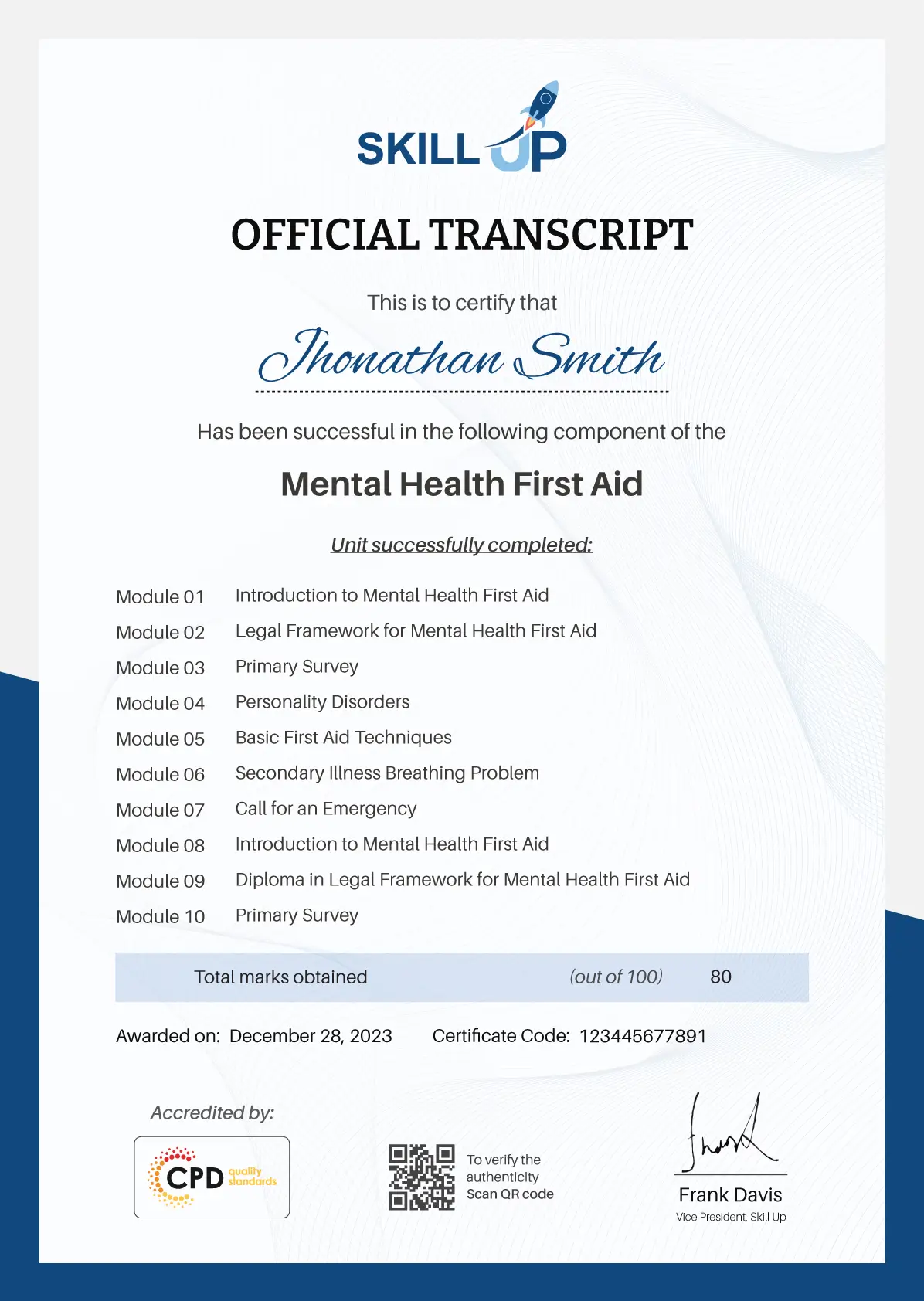
Upon successfully completing this Energy Engineer course, learners will receive an Accredited Certificate confirming their knowledge of energy systems, renewable technologies, and sustainability principles.
We provide two recognised certificate options:
CPD-QS Certificate
Learners can obtain a certificate accredited by CPD Quality Standards (CPD-QS), supporting professional development in energy and sustainability fields.
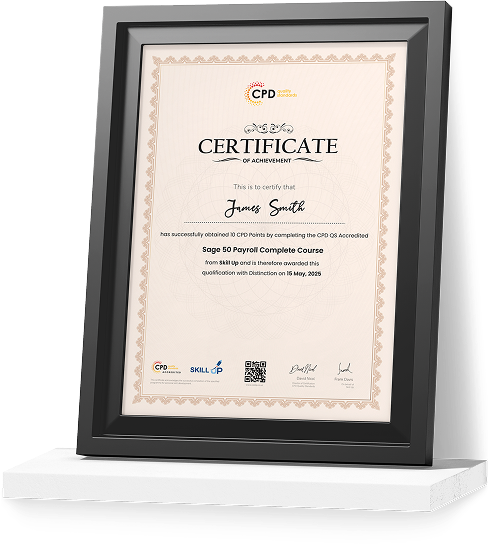
SKILL UP Brand Recognised Certificate
Learners will also receive a SKILL UP Certificate of Completion, verifying successful completion of the training and achievement of the course learning outcomes.
Both certificates demonstrate your ability to support energy efficiency and sustainability initiatives.
Earn Your Accredited Certificate with Transcript
Save 20% with the coupon code SKILL20
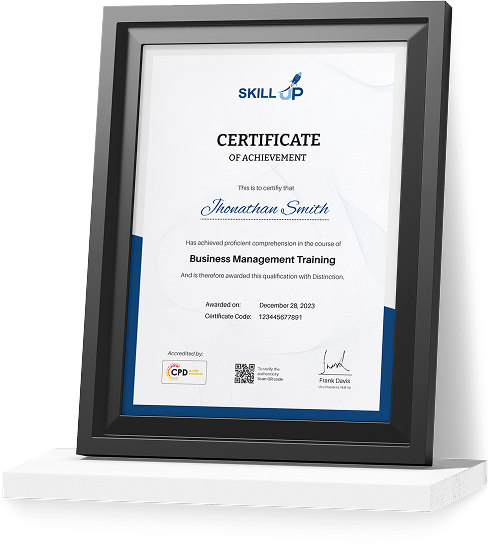
Show Your Certified Identity with a CPD-QS Certificate
Perfect for employers, clients, or academic verification.
Frequently Asked Questions
You will learn energy systems, renewable technologies, sustainability principles, and energy applications.
Yes, the course is suitable for beginners and individuals interested in energy and sustainability.
The course is self-paced and can typically be completed within a few weeks.
Yes, it supports roles in energy, sustainability, and engineering fields.
 Yes, learners receive a recognised certificate confirming course completion.
Yes, it includes solar, wind, ocean, geothermal energy, and their applications.
Energy Engineer Course Reviews
Excellent
98%
Would Recommend25
Certified Learners100%
Authentic Reviews
A well-organised and highly valuable course with clear, easy-to-understand guidance throughout. I’ve gained knowledge that’s directly relevant to my day-to-day responsibilities. It’s given me greater confidence in applying these skills professionally.
Engaging content delivered in a straightforward and structured format. The examples were realistic and helped reinforce key concepts effectively. I would certainly recommend it to colleagues looking to upskill
Comprehensive, insightful and professionally presented from start to finish. The course materials were clear and well supported. A worthwhile investment for anyone serious about career development
Curriculum
-
History of Energy Consumption
00:36:00
-
Non-Renewable Energy
00:16:00
-
Basics of Sustainable Energy
00:36:00
-
Fuel Cell
00:58:00
-
Solar Energy
01:07:00
-
Wind Energy
01:14:00
-
Ocean Energy
00:33:00
-
Geothermal Energy
00:35:00
-
Application of Renewable Energy
01:15:00
-
Being Environment-Friendly
00:28:00
-
Recommended Reading : Energy Engineer Course
-
Order Your Certificate

Offer Ends in
-
Duration:7 hours, 38 minutes
-
Access:1 Year
-
Units:12

0 Reviews

TAKE ALL COURSES FOR £99