 GIFT
GIFT
Animal Care

.png) 3 Reviews
3 Reviews
 74 Students


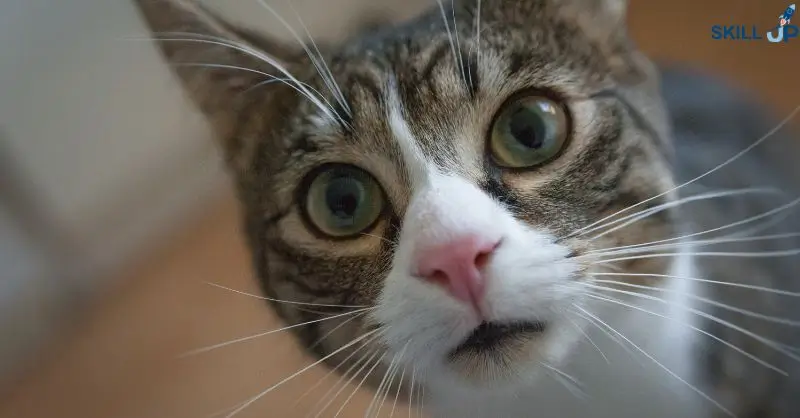
 Feline Behaviour & Psychology Training
GIFT
Feline Behaviour & Psychology Training
GIFT
 GIFT
Course Description Certificate of Achievement
GIFT
Course Description Certificate of Achievement

 Learning outcome Course media
 Why should I take this course? Endorsement Method of Assessment
 Career Path Frequently Asked Questions
A well-organised and highly valuable course with clear, easy-to-understand guidance throughout. I’ve gained knowledge that’s directly relevant to my day-to-day responsibilities. It’s given me greater confidence in applying these skills professionally.

Engaging content delivered in a straightforward and structured format. The examples were realistic and helped reinforce key concepts effectively. I would certainly recommend it to colleagues looking to upskill

Comprehensive, insightful and professionally presented from start to finish. The course materials were clear and well supported. A worthwhile investment for anyone serious about career development
 Domestication of Cats
 00:10:00
Communication & Stress According to Origin
00:08:00
Sleeping & Toileting According to Origin
00:07:00
Hunting & Drinking Water According to Origin
00:06:00
Reproduction & Disease According to Origin
00:06:00
Another Type of Cats – Feral Cats
00:09:00
Understanding Feline Body Language
00:17:00
Understanding Common Behaviour
00:20:00
Understanding Cat Communication
00:20:00
Types of Feline Need
00:10:00
Do Cats Feel Love and Other Human Emotions
00:13:00
How Smart Are Cats
00:09:00
Why Do Cats Hiss
00:03:00
Why Do Cats Purr
00:07:00
Why Do Cats Rub Against Things
00:07:00
Why Do Cats Scratch Things?
00:06:00
Why Do Cats Play with Their Prey
00:05:00
Why Do Some Cats Become Anxious or Phobic
00:10:00
Why Do Cats Roll on Their Backs to Greet People
00:03:00
Why Do Cats “Sulk”
00:04:00
Why Do Cats Knead or Paddle with Their Paws
00:03:00
Why Does a Male Cat Bite a Female’s Neck While Mating
00:03:00
Why Do Mother Cats Move Kittens
00:06:00
Why Do Some Cats Howl, Especially at Night
00:10:00
Cats and the Law
00:08:00
Bringing Your New Cat Home
00:19:00
Feeding and Controlling Obesity
00:27:00
Managing Your Cat’s Behaviour
00:40:00
Keeping Your Cat Safe
00:33:00
Neutering – Family Planning for Felines
00:15:00
Pregnant Cats, Birth and Care of Young Kittens
00:35:00
Cats Living Together
00:17:00
How to Prevent Cat Conflicts in Multi-cat Households
00:10:00
When to Let Go
00:11:00
Claim Your Certificate
00:10:00
Communication & Stress According to Origin
00:08:00
Sleeping & Toileting According to Origin
00:07:00
Hunting & Drinking Water According to Origin
00:06:00
Reproduction & Disease According to Origin
00:06:00
Another Type of Cats – Feral Cats
00:09:00
Understanding Feline Body Language
00:17:00
Understanding Common Behaviour
00:20:00
Understanding Cat Communication
00:20:00
Types of Feline Need
00:10:00
Do Cats Feel Love and Other Human Emotions
00:13:00
How Smart Are Cats
00:09:00
Why Do Cats Hiss
00:03:00
Why Do Cats Purr
00:07:00
Why Do Cats Rub Against Things
00:07:00
Why Do Cats Scratch Things?
00:06:00
Why Do Cats Play with Their Prey
00:05:00
Why Do Some Cats Become Anxious or Phobic
00:10:00
Why Do Cats Roll on Their Backs to Greet People
00:03:00
Why Do Cats “Sulk”
00:04:00
Why Do Cats Knead or Paddle with Their Paws
00:03:00
Why Does a Male Cat Bite a Female’s Neck While Mating
00:03:00
Why Do Mother Cats Move Kittens
00:06:00
Why Do Some Cats Howl, Especially at Night
00:10:00
Cats and the Law
00:08:00
Bringing Your New Cat Home
00:19:00
Feeding and Controlling Obesity
00:27:00
Managing Your Cat’s Behaviour
00:40:00
Keeping Your Cat Safe
00:33:00
Neutering – Family Planning for Felines
00:15:00
Pregnant Cats, Birth and Care of Young Kittens
00:35:00
Cats Living Together
00:17:00
How to Prevent Cat Conflicts in Multi-cat Households
00:10:00
When to Let Go
00:11:00
Claim Your Certificate

Offer Ends in