Food Hygiene and Safety
Food businesses across the UK must follow strict hygiene and safety regulations to protect customers, maintain compliance, and prevent contamination risks. As a result, employers in restaurants, cafés, catering companies, takeaways, hospitality venues, food delivery services, and commercial kitchens increasingly prioritise candidates with recognised Food Hygiene and Safety training.
Whether you are preparing for catering jobs, improving workplace compliance, or strengthening operational safety within a food business, this Food Hygiene and Safety Certificate Level 1, 2 & 3 with HACCP & Food Allergen Awareness develops the in-depth knowledge required in modern food handling and catering environments.
- ✔ Food Hygiene and Safety practices for safe food handling, storage, cleaning, and contamination prevention.
- ✔ HACCP principles, food safety management systems, and hazard control procedures.
- ✔ Food poisoning prevention, allergen awareness, temperature control, and hygiene compliance.
- ✔ Food safety supervision, legislation, staff training, and operational risk management.
Food Hygiene and Safety Training teaches safe food handling, contamination prevention, HACCP procedures, allergen awareness, personal hygiene, and food law compliance required in catering, hospitality, restaurants, and food businesses across the UK.
From safe food handling practices to contamination prevention, this Food Safety Course UK introduces the procedures used to maintain hygiene standards across food preparation, storage, cooking, and service. In addition, the programme explores food safety regulations UK businesses must follow, helping learners understand legal responsibilities linked to hygiene compliance, allergen control procedures, and food safety management systems.
Moreover, this Catering Hygiene Course explains HACCP food safety principles in a structured format, allowing learners to understand hazard monitoring, cross-contamination prevention, temperature control in food safety, and operational risk reduction. Alongside HACCP Certification training, the course also develops strong Food Allergen Awareness Training, helping learners recognise allergen hazards, improve communication with customers, and reduce risks linked to food allergy incidents.
Whether working in hospitality, commercial kitchens, restaurants, cafés, schools, food delivery services, or food manufacturing, this Online Food Hygiene Certificate UK supports safer food handling, stronger compliance, and improved employability within the food industry.
Why Food Hygiene and Safety Training Matters
Food businesses across the UK are under increasing pressure to maintain high hygiene standards, reduce contamination risks, and comply with strict food safety regulations. As customer expectations continue to rise, trained staff with Food Hygiene and Safety Training become essential for maintaining operational credibility and public trust.
This Food Handling Certificate helps strengthen awareness of:
- Food Contamination Prevention
- Kitchen hygiene training
- Food poisoning prevention
- Allergen legislation training
- Catering compliance training
- Food, sanitation and hygiene
- Food Safety Supervisor Responsibilities
Consequently, learners develop industry-relevant knowledge that supports both daily operations and long-term compliance across catering and hospitality settings.
Key Benefits of This Food Hygiene and Safety Course
- Comprehensive Food Hygiene and Safety Training from Level 1 to Level 3
- Structured HACCP Certification Course for catering environments
- Assure Food Allergen Awareness Training
- Strong understanding of safe food handling practices
- Clear guidance on food safety regulations UK businesses follow
- Improved awareness of contamination prevention and hygiene control
- Better preparation for hospitality, catering, and food service roles
- CPD-accredited online learning with flexible access
Course curriculum
➽ Course 1: Level 1 Food Hygiene and Safety
➽ Course 2: Level 2 Food Hygiene and Safety for Catering
➽ Course 3: Food Safety & Hygiene Management
➽ Course 4: HACCP Level 2 Training
➽ Course 5: Food Allergy and Intolerance
Course Description
This 5-course Food Hygiene and Safety bundle provides structured training across essential food safety, catering hygiene, HACCP, food safety management, and allergen awareness. It begins with Level 1 Food Hygiene and Safety, covering food hygiene legislation, food-borne illness, safety hazards, refrigeration, personal hygiene, cleaning, and disinfection.
The bundle then progresses to Level 2 Food Hygiene and Safety for Catering, focusing on food safety law, bacteria, microbiological, physical, chemical, and allergenic hazards, food poisoning control, food spoilage, food storage, HACCP, food premises, and cleaning procedures.
The Food Safety & Hygiene Management course expands into supervisory responsibilities, food safety policies, food safety management systems, HACCP implementation, contamination prevention, hazard control, temperature monitoring, food toxins, waste disposal, pest management, premises design, and staff supervision.
In addition, the HACCP Level 2 Training course introduces the principles of HACCP, relevant legislation, contamination hazards, allergen risks, chemical and physical hazards, HACCP preparation, preliminary studies, and the seven principles of HACCP.
Finally, the Food Allergy and Intolerance course covers the basics of food allergens, allergen guidance for food businesses and consumers, allergic reactions, and treatment awareness. Together, these courses provide a complete learning pathway for food handlers, catering staff, supervisors, managers, and individuals involved in food preparation, storage, service, and safety control.
Learning Outcome
- Identify key food hygiene legislation, food-borne illnesses, and food safety responsibilities.
- Recognise microbiological, physical, chemical, allergenic, and contamination hazards in food environments.
- Apply personal hygiene, cleaning, disinfection, refrigeration, and food storage procedures.
- Explain food poisoning causes, control measures, spoilage prevention, and safe handling practices.
- Understand HACCP principles, preliminary steps, hazard analysis, and critical control procedures.
- Describe food safety management systems and tools used for implementation and monitoring.
- Monitor temperature control, recording procedures, waste disposal, premises hygiene, and pest management.
- Recognise food allergen risks, intolerance issues, allergic reactions, and guidance for food businesses.
- Understand supervisory duties, staff training responsibilities, policies, and food safety compliance practices.
Certificate of Achievement
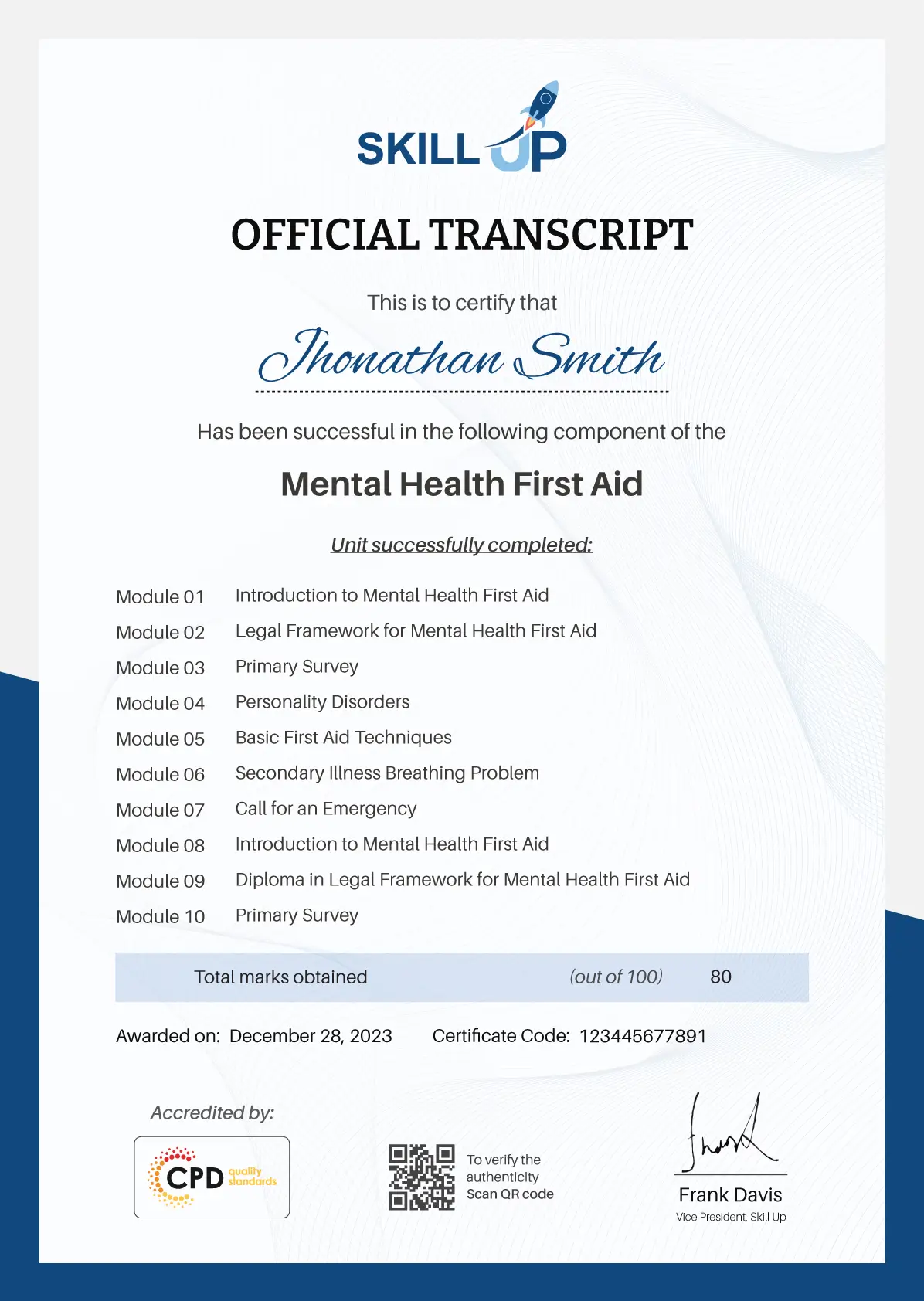
Earn Your Accredited Certificate with Transcript
Save 20% with the coupon code SKILL20
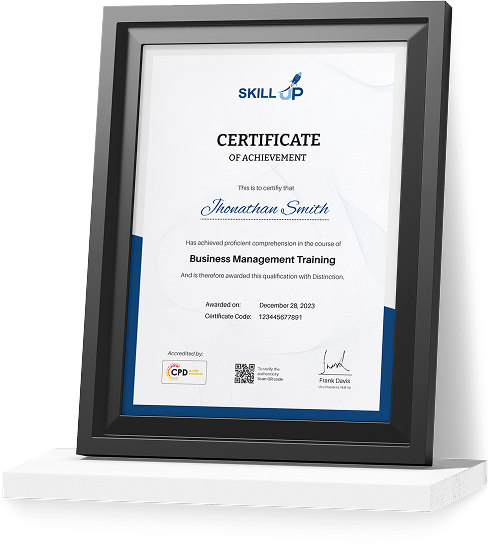
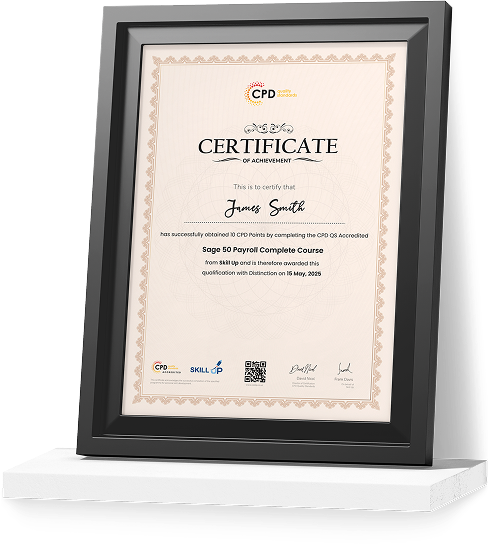
Show Your Certified Identity with a CPD-QS Certificate
Perfect for employers, clients, or academic verification.
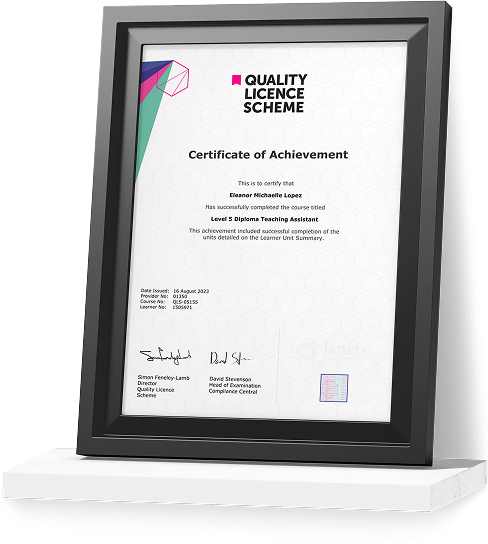
Get a QLS Certificate to Showcase Your Skills
Detailed record of your completed modules and qualifications.
Who Is This Course For?
- Catering staff seeking structured safety knowledge
- Restaurant supervisors responsible for hygiene control
- Food handlers working in commercial kitchens
- Individuals entering hospitality roles
- Business owners managing food operations
Career Path
Food Safety Manager — £45,000 to £70,000
Food Safety Managers oversee hygiene systems, food safety management procedures, staff compliance, and operational risk control within restaurants, catering companies, hospitality groups, and food production facilities. Strong Food Hygiene and Safety knowledge, combined with HACCP systems, makes this role highly valuable across the UK food industry.
HACCP Coordinator — £42,000 to £65,000
HACCP Coordinators manage hazard analysis procedures, monitor critical control points, and maintain food safety documentation to support legal compliance. Businesses increasingly prioritise trained professionals who understand HACCP food safety principles and contamination prevention strategies.
Catering Operations Manager — £48,000 to £75,000
Catering Operations Managers supervise kitchen hygiene standards, food handling procedures, staffing operations, and service quality within hospitality and catering environments. Food Hygiene and Safety Training supports stronger operational leadership and compliance management.
Environmental Health Officer — £40,000 to £60,000
Environmental Health Officers inspect food businesses, evaluate hygiene compliance, and assess food safety practices against UK regulations. Knowledge of food hygiene, allergen control procedures, and HACCP frameworks supports progression into inspection and compliance-focused roles.
Quality Assurance Manager — £50,000 to £80,000
Quality Assurance Managers maintain food production standards, monitor contamination risks, and oversee compliance systems within food manufacturing and supply chain operations. Expertise in food safety management systems and hygiene procedures remains highly valued across the sector.
Build Industry-Recognised Food Safety Knowledge Today
Food businesses increasingly prioritise trained professionals who understand Food Hygiene and Safety, HACCP systems, and Food Allergen responsibilities. This course provides structured training designed to support safer food handling, stronger compliance, and improved career opportunities across the catering and hospitality sectors.
✅ HACCP & Food Allergen Included
✅ Flexible Online Learning
✅ CPD Accredited Training
✅ Instant Digital Certificate
✅ Career-Focused Food Safety Training
Start building recognised Food Hygiene and Safety expertise today and strengthen your opportunities within the growing food and catering industry.
Frequently Asked Questions
The 5 basic food safety rules are widely used across the UK food industry to reduce contamination risks and maintain safe food handling standards.
Keep Clean: Maintain personal hygiene, wash hands regularly, sanitise surfaces, and clean equipment to prevent contamination.
Separate Raw and Cooked Foods: Avoid cross-contamination by storing and preparing raw meat, seafood, and ready-to-eat foods separately.
Cook Food Thoroughly: Ensure foods are cooked to safe internal temperatures to destroy harmful bacteria and foodborne pathogens.
Store Food at Safe Temperatures: Use correct refrigeration, freezing, and hot holding procedures to prevent bacterial growth.
Use Safe Ingredients and Water: Use fresh ingredients from approved suppliers and maintain safe food storage conditions.
In the UK, these practices support compliance with the Food Safety Act 1990 and Food Hygiene Regulations.
- Wash hands regularly before handling food
- Keep work surfaces and utensils clean
- Separate raw and cooked foods
- Store food at safe temperatures
- Cook food thoroughly
- Wear clean protective clothing
- Avoid working while ill
- Label and date stored food properly
- Dispose of waste safely and regularly
- Control pests and maintain kitchen hygiene standards
- Perform hazard analysis
- Determine critical control points (CCPs)
- Establish critical limits
- Set up monitoring procedures
- Define corrective actions
- Verify system performance
- Keep accurate documentation and records
These kitchen hygiene rules are commonly applied in restaurants, catering businesses, cafés, hotels, food trucks, and commercial kitchens across both the UK and US food industry.
Yes. HACCP-based food safety procedures are a legal requirement for most food businesses in the UK under:
- Food Safety Act 1990
- Regulation (EC) No 852/2004 on the hygiene of foodstuffs
- Food Hygiene (England) Regulations
Food businesses must implement food safety management procedures based on HACCP principles to identify and control food safety risks.
The course covers: Food hygiene legislation, contamination prevention, HACCP principles, Food poisoning prevention, allergen awareness, temperature control, food storage, cleaning and disinfection, Food Safety Management Systems, staff supervision and hygiene compliance
Yes. This is an online Food Hygiene and Safety course that allows flexible learning access, enabling learners to study from any location at their own pace.
Yes. Food Hygiene and Safety knowledge is widely required across restaurants, cafés, catering businesses, hotels, food delivery services, commercial kitchens, and food production environments. The course supports workplace readiness and compliance awareness.
A strong interview answer could be:
“HACCP stands for Hazard Analysis and Critical Control Points. It is a food safety management system used to identify potential biological, chemical, physical, and allergen hazards in food processes. HACCP focuses on preventing food safety risks by monitoring critical control points such as cooking temperatures, storage conditions, cleaning procedures, and contamination controls. It is widely used in catering, hospitality, food production, and food service environments to maintain food safety compliance and reduce health risks.”
For UK interviews, mentioning Food Standards Agency guidance and hygiene compliance can strengthen the answer.
Food Hygiene and Safety Certificate Level 1, 2 & 3 for Catering with HACCP & Food Allergen Reviews
Excellent
98%
Would Recommend107
Certified Learners100%
Authentic ReviewsCurriculum
Offer Ends in
-
Duration:EXPIRED
-
Access:1 Year
-
Units:0

7 Reviews

TAKE ALL COURSES FOR £99