Overview
Foster Care refers to temporary family-based support offered to children who cannot remain at home. Within safeguarding frameworks, this provision ensures stability, safety, and emotional continuity. Moreover, structured preparation shapes carers to meet legal, social, and developmental needs. Therefore, this learning route aligns with welfare standards, while also highlighting ethical responsibility, family impact, and statutory duties across community-centred childcare systems in the United Kingdom.
Course Description
Every child deserves security; therefore, purposeful learning becomes the bridge between compassion and capability. This Foster Care Training Course introduces supportive frameworks, legal contexts, and family dynamics through carefully sequenced modules. Consequently, learners develop confidence to support vulnerable young people while maintaining household balance and wellbeing.
Furthermore, the Foster Care Online Course presents realistic insights into fostering responsibilities, allowances, and regulatory expectations. Rather than theory alone, reflective exploration builds awareness of behavioural needs, placement types, and safeguarding priorities. Hence, participants recognise how fostering influences relationships, routines, and long-term family resilience.
Additionally, the Foster Care Certification Course focuses on eligibility routes, compliance, and carer roles across diverse scenarios. As a result, learners receive clarity on progression pathways, statutory guidance, and professional collaboration. Ultimately, this Foster Care Training Course prepares individuals to contribute positively within child protection systems, while the Foster Care Online Course ensures flexible access, and the Foster Care Certification Course strengthens credibility nationwide.
Learning Outcome
- Identify fostering models within UK care systems
- Recognise carer responsibilities and ethical boundaries
- Interpret legislation governing placements
- Evaluate household impact on fostering arrangements
- Outline application routes for approved carers
Who Is This Course For?
- Aspiring foster carers
- Parents considering care provision
- Social care volunteers
- Community childcare advocates
- Individuals exploring family-based support roles
Certificate of Achievement
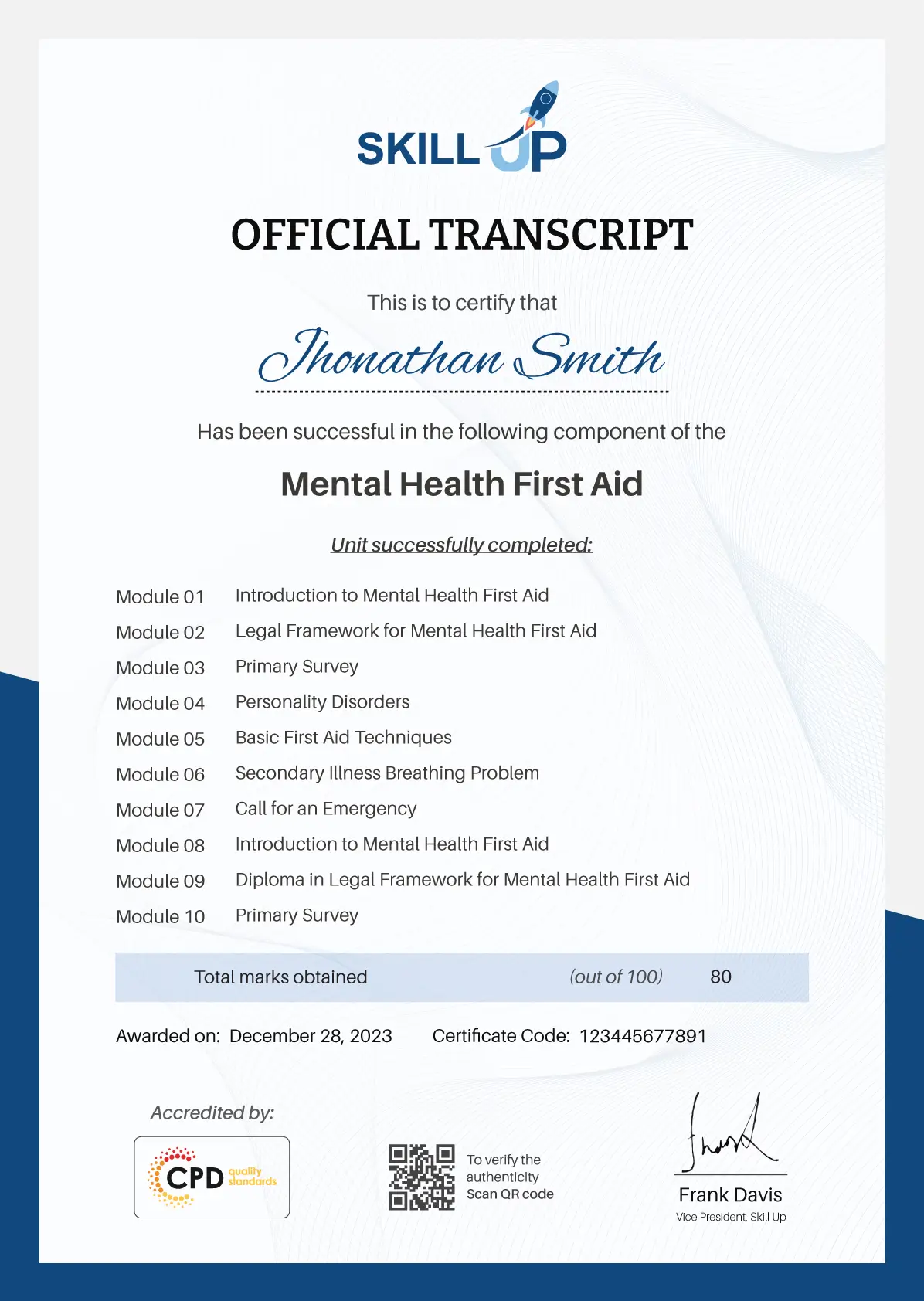
Earn Your Accredited Certificate with Transcript
Save 20% with the coupon code SKILL20
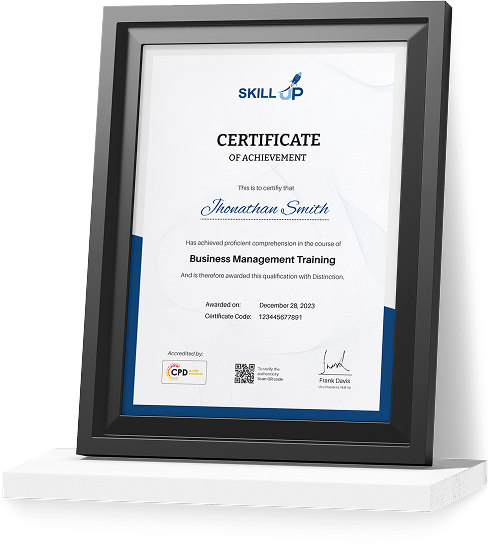
Show Your Certified Identity with a CPD-QS Certificate
Perfect for employers, clients, or academic verification.

Career Path
- Foster Carer (£28,000–£45,000): Additional placements increase annual allowances
- Supervising Social Worker (£34,000–£50,000): Senior oversight raises earning capacity
- Childcare Support Officer (£26,000–£38,000): Policy exposure supports pay progression
- Family Support Practitioner (£30,000–£44,000): Advanced responsibility improves remuneration
- Care Services Manager (£40,000–£60,000): Leadership scope significantly boosts income
Frequently Asked Questions
Foster care is when a child or young person lives with an approved carer because they cannot live with their birth family. Placements can be short-term (a few days/weeks), long-term (months/years) or specialist (such as parent-and-baby fostering). Foster carers provide day-to-day care, support and a stable home while the local authority remains legally responsible for the child.
To become a foster carer in the UK you must:
– Have the right to live and work in the UK, and be generally fit and able to care for a child.
– Be at least 18 years old (though most agencies prefer applicants to be 21+).
You do not need childcare qualifications, own your home, or have children of your own to foster. Agencies assess suitability case-by-case.
Foster carers receive a weekly allowance meant to cover the cost of caring for a child (food, clothes, travel and activities). The minimum allowance in the UK usually ranges between about £170–£299+ per week, depending on the child’s age, needs and where you live. Additional payments may be available for children with complex needs or other skills-based bonuses.
All foster carers receive ongoing support and training throughout their fostering journey. Before approval, you’ll attend a preparation course (e.g., “Skills to Foster”), and after approval there are free training opportunities to build confidence and practical skills in caring for children. Agencies also provide social workers and support networks to help with challenging situations.
The process typically takes around 4–6 months from initial enquiry to approval. This includes phone or home visits, background checks, assessments, preparation training, and final review by a fostering panel before being approved as a foster carer.
Foster Care Training Course Reviews
Excellent
98%
Would Recommend121
Certified Learners100%
Authentic Reviews
A well-organised and highly valuable course with clear, easy-to-understand guidance throughout. I’ve gained knowledge that’s directly relevant to my day-to-day responsibilities. It’s given me greater confidence in applying these skills professionally.
Engaging content delivered in a straightforward and structured format. The examples were realistic and helped reinforce key concepts effectively. I would certainly recommend it to colleagues looking to upskill
Comprehensive, insightful and professionally presented from start to finish. The course materials were clear and well supported. A worthwhile investment for anyone serious about career development
Curriculum
-
Introduction to Foster Care
00:10:00
-
Foster Care-Definition and Types
00:15:00
-
Role of Foster Careers
00:15:00
-
Fostering Skills and Requirements
00:10:00
-
Becoming a Foster Carer
00:45:00
-
Foster Care Allowances and Payments
00:10:00
-
Fostering Laws and Regulations
00:20:00
-
The Impact of Fostering on the Foster Family
00:15:00
-
Order Your Certificate

Offer Ends in
-
Duration:2 hours, 20 minutes
-
Access:1 Year
-
Units:9

8 Reviews

TAKE ALL COURSES FOR £99