
Overview
If a patient’s condition changes during a busy shift, would you know what to notice, record and report? This Clinical Observation Skills Course is designed for healthcare assistants, clinical carers, support workers and care staff who want stronger observation skills for safer patient-facing care, without feeling overwhelmed by clinical language.
✓ Clinical observation and the role of the clinical carer.
✓ Legal standards, ethics and professional conduct.
✓ Patient condition, clinical management and technical method observation.
✓ Medicine, dispensary, health, safety and hygiene awareness.
By focusing on observation skills in health and social care, the course helps learners build the confidence to spot concerns, follow professional standards and support clearer communication while preparing for real care settings. Therefore, it is a strong fit for anyone seeking patient observation training or care skills training in the UK.
Course Description
Observation Skills for Clinical Carer gives learners a clear route into clinical observation in everyday care settings. It begins with the role of the clinical carer and the purpose of observation, so learners can understand why small changes in a person’s condition may need prompt attention. Then, the course moves into legal standards, professional conduct and ethical care, helping learners link observation with duty, privacy, dignity and responsible communication.
The next part focuses on patient condition observation, clinical management observation and technical clinical method observation. These areas help learners recognise what may need attention during care routines, support tasks and clinical environments. In addition, the course explores medicine and dispensary observation, which is useful for learners who work near medication processes or support regulated healthcare teams.
Finally, learners study health, safety and hygiene before completing the assignment and certification stage. This learning flow makes the course useful for carers, healthcare assistants and support staff looking for basic clinical observation training, healthcare assistant observation training or a care observation training in the UK option. As a result, learners gain structured awareness that supports safer care, clearer reporting and stronger workplace confidence, while the focused curriculum keeps each topic tied to real care responsibilities.
Learning Outcome
By completing this course, learners will be able to:
- Understand the role of clinical observation in patient-facing care.
- Analyse legal, ethical and professional standards linked to observation.
- Develop a stronger awareness of patient condition observation and reporting.
- Apply observation principles to clinical management and technical care tasks.
- Evaluate medicine, dispensary, hygiene and safety-related observation concerns.
- Demonstrate clearer judgment when noticing changes in care environments.
- Implement safer observation habits that support health and social care practice.
Who Is This Course For?
- Healthcare assistants who want stronger patient observation training for care duties.
- Clinical carers aiming to improve observation skills for carers in daily support work.
- Care workers who need clearer health and social care observation skills.
- Support staff seeking basic clinical observation training before wider responsibilities.
- Beginners preparing for patient-facing care roles with more confidence.
- Care home or home care staff who want better patient condition observation awareness.
- Learners seeking an observation skills course online with a care safety focus.
Certificate of Achievement
Earn Your Accredited Certificate with Transcript
Save 20% with the coupon code SKILL20
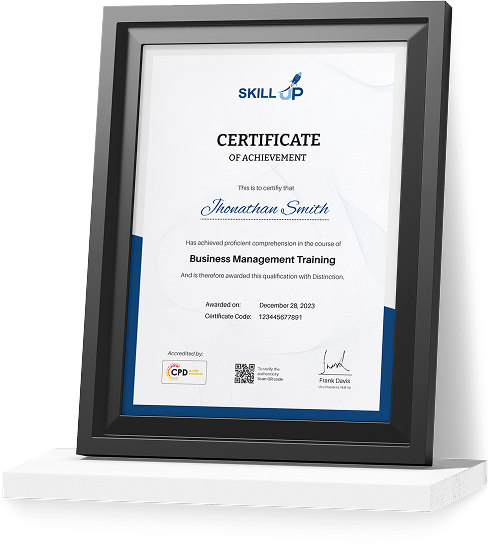
Show Your Certified Identity with a CPD-QS Certificate
Perfect for employers, clients, or academic verification.

Career Path
Salary ranges vary by employer, location, setting and experience.
- Healthcare Assistant: Healthcare assistants support patients in hospitals and sometimes at home. This course can strengthen observation awareness for patient-facing support.|Typical UK salary range: £25,000–£27,000.
- Care Worker: Care workers support people with daily activities and independence. Better observation can help carers notice and report concerns sooner.|Typical UK salary range: £20,000–£25,000.
- Senior Care Worker: Senior care workers support individuals and may supervise care assistants. Strong observation habits can support safer team practice.|Typical UK salary range: £24,000–£29,000.
- Pharmacy Assistant: Pharmacy assistants serve customers and patients in chemists and hospital dispensaries. Medicine and dispensary observation awareness can support a safer workplace understanding.|Typical UK salary range: £24,000–£31,000.
- Healthcare Science Assistant: Healthcare science assistants support medical staff with tasks such as testing, monitoring and routine healthcare support.|Typical UK salary range: £25,000–£31,000.
- Maternity Support Worker: Maternity support workers help midwives care for women and babies before, during and after birth. Observation awareness can support safer care communication.|Typical UK salary range: £25,000–£31,000.
Frequestly Asked Questions
Observation skills in health and social care help carers notice, record, and report changes in a person’s condition, behaviour, comfort, hygiene, safety, and care needs. This Clinical Observation Skills Course supports safer awareness for carers, healthcare assistants, and support staff.
Examples of clinical observations include changes in breathing, skin colour, pain, mobility, appetite, mood, hygiene, temperature, pulse, or general comfort. This patient observation training helps learners understand why small changes should be noticed and reported clearly.
You will study clinical observation basics, legal and ethical practice, clinical management observation, technical method observation, medicine and dispensary awareness, hygiene, health, and safety. The course builds clear observation skills for carers.
Carers can develop good observation skills by staying alert, listening carefully, knowing what to look for, recording concerns accurately, and reporting changes promptly. This care observation training UK course gives learners a structured way to build those habits.
Patient condition observation is important because early changes in comfort, symptoms, mobility, behaviour, or care needs may signal a concern. Strong clinical observation skills help carers support safer decisions and clearer communication.
This course is suitable for clinical carers, healthcare assistants, care workers, support staff, home care teams, and beginners who want basic clinical observation training for safer patient-facing care.
Observation Skills For Clinical Carer Reviews
Excellent
98%
Would Recommend15
Certified Learners100%
Authentic Reviews
A well-organised and highly valuable course with clear, easy-to-understand guidance throughout. I’ve gained knowledge that’s directly relevant to my day-to-day responsibilities. It’s given me greater confidence in applying these skills professionally.
Engaging content delivered in a straightforward and structured format. The examples were realistic and helped reinforce key concepts effectively. I would certainly recommend it to colleagues looking to upskill
Comprehensive, insightful and professionally presented from start to finish. The course materials were clear and well supported. A worthwhile investment for anyone serious about career development
Curriculum
-
Introduction to Clinical Observation and Clinical Carer
00:16:00
-
Legal Standards and Professional Aspects of Ethical Practice
00:22:00
-
Patient’s Condition Observation
00:29:00
-
Clinical Management Observation
00:22:00
-
Technical Clinical Method Observation
00:33:00
-
Medicine and Dispensaries Observation
00:19:00
-
Health Safety and Hygiene
00:29:00
-
Assignment – Health & Care: Clinical Observation Skills
-
Order Your Certificate

Offer Ends in
-
Duration:2 hours, 50 minutes
-
Access:1 Year
-
Units:9

Reviews

TAKE ALL COURSES FOR £99