
Overview
Why do some websites feel simple, while others make users leave before they find what they need? This Information Architecture Course Online UK is designed for UX learners, content professionals, website managers, digital marketers, and product teams who want to organise digital information with purpose.
This course focuses on the structure behind smoother digital experiences:
✓ IA principles, user-centred research, and design thinking
✓ Organisational strategy, navigation, and search systems
✓ Content organisation, information design, and cross-platform journeys
✓ IA evaluation, optimisation, and specialist digital topics
Through flexible online study, this information architecture fundamentals course helps learners plan clearer websites, apps, intranets, and digital services. It suits anyone comparing information architecture courses online, an information architecture UX course, or a UX fundamentals course for career-focused digital growth.
Course Description
This information architecture training course begins with the foundations of Information Architecture and why it sits at the heart of strong digital experiences. Learners explore how content structure, labels, menus, search paths, and user research shape the way people find, understand, and use information online. The course then introduces user-centred design and research, helping learners connect user needs with clear digital decisions.
The learning then moves into organisational strategy, navigation design, search systems, content organisation, and information design. These areas are valuable for learners comparing a navigation design course, content organisation course, or website strategy course, because they show how IA supports both business goals and user journeys. Instead of treating content as separate pages, the course shows how information works as a connected system.
Later sections explore cross-platform and multi-channel experiences, IA evaluation, optimisation, and specialist topics. As a result, learners gain a rounded view of how Information Architecture supports websites, apps, intranets, content platforms, and digital services. This user experience design fundamentals pathway is especially useful for those who want to improve usability, reduce confusion, support better content decisions, and build stronger confidence before certification.
Learning Outcome
By completing this course, learners will be able to:
- Understand core Information Architecture principles and their role in UX.
- Analyse user research, content needs, and digital journey requirements.
- Develop clearer navigation, search, and content organisation approaches.
- Apply IA thinking to websites, apps, intranets, and multi-channel journeys.
- Evaluate information structures using review and optimisation methods.
- Demonstrate awareness of user-centred design and website strategy.
- Implement stronger IA decisions in UX, content, and digital projects.
Who Is This Course For?
This course is suitable for:
- UX beginners seeking a clear foundation in Information Architecture.
- Website managers aiming to improve menus, search, and content flow.
- Content professionals wanting stronger labelling and organisation skills.
- Digital marketers improving website journeys and conversion paths.
- Career changers exploring UX design fundamentals course options.
- Product teams planning clearer cross-platform digital experiences.
- Learners seeking information architecture courses online with certification.
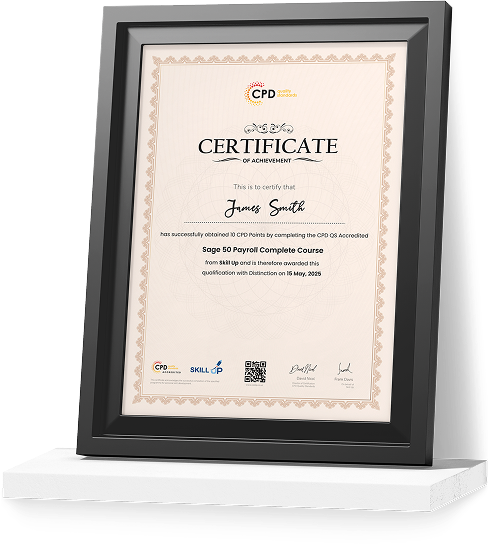
Certificate of Achievement
Earn Your Accredited Certificate with Transcript
Save 20% with the coupon code SKILL20

Show Your Certified Identity with a CPD-QS Certificate
Perfect for employers, clients, or academic verification.
Career Path
This course supports career development across UX, content, digital product, and website planning. Salaries vary by employer, location, portfolio, and experience.
- UX Designer: UX designers use research to create websites, apps, and software around user needs. IA knowledge supports clearer menus, journeys, and content structures.|Salary range: £32,000–£65,000.
- User Researcher: User researchers collect, analyse, and test data to improve websites, software, and applications. This course supports stronger awareness of user behaviour and information pathways.|Salary range: £34,000–£68,000.
- UX Researcher: UX researchers turn user insight into product and service decisions. IA knowledge helps connect research findings with clearer navigation and content choices.|Senior roles often reach £50,000–£70,000+.
- Web Content Editor: Web content editors research, write, and manage online content. Information Architecture skills support better labelling, structure, and content flow.|Salary range: £25,000–£40,000.
- Web Designer: Web designers create and improve websites using creative and technical skills. IA awareness can help them design pages that are easier to navigate.|Salary range: £28,000–£50,000.
- Web Developer: Web developers create and maintain websites and applications. IA knowledge can support clearer site logic and user-friendly structure.|Salary range: £27,000–£60,000.
Frequently Asked Questions
Information Architecture, or IA, is the way digital content is structured, labelled and organised so users can find information easily. This Information Architecture Course Online UK explains IA principles for websites, apps and digital services.
The fundamentals of Information Architecture include user research, content organisation, navigation design, search systems, labelling, structure, evaluation and optimisation. This information architecture fundamentals course introduces these areas in a clear, beginner-friendly way.
No. Information Architecture is part of UX design, but it focuses mainly on structure, navigation and content flow. UX design covers the wider user journey, including usability, interaction, visual experience and user satisfaction.
The four main IA components are organisation systems, labelling systems, navigation systems and search systems. This information architecture training course helps learners understand how these components improve digital usability.
Key IA skills include user-centred thinking, content analysis, navigation planning, research awareness, website strategy, testing and clear communication. These skills support UX, content, digital marketing and product roles.
Yes. This information architecture UX course can support learners interested in UX design, content design, website management and digital product work. It also includes certification to support CPD records and CV development.
Information Architecture (IA) Fundamentals Reviews

Excellent
98%
Would Recommend221
Certified Learners100%
Authentic ReviewsA brilliant introduction to Information Architecture with clear explanations and practical examples.
The course made UX and IA concepts much easier to understand than I expected.
Very informative and well presented. I now understand how better navigation improves user experience.
Curriculum
-
Module 1: Introduction to Information Architecture
00:23:00
-
Module 2:User-Centred Design and Research
00:28:00
-
Module 3: Organisational Strategy and Information Architecture
00:32:00
-
Module 4: Navigation Design and Search Systems
00:30:00
-
Module 5: Content Organisation and Information Design
00:22:00
-
Module 6: Cross-Platform and Multi-Channel Experiences
00:22:00
-
Module 7: Information Architecture Evaluation and Optimisation
00:25:00
-
Module 8: Special Topics in Information Architecture
00:27:00
-
Order Your Certificate

Offer Ends in
-
Duration:3 hours, 29 minutes
-
Access:1 Year
-
Units:9

9 Reviews

TAKE ALL COURSES FOR £99