Cart
No products in the basket.
Log In Sign Up

Login

Introduction to Photography

Get 92% Discount | CPD Accredited | Affordable Pricing | No Hidden Charges | 24/7 Tutor Support | Instant Access
4.6
7 Reviews

stds111 Students

Accreditation Icon
Accreditation Icon

Overview: Introduction to Photography Course

  • Build a strong foundation in photography through structured training covering camera functions, exposure settings, lighting techniques, and image composition.
  • Explore how shutter speed, aperture, ISO, and white balance work together to create well-balanced and visually appealing photographs.
  • Learn the essential camera controls used by photographers to manage light, focus, movement, and depth within different shooting environments.
  • Develop photography knowledge that supports hobby, creative, and professional photography goals while improving confidence behind the camera.

Photography is one of the most popular creative disciplines, combining technical knowledge with artistic expression. Whether capturing landscapes, portraits, events, or everyday moments, photographers rely on camera settings and lighting techniques to create compelling images.

This Introduction to Photography Course provides structured training designed to introduce learners to the core principles of photography. The course examines camera functions, exposure control, focusing systems, and image quality fundamentals that form the basis of successful photography.

Learners will explore how light interacts with camera settings and discover how adjustments to shutter speed, aperture, and ISO influence the final image. The course also introduces key concepts such as metering, white balance, dynamic range, and manual shooting modes.

Whether you are a beginner seeking photography knowledge or someone looking to improve camera confidence, this course provides valuable training that supports photographic development across a wide range of photography styles.

What Is Introduction to Photography Course?

The Introduction to Photography Course focuses on the essential principles and techniques used in modern photography. The course examines how cameras capture light and how photographers use camera settings to create different visual effects.

Throughout the training, learners explore fundamental photography concepts including lighting, exposure, autofocus systems, shutter speed, aperture, ISO settings, and image composition. The programme explains how these elements work together to influence image quality and creative outcomes.

The course also introduces advanced beginner topics such as RAW image formats, white balance adjustments, metering systems, exposure compensation, histograms, dynamic range, and flash photography.

By the end of the course, learners will possess detailed knowledge of camera operation, exposure management, and photography fundamentals that support effective image creation across various photographic situations.

Course Description

The Introduction to Photography Course begins with an overview of photography fundamentals, camera types, and the role of light in image creation. Learners explore how photography works and how different camera systems capture visual information.

The curriculum then focuses on exposure control through detailed lessons covering shutter speed, aperture, and ISO. Learners examine how these three elements influence brightness, motion capture, and image quality while learning how they interact within the exposure triangle.

Further modules introduce camera anatomy, autofocus systems, and effective shutter button techniques. Learners develop knowledge of camera controls and settings that influence focus accuracy and image sharpness.

The course also explores shutter speed techniques for controlling movement and motion effects. Learners study fast and slow shutter speeds, priority shooting modes, and methods used to capture action or create motion blur effects.

Additional training focuses on aperture settings, lens selection, depth of field control, and creative image effects. Learners examine how aperture influences focus areas and contributes to different photographic styles.

The programme continues with ISO management, low-light photography, white balance adjustments, RAW image formats, metering systems, exposure compensation, histograms, and dynamic range. Learners also explore flash photography and manual shooting modes that provide greater creative control.

By completing this course, learners develop comprehensive photography knowledge that supports confident camera operation and image creation.

Learning Outcome

Who Is This Course For?

Why Enrol in This Introduction to Photography Course?

Photography combines creativity with technical knowledge. Strong photography skills allow individuals to capture meaningful moments, create engaging visual content, and communicate stories through images.

This course provides structured training covering camera functions, exposure settings, focusing systems, lighting control, and image quality management. Learners explore the key concepts that photographers use when creating professional-looking photographs.

Many beginners own advanced cameras but lack the knowledge required to use them effectively. This training explains how camera controls influence image results and how photographers make decisions based on lighting and subject conditions.

Whether your goal is personal photography improvement, creative development, content creation, or career progression, this course provides valuable photography knowledge that supports long-term photographic growth.

Introduction to Photography Course Career Path

Photography knowledge supports a variety of creative and visual communication careers.

Typical career pathways include:

Photographer — £22,000–£45,000

Creates images for commercial, personal, editorial, or creative purposes.

Content Creator — £24,000–£50,000

Develops visual content for online platforms and digital marketing.

Social Media Executive — £24,000–£40,000

Creates and manages visual content for brand communication.

Photo Editor — £25,000–£42,000

Reviews, enhances, and prepares images for publication.

Marketing Assistant — £24,000–£35,000

Supports promotional campaigns using visual media and photography.

Visual Content Specialist — £28,000–£48,000

Produces photography and digital media for businesses and organisations.

Photography knowledge can support career progression across media, marketing, content creation, publishing, communications, and creative industries.

Enrol Today – Build Strong Photography Foundations

By enrolling in this Introduction to Photography Course, you begin developing the knowledge required to operate cameras confidently and create stronger photographs.

Photography combines technical skills with creativity. Individuals who understand camera settings and exposure techniques are better positioned to create high-quality images in a variety of situations.

Start developing the photography knowledge that supports creative growth, visual storytelling, and improved image quality.

Certificate of Achievement

Upon successfully completing this Introduction to Photography Course, learners will receive an Accredited Certificate confirming their knowledge of photography fundamentals, camera operation, and exposure techniques.

We provide two recognised certificate options:

CPD-QS Certificate

Learners can obtain a certificate accredited by CPD Quality Standards (CPD-QS). This accreditation confirms that the course meets recognised Continuing Professional Development standards and supports professional development in photography and visual communication.

SKILL UP Brand Recognised Certificate

Learners will also receive a SKILL UP Certificate of Completion. This certificate verifies that you have successfully completed the training and achieved the required learning outcomes related to photography principles, exposure control, camera settings, and image creation.

Both certificates demonstrate your commitment to developing photography knowledge and visual communication abilities.

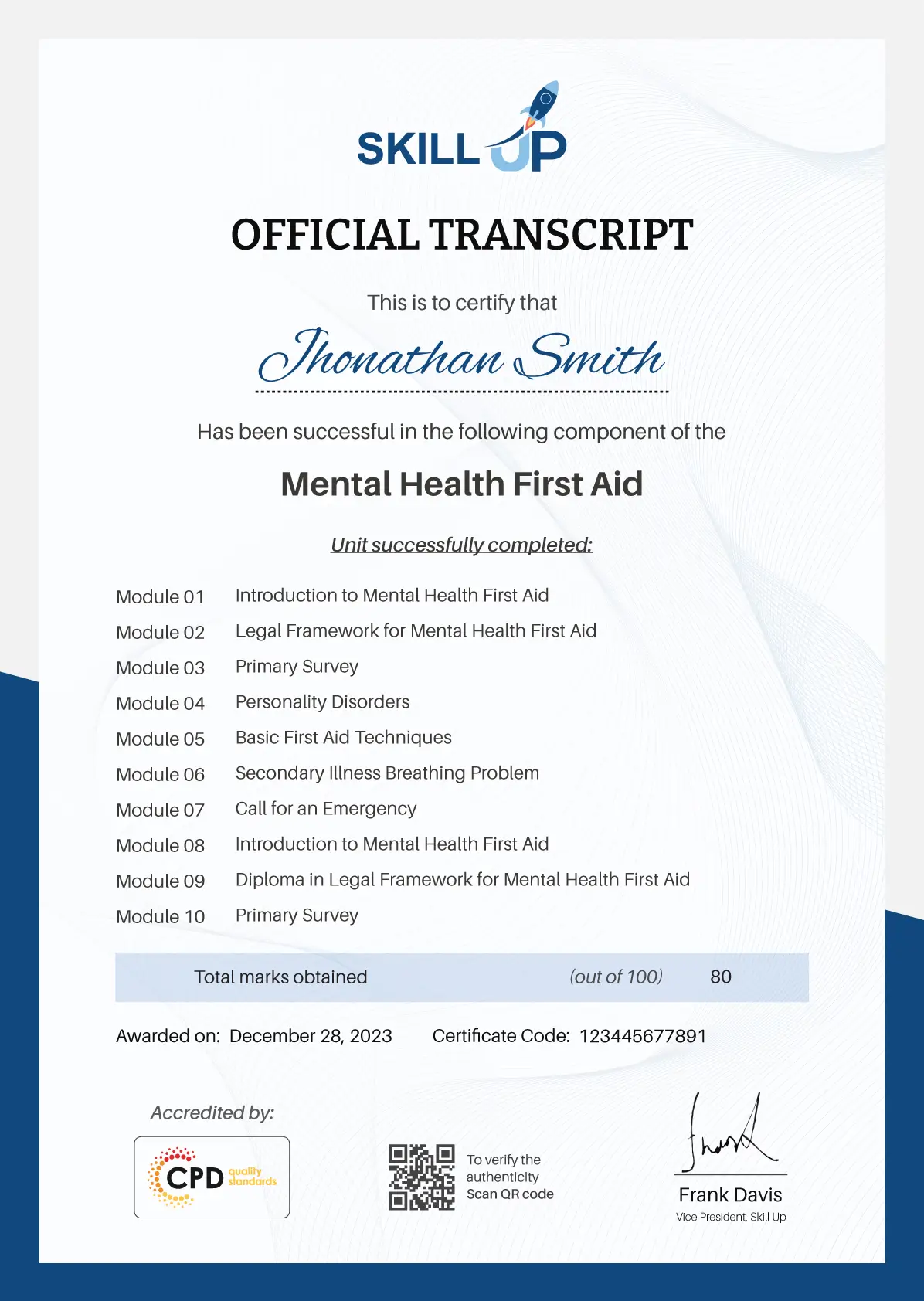
Earn Your Accredited Certificate with Transcript

Save 20% with the coupon code SKILL20

Show Your Certified Identity with a CPD-QS Certificate

Perfect for employers, clients, or academic verification.

Get a QLS Certificate to Showcase Your Skills

Detailed record of your completed modules and qualifications.

Frequently Asked Questions

The course is fully online and self-paced, allowing learners to study according to their own schedule.

No. The course is designed specifically for beginners and individuals new to photography.

Yes. Learners receive a recognised certificate after successfully completing the course.

Yes. The concepts apply to DSLR, mirrorless, compact, and many advanced digital cameras.

Yes. The training includes shutter speed, aperture, ISO, metering, exposure compensation, and manual shooting modes.

Introduction to Photography Reviews

Excellent

4.6 / 5
Based on 7 reviews

98%

Would Recommend

111

Certified Learners

100%

Authentic Reviews

A well-organised and highly valuable course with clear, easy-to-understand guidance throughout. I’ve gained knowledge that’s directly relevant to my day-to-day responsibilities. It’s given me greater confidence in applying these skills professionally.

Engaging content delivered in a straightforward and structured format. The examples were realistic and helped reinforce key concepts effectively. I would certainly recommend it to colleagues looking to upskill

Comprehensive, insightful and professionally presented from start to finish. The course materials were clear and well supported. A worthwhile investment for anyone serious about career development

Curriculum

  • play Photography for Beginners
    play 00:02:00
  • play Light and Light
    play 00:03:00
  • play Camera Types
    play 00:01:00