
Overview
Have you ever considered how one overlooked hazard could disrupt an entire laboratory operation? Whether you work as a laboratory technician, research assistant, quality control analyst, scientist, healthcare professional, or student, understanding laboratory safety is essential for protecting people, equipment, and research outcomes.
As laboratory environments become more regulated, employers increasingly value professionals who understand laboratory safety protocols and compliance requirements. Therefore, developing strong safety awareness can improve workplace performance and support career growth. This Laboratory Safety Course provides a clear and structured introduction to the principles of health and safety in laboratories.
Throughout the training, you will explore:
✓ Laboratory risk assessment training and laboratory hazard identification.
✓ Personal protective equipment (PPE) and safe working practices.
✓ Chemical safety, fire safety, and electrical safety procedures.
✓ Safety culture, compliance, and continuous improvement.
As a result, this laboratory safety training programme helps learners build confidence, improve workplace awareness, and strengthen their understanding of laboratory safety standards.
Course Description
This Laboratory Safety Course is designed to help learners understand the key safety responsibilities required in modern laboratory environments. Laboratories often contain chemicals, electrical equipment, specialised instruments, and potential hazards. Therefore, a strong understanding of safety procedures is essential for maintaining a secure and compliant workplace.
The course begins with an introduction to laboratory safety before moving into laboratory risk assessment training and laboratory hazard identification. You will learn how to recognise potential risks, assess their impact, and apply suitable control measures. In addition, the programme explores the correct use of personal protective equipment (PPE), helping learners understand how protective measures reduce workplace risks.
Furthermore, the course covers chemical safety, fire safety, electrical safety, and equipment safety. Each topic focuses on the procedures and precautions that support effective laboratory safety protocols and safer day-to-day operations. As safety standards continue to evolve, organisations increasingly seek individuals who understand laboratory compliance training and workplace safety expectations.
Finally, the course examines safety culture and continuous improvement. By understanding how safety awareness influences laboratory performance, learners can contribute more effectively to safe and responsible working environments. Whether you are seeking a laboratory safety course online UK, a laboratory health and safety course, or a recognised lab safety course to support professional development, this programme provides valuable knowledge that can support laboratory safety certification and long-term career growth.
Learning Outcome
- Understand the principles of laboratory safety and workplace compliance.
- Analyse hazards using laboratory hazard identification techniques.
- Develop effective risk control strategies through laboratory risk assessment training.
- Apply laboratory safety protocols in laboratory environments.
- Evaluate chemical, fire, and electrical safety procedures.
- Demonstrate the correct use of personal protective equipment (PPE).
- Implement continuous improvement practices that support a positive safety culture.
Who Is This Course For?
- Laboratory technicians seeking stronger laboratory safety training knowledge.
- Research assistants aiming to improve hazard awareness and risk management skills.
- Quality control professionals responsible for maintaining safe laboratory operations.
- Science graduates preparing for laboratory-based careers.
- Healthcare laboratory staff seeking additional compliance knowledge.
- Laboratory supervisors looking to strengthen workplace safety standards.
- Individuals searching for a laboratory safety course online UK to support professional development.
Certificate of Achievement
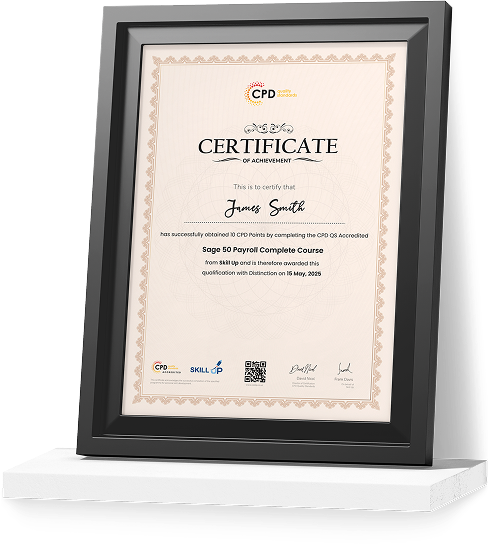
Earn Your Accredited Certificate with Transcript
Save 20% with the coupon code SKILL20
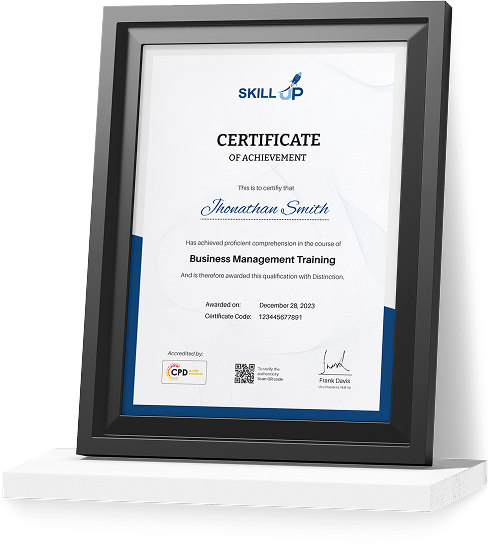
Show Your Certified Identity with a CPD-QS Certificate
Perfect for employers, clients, or academic verification.
Career Path
- Laboratory Technician (£22,000–£35,000) – Laboratory technicians perform testing, prepare samples, and maintain laboratory records. In addition, they help ensure laboratory safety protocols are followed during daily operations across healthcare, research, and industrial settings.
- Research Assistant (£24,000–£38,000) – Research assistants support scientific studies, collect data, and assist with laboratory investigations. Moreover, they contribute to safe working environments by following established laboratory safety procedures and risk controls.
- Quality Control Analyst (£25,000–£40,000) – Quality control analysts assess products, materials, and processes to ensure they meet required standards. As a result, organisations rely on them to maintain accuracy, consistency, and health and safety in laboratories.
- Laboratory Coordinator (£28,000–£42,000) – Laboratory coordinators oversee schedules, documentation, equipment usage, and operational processes. Furthermore, they play an important role in supporting compliance and maintaining organised laboratory environments.
- Health and Safety Officer (£30,000–£50,000) – Health and safety officers identify workplace risks, conduct inspections, and develop safety procedures. Therefore, they help organisations reduce incidents and strengthen workplace compliance.
- Compliance Officer (£32,000–£55,000) – Compliance officers monitor regulatory requirements and internal standards. They also support audits, review procedures, and help laboratories maintain legal and operational compliance.
- Laboratory Manager (£35,000–£60,000+) – Laboratory managers lead teams, oversee resources, and drive continuous improvement initiatives. Consequently, they ensure laboratories operate efficiently while maintaining high standards of safety and performance.
Frequently Asked Questions
Laboratory safety refers to the procedures, equipment, and practices used to reduce risks and prevent accidents in laboratory environments. Effective laboratory safety protocols help protect staff, equipment, research data, and workplace compliance. Moreover, strong safety standards support productivity and health and safety in laboratories.
This Laboratory Safety Course covers laboratory hazard identification, laboratory risk assessment training, PPE requirements, chemical safety, fire safety, electrical safety, equipment safety, and safety culture development. As a result, learners gain the knowledge needed to support safer laboratory operations.
Common laboratory hazards include chemical exposure, fire risks, electrical dangers, unsafe equipment use, biological materials, and poor storage practices. Therefore, understanding laboratory hazard identification is essential for reducing workplace risks and improving safety awareness.
Yes. This laboratory health and safety course covers key compliance topics, including risk assessment, hazard control, safety procedures, and workplace responsibilities. In addition, learners develop a better understanding of laboratory safety protocols and regulatory expectations.
Yes. Upon successful completion, you will receive a certificate that demonstrates your commitment to laboratory safety training and professional development. Furthermore, a laboratory safety certification can strengthen your CV and support career progression in laboratory-related roles.
Yes. Employers increasingly seek professionals who understand laboratory safety, compliance, and risk management. Whether you are starting your career or looking to advance, this lab safety course can help strengthen your knowledge and improve your professional profile.
Laboratory Safety Reviews
Excellent
98%
Would Recommend129
Certified Learners100%
Authentic ReviewsExcellent course. The laboratory safety guidance was clear, practical, and easy to follow.
A very informative course that improved my understanding of laboratory hazards and compliance.
Well-structured content with useful examples. I feel much more confident about laboratory safety procedures.
Curriculum
-
Module 01: Introduction to Laboratory Safety
00:24:00
-
Module 02: Risk Assessment and Hazard Identification
00:24:00
-
Module 03: Personal Protective Equipment (PPE)
00:21:00
-
Module 04: Chemical Safety in Laboratory
00:18:00
-
Module 05: Fire Safety
00:18:00
-
Module 06: Electrical Safety
00:11:00
-
Module 07: Equipment and Instrument Safety
00:16:00
-
Module 08: Safety Culture and Continuous Improvement
00:16:00
-
Order Your Certificate

Offer Ends in
-
Duration:2 hours, 28 minutes
-
Access:1 Year
-
Units:9

7 Reviews

TAKE ALL COURSES FOR £99