Level 3 Diploma in Six Sigma & Lean Process
Level 3 Diploma in Six Sigma & Lean Process introduces learners to structured improvement systems designed to remove inefficiency and strengthen operations. Through modules exploring lean foundations, Toyota’s methods, continuous progress, and Six Sigma principles, this lean process course provides a clear pathway for those aiming to refine business outcomes. By the end, learners will not only know what is Six Sigma course but also understand how it integrates with lean models for better productivity. Whether in management or process-driven industries, this lean management course Level 3 opens opportunities to succeed.
Course Description
In today’s competitive landscape, organisations seek professionals who can shape efficiency and enhance workflows. The Level 3 Diploma in Six Sigma & Lean Process course online invites learners to explore tested strategies that reduce waste, minimise variation, and sustain progress. Covering concepts such as the Toyota Way, value creation, and customer-centred systems, this qualification responds to industry demand.
Throughout the journey, learners discover not only how long is the lean Six Sigma course but also how its structure leads to measurable transformation. Each module provides detailed insight into principles that allow enterprises to maintain agility. This lean process course makes it possible to connect operational goals with streamlined execution.
By completing the programme, participants will confidently approach different levels of lean Six Sigma certification, with this lean level 3 standing as a recognised step in the UK and beyond. Whether aspiring to work in operations, management, or consultancy, this level 3 diploma in Six Sigma & Lean Process course London strengthens prospects and sets learners apart in a rapidly changing business world.
Learning Outcome
- Apply lean principles to reduce waste, variation, and complexity in diverse operations.
- Evaluate methods from Toyota and TPS to structure sustainable improvement.
- Utilise Six Sigma tools to optimise workflows and customer satisfaction.
- Integrate continuous improvement approaches into organisational strategy.
- Analyse levels of lean Six Sigma certification pathways for professional growth.
Who Is This Course For?
- Individuals exploring lean Six Sigma courses UK for career advancement.
- Professionals pursuing a lean management course Level 3 for operational roles.
- Learners interested in what is Six Sigma course and its applications.
- Those aiming to complete a level 3 diploma in process technology or related fields.
- People searching for a recognised level 3 diploma in Six Sigma & Lean Process course London.
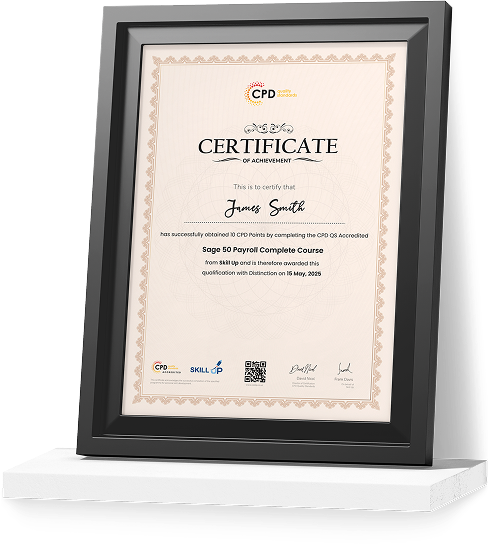
Certificate of Achievement
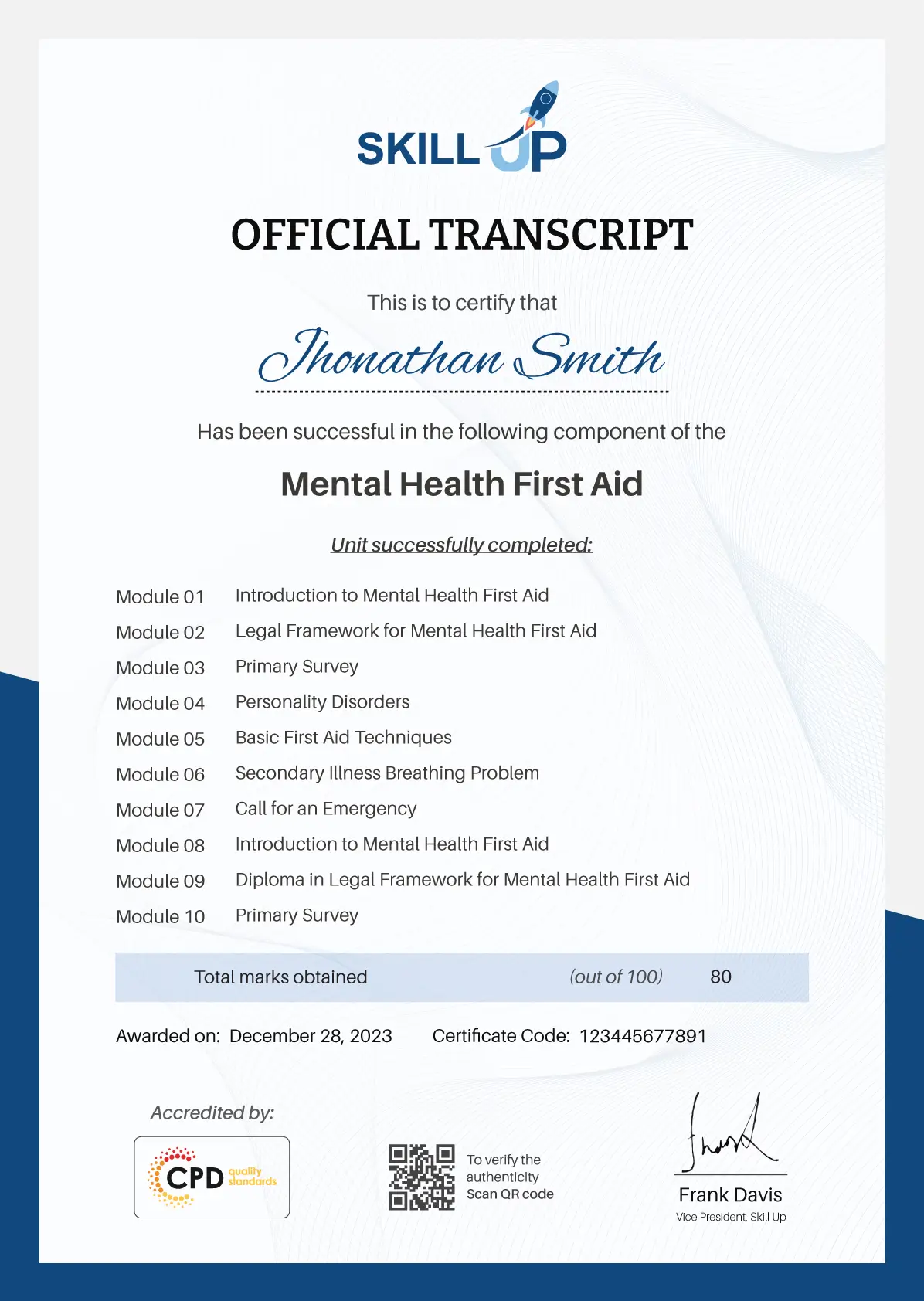
Earn Your Accredited Certificate with Transcript
Save 20% with the coupon code SKILL20
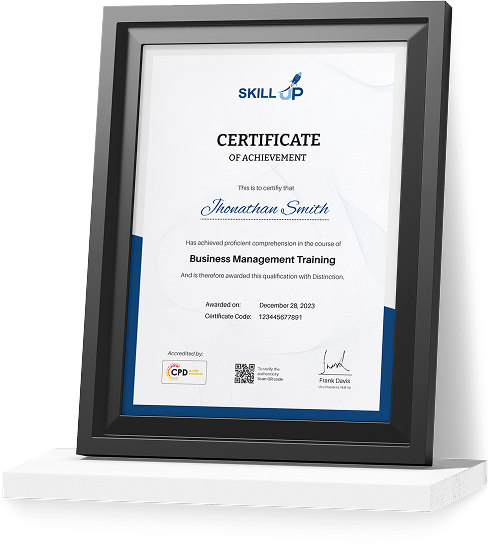
Show Your Certified Identity with a CPD-QS Certificate
Perfect for employers, clients, or academic verification.
Career Path
- Process Improvement Manager – Leads initiatives to refine workflows, delivering measurable operational gains. Average Salary: £45,000–£60,000 per year
- Lean Consultant – Advises organisations on waste reduction and efficiency alignment. Average Salary: £50,000–£70,000 per year
- Quality Assurance Manager – Implements Six Sigma tools to secure consistent standards. Average Salary: £42,000–£58,000 per year
- Operations Manager – Oversees production and service delivery, aligning with lean strategies. Average Salary: £48,000–£65,000 per year
- Business Analyst – Uses lean and Six Sigma models to support data-driven decisions. Average Salary: £40,000–£55,000 per year
- Continuous Improvement Lead – Drives innovation through structured improvement frameworks. Average Salary: £52,000–£72,000 per year
Frequestly Asked Questions
The Lean Six Sigma process is a structured approach that combines lean methodology with Six Sigma principles to reduce waste, improve efficiency, and ensure consistent quality. In the UK, this process is widely applied across industries such as manufacturing, healthcare, logistics, and service delivery. Lean focuses on streamlining operations by eliminating unnecessary steps, while Six Sigma uses data-driven tools to minimise errors. Together, they provide organisations with a powerful system for continuous improvement and customer satisfaction. Many professionals begin their journey through a Lean Six Sigma course online UK to strengthen career opportunities.
The 5 steps of Lean Six Sigma are built around the DMAIC framework:
Define – Identify project goals and customer needs.
1. Measure – Collect data to understand current performance.
2. Analyse – Detect root causes of problems or inefficiencies.
3. Improve – Develop and implement solutions for better outcomes.
4. Control – Monitor progress to ensure long-term success.
These stages guide UK businesses in delivering consistent results and higher productivity. Learners often cover these in detail during a Level 3 Diploma in Six Sigma & Lean Process course London.
The 6 points of Six Sigma, often linked to its core principles, include:
Focus on the customer.
1. Identify and understand processes.
2. Reduce variation and eliminate defects.
3. Base decisions on data.
4. Drive improvements continuously.
5. Involve and empower teams.
Each point builds a culture of quality, and UK professionals completing a lean management course Level 3 often use these principles to support business transformation.
Six Sigma and Lean principles complement one another in achieving operational excellence. Six Sigma emphasises precision, defect reduction, and data-driven decisions, while Lean principles focus on creating value by eliminating waste, complexity, and unnecessary steps. Together, they encourage efficiency, productivity, and stronger customer outcomes. For learners in the UK, studying a Lean Six Sigma course UK or a Level 3 diploma in process technology provides both theoretical and applied insight into these globally recognised methods.
The 7 rules of Six Sigma highlight the mindset required for quality-driven progress:
1. Prioritise the customer.
2. Base choices on evidence, not assumptions.
3. Understand workflows clearly.
4. Minimise variation.
5. Focus on collaboration.
6. Encourage ongoing development.
7. Strive for measurable impact.
These rules ensure that professionals trained in a Level 3 Diploma in Six Sigma & Lean Process course online can support UK businesses in building reliable, efficient systems.
The 7 wastes of Lean identify inefficiencies that add no value to the customer. They are:
1. Overproduction – producing more than required.
2. Waiting – idle time between processes.
3. Transport – unnecessary movement of goods.
4. Extra processing – performing redundant steps.
5. Inventory – holding excess stock.
6. Motion – unnecessary worker movement.
7. Defects – rework or corrections.
Reducing these wastes is central to a lean process course UK, enabling organisations to save costs and deliver services more effectively across sectors.
Curriculum
-
Module One – Getting Started
00:30:00
-
Module Two – Understanding Lean
01:00:00
-
Module Three – Liker’s Toyota Way
01:00:00
-
Module Four – The TPS House
01:00:00
-
Module Five – The Five Principles of Lean Business
01:00:00
-
Module Six – The First Improvement Concept (Value)
01:00:00
-
Module Seven – The Second Improvement Concept (Waste)
01:00:00
-
Module Eight – The Third Improvement Concept (Variation)
01:00:00
-
Module Nine – The Fourth Improvement Concept (Complexity)
01:00:00
-
Module Ten – The Fifth Improvement Concept (Continuous Improvement)
01:00:00
-
Module Eleven – The Improvement Toolkit
00:30:00
-
Module Twelve – Wrapping Up
01:30:00
-
Six Sigma Basics
00:15:00
-
Improvement Tools
00:30:00
-
Management Tools for Generating Ideas
00:15:00
-
Continuous Improvement
00:30:00
-
Customer Relationships
00:30:00
-
Level 3 Diploma in Six Sigma & Lean Process- Activities
-
Recommended Reading : Level 3 Diploma in Six Sigma & Lean Process
-
Mock Exam- Level 3 Diploma in Six Sigma & Lean Process
00:20:00
-
Final Exam- Level 3 Diploma in Six Sigma & Lean Process
00:20:00
-
Get Your CPD Certificate
00:01:00
Offer Ends in
-
Duration:14 hours, 11 minutes
-
Access:1 Year
-
Units:22

1 Reviews
All
Courses for £49