
.png) 6 Reviews
6 Reviews 16 Students
 Overview
 Overview
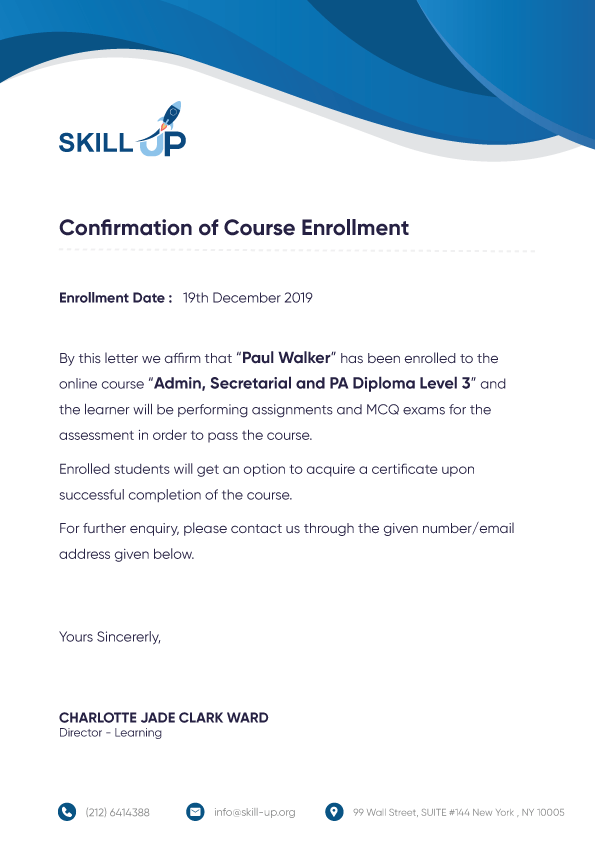
Free Enrolment Letter Included

Course Description
Learning Outcome
 Learning Outcome
 Course media
Who Is This Course For?
 Who Is This Course For?
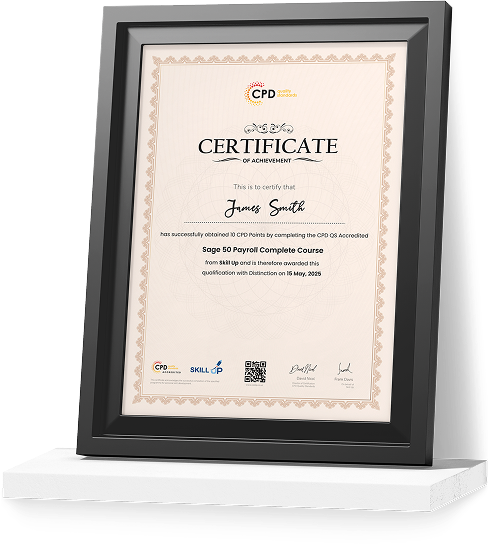
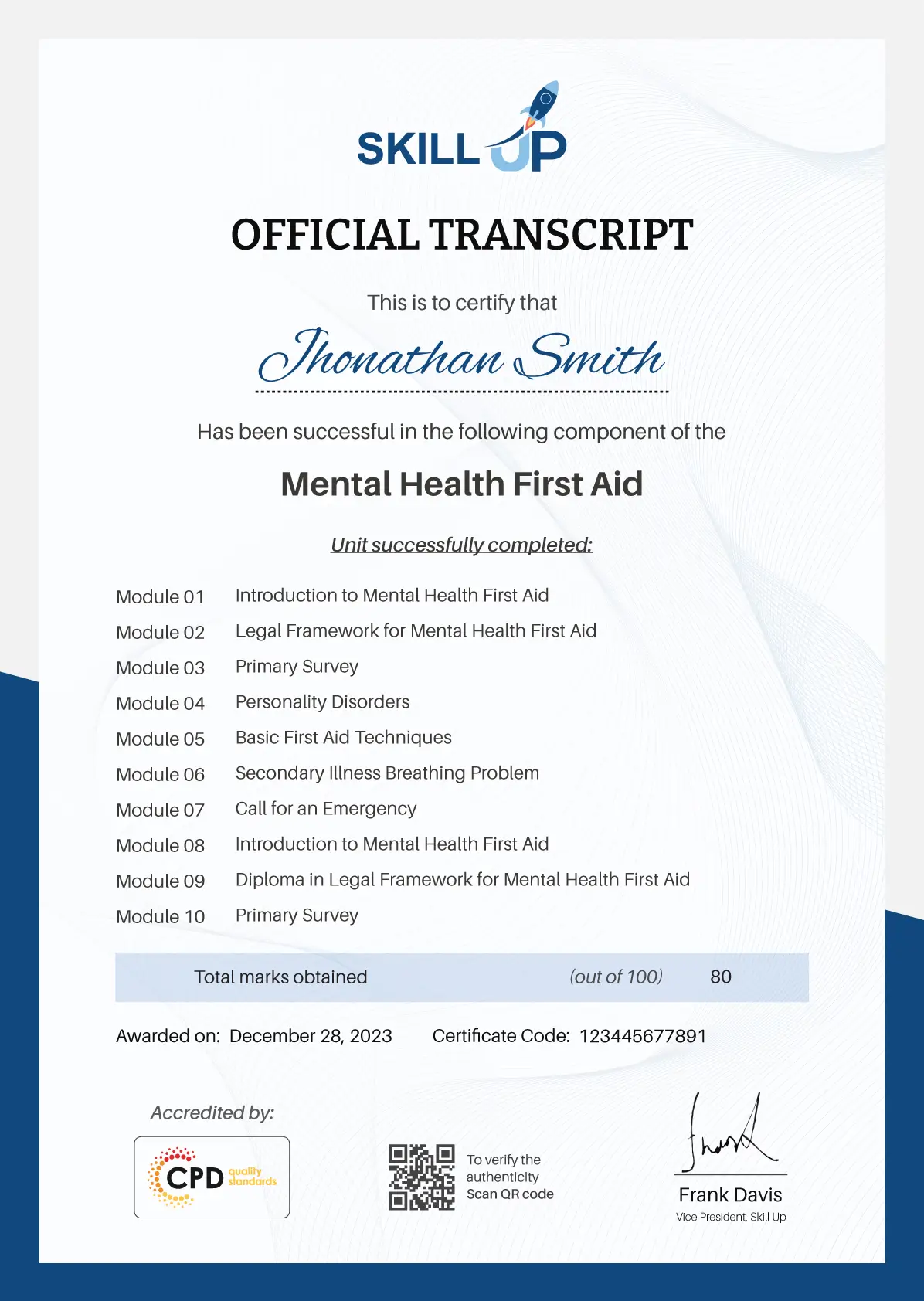
Certificate of Achievement
Earn Your Accredited Certificate with Transcript
Save 20% with the coupon code SKILL20
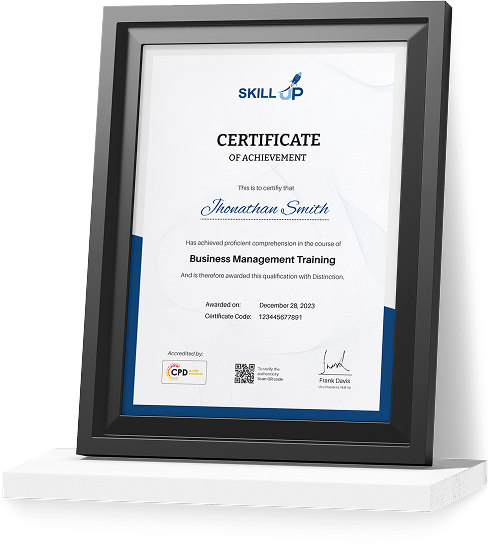
Show Your Certified Identity with a CPD-QS Certificate
Perfect for employers, clients, or academic verification.
Career Path
 Career Path
 Frequestly Asked Questions
Spanish Language Masterclass Reviews

A well-organised and highly valuable course with clear, easy-to-understand guidance throughout. I’ve gained knowledge that’s directly relevant to my day-to-day responsibilities. It’s given me greater confidence in applying these skills professionally.

Engaging content delivered in a straightforward and structured format. The examples were realistic and helped reinforce key concepts effectively. I would certainly recommend it to colleagues looking to upskill

Comprehensive, insightful and professionally presented from start to finish. The course materials were clear and well supported. A worthwhile investment for anyone serious about career development
Curriculum
-
Spanish Course: Find out all about this course in less than two minutes
00:02:00
-
Spanish Course: The Alphabet. Pronunciation. Part 1
00:18:00
-
Spanish Course: The Alphabet. Pronunciation. Part 2
00:17:00
-
Spanish Course: Personal pronouns. Gender and number. Ser. Part 1
00:10:00
-
Spanish Course: Personal pronouns. Gender and number. Ser. Part 2.
00:14:00
-
Learn Spanish- Present tense. The articles. Use of the verb Tener 1
00:21:00
-
Use of the verb Tener 2. More numbers. Age. Vocabulary about clas
00:14:00
-
Learn Spanish- The hour. The times of day. Calendar. Frequency. P
00:11:00
-
Learn Spanish- The question and exclamation. Recap. Part 1
00:19:00
-
Learn Spanish- The question and exclamation. Recap. Part 2.
00:15:00

 00:02:00
 -
Learn Spanish- The weather. Months and seasons. Hace and dentr
00:11:00
-
Learn Spanish- Present tense irregular. Vowel exchange. Part 1.
00:13:00
-
Learn Spanish- Present tense irregular. Vowel exchange. Part 2.
00:14:00
-
Learn Spanish- Present tense irregular. Irregular first person. Part 1.
00:11:00
-
Learn Spanish- Present tense irregular. Irregular first person. Part 2.
00:12:00
-
Learn Spanish- The verb Haber and the past perfect. Part 1.
00:15:00
-
Learn Spanish- The verb Haber and the past perfect. Part 2.
00:16:00
-
Learn Spanish- The verb Haber and the past perfect. Part 3.
00:09:00
-
Learn Spanish- Prepositions. Part 1.
00:14:00
-
Learn Spanish- Prepositions. Part 2.
00:17:00
-
Learn Spanish- Numbers. Recap. Part 1.
00:13:00
-
Learn Spanish- Numbers. Recap. Part 2.
00:13:00
-
Learn Spanish- Reflexive verbs. Reciprocal verbs. Part 1.
00:11:00
-
Learn Spanish- Reflexive verbs. Reciprocal verbs. Part 2.
00:11:00
-
Learn Spanish- Personal hygiene and clothing. Part 1.
00:09:00
-
Learn Spanish- Personal hygiene and clothing. Part 2
00:12:00
-
Learn Spanish- Direct and Indirect Object Pronouns.
00:20:00
-
Learn Spanish- ‘To like’ and similar verbs. Indirect Object Verbs
00:27:00
-
Learn Spanish- ‘To like’ and similar verbs. Vocabulary
00:16:00
-
Learn Spanish- Present perfect tense
00:23:00
-
Learn Spanish- Present continuous
00:22:00
-
Learn Spanish- The near or immediate future
00:14:00
-
Learn Spanish- Shopping
00:26:00
-
Learn Spanish- Present, Past, Future
00:20:00
-
Learn Spanish- Your house
00:31:00
-
Learn Spanish- Comparative
00:17:00
-
Learn Spanish- Superlatives
00:19:00
-
Learn Spanish- Demonstrative
00:24:00
-
Learn Spanish- Possesive
00:23:00
-
Learn Spanish- Basic conjunctions
00:22:00
-
Learn Spanish- Past Simple or Indefinite
00:39:00
-
Learn Spanish- The accent
00:43:00
-
Learn Spanish- The imperfect tense and the description
00:22:00
-
Learn Spanish- Of the future
00:19:00
-
Order Your Certificate

Offer Ends in

 TAKE ALL COURSES FOR £99

-
Duration:12 hours, 49 minutes
-
Access:1 Year
-
Units:45