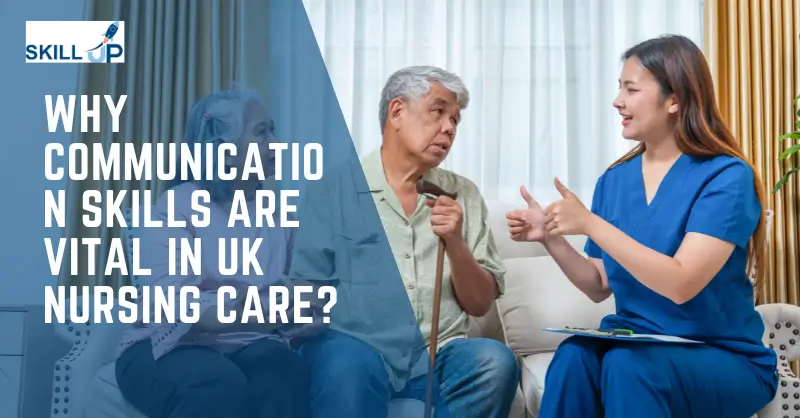
Communication sits at the heart of nursing care in the UK. Every day, nurses speak with patients, families, doctors, carers, and wider health and social care teams. However, communication in nursing is not just about talking. It is about listening, understanding, recording, and responding in a way that keeps patients safe and supported.
In UK nursing care settings, from busy NHS hospitals to quiet care homes, communication can make the difference between effective treatment and serious risk. Moreover, when communication fails, patients may feel ignored, misunderstood, or unsafe. Therefore, developing strong nursing and communication skills is not optional—it is essential.
This article explores why communication skills are vital in UK nursing care, how they affect patient outcomes, and how nurses can improve their communication in real-world settings. Along the way, we will look at practical examples, UK-specific guidance, and clear strategies that work on the ward, in the community, and beyond.
What Is Communication in Nursing?
Communication in nursing refers to how nurses exchange information with patients and others involved in care. This includes speaking, listening, observing, writing, and using digital systems. However, effective communication within nursing goes far beyond passing on information.
Communication in Everyday Nursing Practice
In practice, nursing communication includes explaining a diagnosis, reassuring an anxious patient, documenting care notes, and handing over information to the next shift. In addition, it involves recognising non-verbal cues, such as pain, fear, or confusion.
For example, a nurse working on a medical ward in Manchester may notice that an older patient becomes withdrawn during medication rounds. Although the patient says little, their body language suggests discomfort. Through careful observation and gentle questioning, the nurse uncovers unmanaged pain. This is communication important in nursing at its most practical level.
Communication in UK Nursing Care Settings
UK nursing care takes place across many environments. These include NHS hospitals, GP surgeries, mental health units, community clinics, and residential care homes. Each setting brings different communication challenges.
For instance, community nurses often work alone in patients’ homes. Therefore, they must communicate clearly while building trust quickly. In contrast, hospital nurses must share information rapidly with multidisciplinary teams, often under pressure. In both cases, communication and nursing work hand in hand to deliver safe care.
Why Is Communication Important in Nursing?
Many people ask, why is communication important in nursing? The answer is simple but powerful. Communication supports patient safety, emotional well-being, and professional accountability. Moreover, it underpins every decision a nurse makes.
Communication as a Core Nursing Skill
The Nursing and Midwifery Council (NMC) places communication at the centre of professional practice. The NMC Code requires nurses to communicate clearly, respectfully, and effectively at all times. Therefore, communication is not a “soft skill”; it is a clinical skill.
In addition, effective communication nurses demonstrate professionalism, confidence, and competence. This directly affects how patients and colleagues perceive nursing care.
Importance of Communication in Patient Care
The importance of communication in patient care cannot be overstated. Patients who understand their condition are more likely to follow treatment plans. Moreover, they feel safer when nurses explain what is happening and why.
For example, a patient admitted to an NHS ward for surgery may feel anxious and overwhelmed. However, when a nurse explains the procedure step by step and answers questions patiently, the patient’s anxiety reduces. As a result, recovery often improves. This clearly shows why communication is important in healthcare.
Essential Nurse Communication Skills in the UK
Nursing communication involves several key skill areas. Each plays a unique role in delivering high-quality UK nursing care.
Verbal Communication Skills for Nurses
Verbal communication includes speaking clearly, using appropriate language, and adjusting tone. Nurses must avoid medical jargon, especially when speaking to patients and families.
For instance, instead of saying “hypertension,” a nurse may say “high blood pressure.” Therefore, patients can understand and engage with their care. This approach supports effective communication within nursing and improves trust.
Non-Verbal Communication in Nursing
Non-verbal communication includes eye contact, facial expressions, posture, and gestures. In many cases, non-verbal cues speak louder than words.
A nurse who maintains eye contact and nods while listening shows respect and attention. However, crossed arms or rushing movements may suggest disinterest. Therefore, nurses must remain aware of their body language at all times.
Written Communication in Nursing Care
Written communication includes care plans, observation charts, incident reports, and discharge summaries. Accurate documentation supports continuity of care and protects both patients and nurses.
In the UK, poor documentation is a common issue highlighted in NHS incident reviews. Therefore, clear written nursing communication is essential for patient safety and legal accountability.
Digital Communication and Teamwork
Modern nursing relies heavily on digital systems. Electronic patient records, digital handovers, and secure messaging tools are now standard across UK healthcare.
However, technology only works when information is entered accurately. Therefore, nurses must combine technical skills with clear communication for nursing practice to remain effective.
10 Importance Of Communication In Nursing

1. Helps To Understand The Patient’s Condition Immediately
In a clinical setting, time is often of the essence. When a nurse uses nurse effective communication skills, they can quickly gather a patient’s history. For example, if a patient arrives at an NHS Urgent Treatment Centre, a nurse must ask the right questions to spot a deteriorating condition like sepsis. Because they communicate effectively, the treatment starts sooner, which leads to better outcomes.
2. Ensures Emotional Understanding Of A Patient
Being in a hospital can be terrifying. Communication and nursing go hand-in-hand to provide emotional “first aid.” By using active listening, you show the patient that their fears are valid. Moreover, when a patient feels understood, their cortisol levels drop, which can actually help in the physical healing process. This is a core reason why is communication is important in nursing.
3. Advocates For Patients
Nurses are often the bridge between the patient and the doctors. Sometimes, a patient might feel too intimidated to tell a consultant that they are in pain. As a nurse, you use your nursing and communication skills to speak up for them. You ensure that the patient’s wishes are respected during multidisciplinary team (MDT) meetings.
4. Tracks Change In Care
UK healthcare relies on continuity. If a nurse on the night shift notices a slight change in a patient’s breathing, they must record this clearly. Communicating effectively in nursing ensures that the day shift knows exactly what happened. Without this, small changes could be missed, leading to a “break in the chain” of care.
5. Ensures Patient Safety
According to various NHS safety reports, a high percentage of clinical errors are actually communication errors. Effective communication nurses use tools like SBAR (Situation, Background, Assessment, Recommendation) to prevent mistakes. Consequently, the importance of communication in patient care cannot be overstated when it comes to preventing medication errors or falls.
6. Enhance Patients’ Satisfaction
The “Friends and Family Test” is a major metric in the UK. Patients usually rate their care based on how they were treated as a person, not just a medical case. Why communication is important in health and social care is evident here; if you explain a procedure clearly, the patient feels respected and satisfied.
7. Promotes Professional Image
When you speak clearly and listen intently, you uphold the reputation of the profession. Patients and their families trust nurses who appear confident and competent. Therefore, communication for nursing is a tool for building public trust in the entire healthcare system.
8. Establishes A Comprehensive Treatment Record
In the UK, the legal standard is: “If it isn’t written down, it didn’t happen.” Good nursing communication involves keeping meticulous records. These records are vital if a case is ever reviewed by the NMC or a court of law.
9. Reduces Workplace Stress
Nursing is a tough job. However, when a team communicates well, the burden feels lighter. Communication within nursing teams prevents “silo working” and ensures everyone knows their role. This clarity reduces the friction that leads to burnout and high staff turnover in the UK.
10. Support Career Growth
If you want to move from a Band 5 to a Band 6 or 7 role, you must be an expert communicator. Leadership is 90% communication. By demonstrating effective communication within nursing, you show that you are ready for the responsibility of managing a ward or a specialist clinic.
Importance of Communication in Health and Social Care (UK Context)
Communication does not stop at nursing. It extends across the wider health and social care system.
Communication Between Health and Social Care Teams
In the UK, integrated care systems rely on clear communication between hospitals, GPs, social workers, and carers.
For example, when a patient is discharged from the hospital, nurses must communicate care needs clearly to community teams. Poor communication at this stage often leads to readmission.
Why Communication Skills Matter Across Healthcare
The importance of communication in health and social care is recognised by NHS England and the Care Quality Commission (CQC). Inspectors regularly assess how well staff communicate with patients.
Therefore, communication is central to quality care across all services.
Effects of Poor Communication in Nursing
To understand the value, we must also see the cost. Poor communication in healthcare has severe consequences.
Impact on Patient Safety: Errors, Misdiagnosis & Harm
Consider a rushed handover where a patient’s new allergy isn’t mentioned. The next nurse administers that drug, causing a reaction. Such scenarios, sadly, happen. Reports from NHS England show that communication breakdowns contribute significantly to serious incidents. This is why communication is important in nursing, a constant safety refrain.
Impact on Patient Experience: Distrust, Anxiety & Complaints
A patient left in the dark about their test results will become anxious. If their questions are brushed aside, they may feel helpless. This often leads to formal complaints through PALS (Patient Advice and Liaison Service). Poor communication directly damages the therapeutic relationship.
Impact on Staff: Burnout, Low Morale & Professional Conduct
Frustration from miscommunication is a major stressor. It can create a toxic atmosphere, leading to low morale and high staff turnover. In severe cases, persistent failures can become a fitness-to-practise issue with the NMC. Protecting your wellbeing means prioritising clear communication.
Common Communication Barriers in Nursing
Even the best nurses face obstacles. Understanding why are communication skills are important in health and social care means knowing how to break down these walls.
1. Language Barriers
The UK is a beautifully diverse country. However, you will often meet patients whose first language is not English. In these cases, never rely on a family member to translate clinical info. Instead, use professional NHS interpretation services. This ensures that the importance of communication in healthcare is maintained with 100% accuracy.
2. Cultural Barriers
Different cultures have different views on eye contact, touch, and personal space. A great nurse learns to be culturally competent. For instance, in some cultures, it may be disrespectful to look an older person directly in the eye for too long. Being aware of this is a key part of communication and nursing.
3. Emotional Barriers
When a patient is in pain or receives bad news, they might lash out or shut down. This is a natural defence mechanism. To overcome this, remain calm and patient. Do not take their anger personally. Remember, communication is important in nursing, which means staying professional even when the environment is charged with emotion.
How to Overcome Communication Barriers in Nursing
Although barriers exist, they can be overcome with the right strategies.
Use Clear and Simple Language
Plain English helps patients understand their care. Avoiding jargon improves communication for nursing practice.
Develop Cultural Awareness
Cultural training helps nurses communicate respectfully. This supports equality and inclusion within UK nursing care.
Practise Active Listening
Active listening means giving full attention and responding thoughtfully. This builds trust and reduces misunderstandings.
Tips for Improving Your Communication Skills as a Nurse
Improving communication is an ongoing process.
Engage in Professional Development
Many NHS trusts offer communication training. CPD courses also support skill development and revalidation.
Learn from Feedback
Feedback from patients and colleagues provides valuable insight. Reflecting on communication experiences helps nurses grow.
Communication in Mental Health Nursing
Communication in mental health nursing requires a calm, thoughtful, and patient-centred approach. Unlike many physical health settings, mental health nurses often support individuals experiencing distress, confusion, or emotional crisis. Therefore, how something is said can be just as important as what is said. In UK nursing care, effective communication helps build trust, reduce risk, and support recovery.
De-escalation Through Communication
De-escalation is a key communication skill in mental health nursing. It focuses on calming a situation before it becomes unsafe. Rather than using authority or confrontation, nurses rely on clear language, controlled tone, and respectful body language.
For example, in an NHS mental health ward, a patient may become agitated due to sensory overload. Instead of giving rapid instructions, a nurse may speak slowly, acknowledge the patient’s feelings, and offer simple choices. As a result, the patient feels heard, and the situation often settles without restraint. This shows why communication is important in healthcare, particularly in mental health settings.
Active Listening in Mental Health Care
Active listening is central to effective communication in nursing, especially in mental health services. It involves giving full attention, avoiding interruptions, and reflecting back what the patient has shared. Moreover, active listening helps patients feel valued rather than judged.
For instance, a community mental health nurse visiting a patient at home may notice long pauses or emotional cues. By allowing silence and responding with empathy, the nurse creates a safe space for the patient to open up. Therefore, communication in nursing becomes a tool for emotional support as well as clinical assessment.
Trauma-Informed Communication
Many people receiving mental health care in the UK have experienced trauma. Trauma-informed care recognises this and avoids communication that may feel threatening or dismissive. Instead, it promotes choice, control, and safety.
For example, explaining procedures clearly before touching a patient or entering personal space can prevent distress. In addition, asking permission and offering reassurance supports dignity and trust. Trauma-informed communication strengthens the therapeutic relationship and reflects best practice in UK nursing care.

Tips for Demonstrating Excellent Communication Skills in Nursing
Strong communication skills are often shown through small, consistent actions rather than big gestures. In busy UK nursing care settings, these simple habits can significantly improve patient experience and safety.
i) Start by Introducing Yourself
Always begin by introducing your name and role. This may seem basic; however, it helps patients feel at ease and respected. For example, saying, “Hello, I’m Sarah, one of the nurses looking after you today,” immediately builds trust. Moreover, clear introductions are especially important for older patients or those who feel anxious in unfamiliar environments.
ii) Avoid Distractions
Effective communication in nursing requires full attention. Therefore, avoid checking phones, looking at screens, or multitasking while speaking with patients. Even brief distractions can make patients feel ignored. In addition, focused attention helps nurses pick up on subtle verbal and non-verbal cues that may signal discomfort or concern.
iii) Choose a Suitable Environment
Where possible, choose a quiet and private space for conversations. Sensitive topics should never be discussed in busy corridors or shared rooms. Moreover, a calm environment helps patients feel safe speaking openly, supporting effective communication within nursing practice.
iv) Be Patient
Patients may need time to express themselves, especially if they are in pain, distressed, or confused. Therefore, allow pauses and avoid interrupting. Patience shows respect and empathy, which are central to communication, important in nursing and patient-centred care.
v) Use a Gentle Tone
Tone of voice can be just as important as words. A calm, gentle tone reassures patients and reduces anxiety. In contrast, a rushed or sharp tone may cause distress, even if the information is correct. Therefore, maintaining a warm and steady tone supports trust and emotional safety in UK nursing care.
Common Communication Mistakes to Avoid in Nursing
Even experienced nurses can fall into communication habits that affect patient understanding and safety. However, being aware of common mistakes helps improve communication in nursing and strengthens patient-centred care across UK nursing care settings.
Using Jargon or Abbreviations Patients Cannot Understand
Medical jargon and abbreviations can confuse patients. For example, terms commonly used during NHS handovers may not be clear to someone without a healthcare background. Therefore, nurses should use plain English when speaking with patients and families. Explaining conditions in simple terms supports understanding and improves trust. This approach reflects the importance of communication in patient care and reduces anxiety.
Interrupting Patients or Rushing Conversations
Time pressure is a reality in UK nursing care. However, interrupting patients or rushing conversations can cause important details to be missed. Patients may feel dismissed or unheard, which affects their willingness to share concerns. By allowing patients time to speak, nurses gather more accurate information and strengthen communication within nursing practice.
Failing to Confirm Patient Understanding
Clear communication does not end with giving information. Nurses must also check that patients understand what has been said. Asking patients to repeat key points or confirm instructions helps prevent misunderstandings. In addition, this step supports patient safety and highlights why communication is important in healthcare.
Final Words: Why Communication Is the Heart of UK Nursing Care
Communication is the foundation of safe, compassionate, and effective nursing. Without it, even the best clinical skills fall short. However, when nurses communicate well, patients feel heard, respected, and protected.
In UK nursing care, communication supports patient safety, professional growth, and system-wide improvement. Therefore, investing in nursing communication is not just good practice—it is essential practice.
If you work in nursing or healthcare, now is the time to reflect on your communication skills. Small changes can lead to meaningful improvements for patients and teams alike.
Get valuable training, UK-focused support, and the skills employers want. No experience needed.
Join 50+ graduates who landed tech jobs with our industry-focused training programme designed for beginners.
Explore Now - Our Job Ready ProgrammeFrequently Asked Questions (FAQs)
Why is communication important in nursing care in the UK?
Because it supports patient safety, trust, and effective treatment.
What communication skills are required by the NMC?
Clear, respectful, and accurate communication in all forms.
How does effective communication improve patient safety?
It reduces errors, improves understanding, and supports timely action.
What are the common communication challenges faced by UK nurses?
Language barriers, time pressure, and emotional distress.
How can nurses improve communication with older patients?
By speaking clearly, allowing time, and using supportive non-verbal cues.





All Courses
Personal Development
Employability
Career Bundle
Management
Free QLS Certificate
IT & Software
Business
Technology
Health & Care
Quality Licence Scheme Endorsed Courses
Health & Safety
Training
Marketing
Job Ready Programme
Design
Accounting & Finance
Health and Fitness
Healthcare and Medical
Animal Care
Psychology
Microsoft Office
Teach & Education
I.T
HR and Leadership
Counselling and Therapy
Teaching & Child Care
Health and Social Care
Electrical & Electronics
Law
Food Nutrition
programming
Administration & Office Skills
Education
Language
Engineering
Cooking & Baking
Law & Criminology
Accounting
QLS Bundle
Office Skills
Awareness
Photography
Finance
Lifestyle
Diet and Nutrition
Makeup & Beauty
Therapy
Sports
First Aid
Accounting & Bookkeeping
Mathematics
Excel
Web Design
Top Rated Course
Diet and Fitness
Counselling
Agriculture
Networking & Design
General Education
Biotechnology
Audit
Economics
Lifestyle & Recreational
Adobe Photoshop
Travel and Tourism
Categories

Awarded By